No products in the cart.
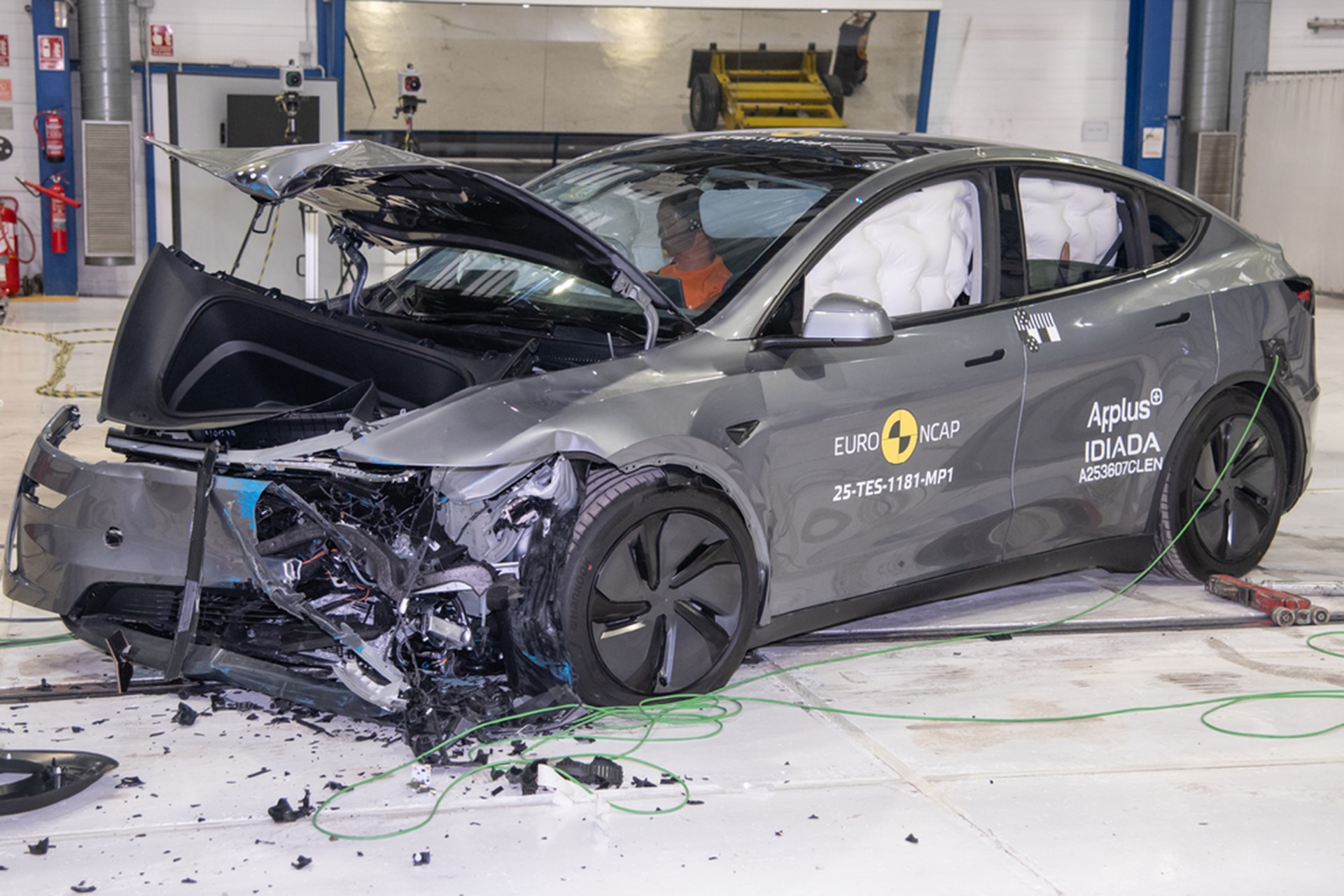
A looming hearing in Washington could shape the future of mandatory safety tech in the United States, with a Senate committee suggesting government-required systems are pushing new-car prices out of reach of most Americans.
The US Senate Committee on Commerce, Science, and Transportation will convene on 14 January 2026 to examine new-vehicle affordability. According to the committee, the average US new-car price has risen from US$20,356 in 2000 to more than US$50,000 today. Adjusted for inflation, that increase is closer to 30 per cent, but that’s still enough to leave price-sensitive buyers in the used-car market.
In that 25 years, cars now come with many more comfort and convenience features too. Many infotainment features that are now common place were pipe dreams in 2000 while the standard specification of an entry model compact SUV would rival that, and in some instances be better than, a high-end luxury model from 2000. So safety tech alone isn’t to blame, with marketing and consumer wants also guilty.
Committee chair Senator Ted Cruz argues that prices have been “driven up by onerous government-mandated technologies and radical environmental regulations”. The latter, he says, has already been addressed by the One Big Beautiful Bill Act, which effectively gutted America’s fuel-economy rules and axed the US$7500 EV rebate in late 2025.
Analysts point out that EVs, typically pricier than equivalent petrol models, helped push the average transaction price above US$50,000 for the first time in September. Kelley Blue Book noted buyers “rushed to finalise deals” before the EV tax credit expired, skewing the market towards higher-end models.
Behind the political rhetoric, the upcoming hearing has high stakes. Congress must soon reauthorise a US$300b infrastructure bill that also funds the National Highway Traffic Safety Administration (NHTSA) — the agency pushing to make autonomous emergency braking (AEB) mandatory by 2029. That proposal has faced resistance from some automakers despite a major study showing AEB cuts rear-end crashes by 49 per cent.
While the US debates rolling back safety tech, Europe is exploring a new E-Car category that would reduce regulatory burden to make tiny, affordable city cars financially viable again. Peugeot says it would re-enter the A-segment if lawmakers approve the framework, hinting at a possible successor to the 108.
Read more – EU considers tiny and affordable car class
Subscribe
2025 © AUTOCAR 2024 LIMITED. ALL RIGHTS RESERVED.
2025 © AUTOCAR 2024 LIMITED. ALL RIGHTS RESERVED.
Related Article