Cargando…
Cargando…
Cargando…
Cargando…
Cargando…
Cargando…
Cargando…
Cargando…
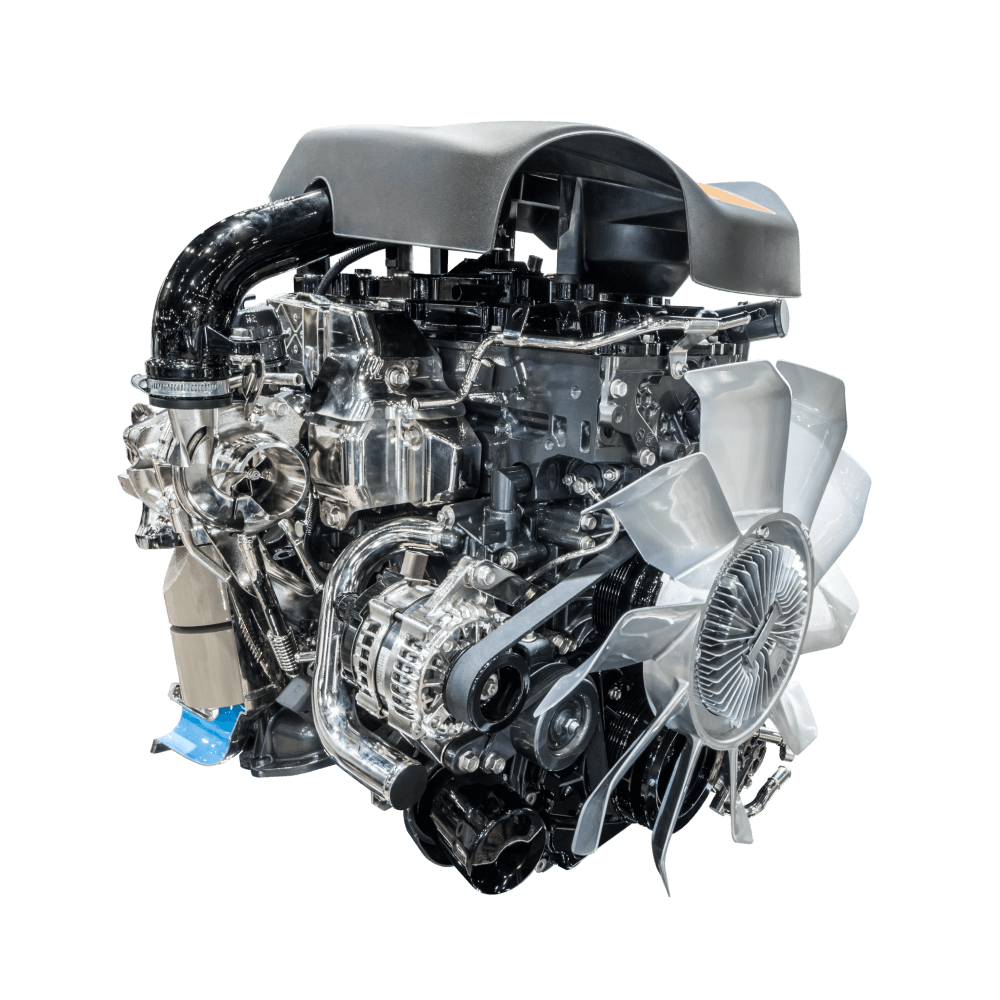
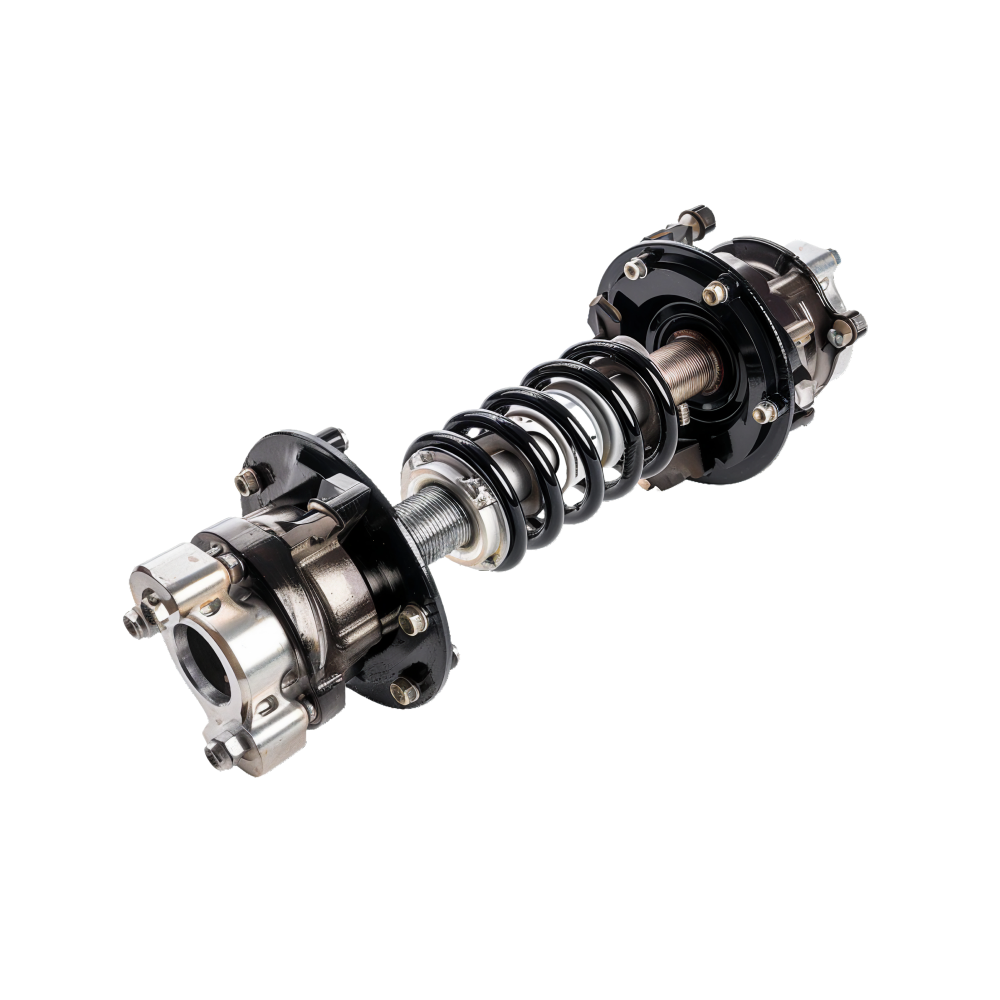
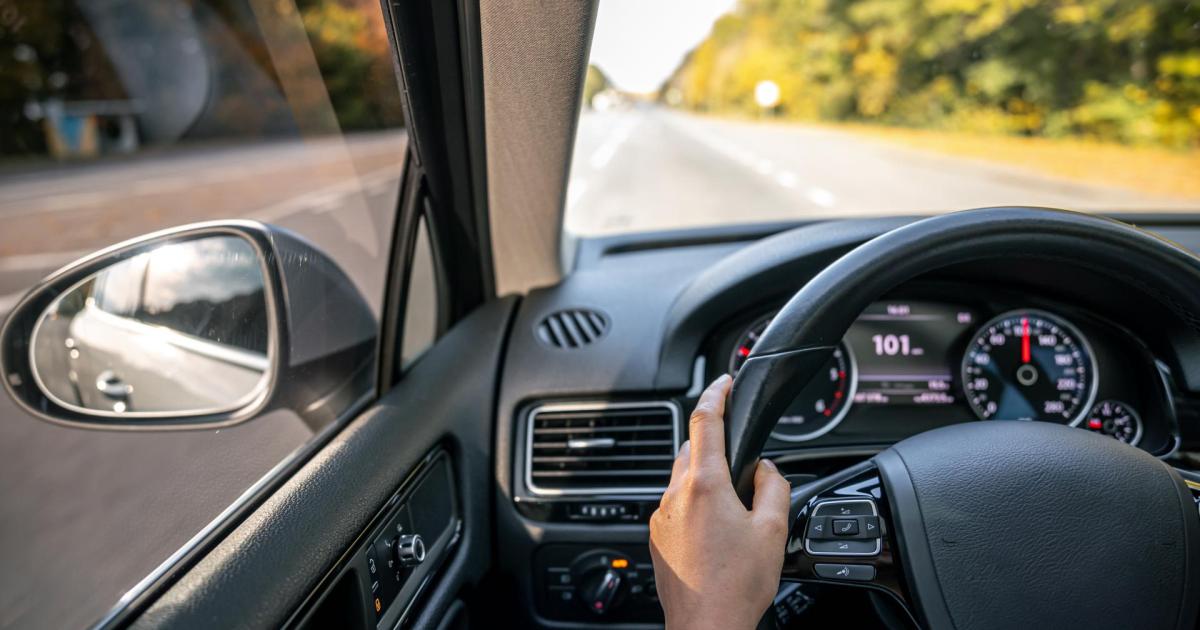
Euro 7 rules come into effect for new cars and vans from 29 November 2026, with existing vehicles granted a 12-month grace period | Photo: Freepik
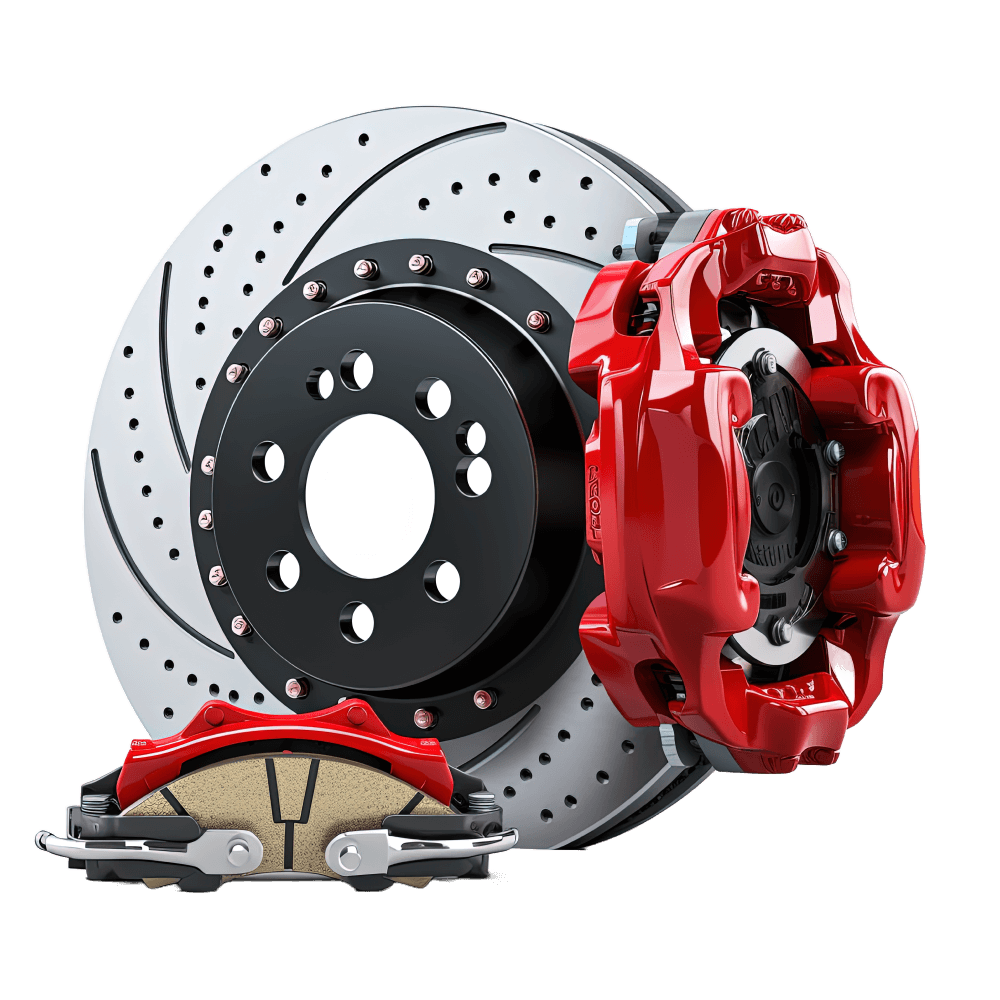
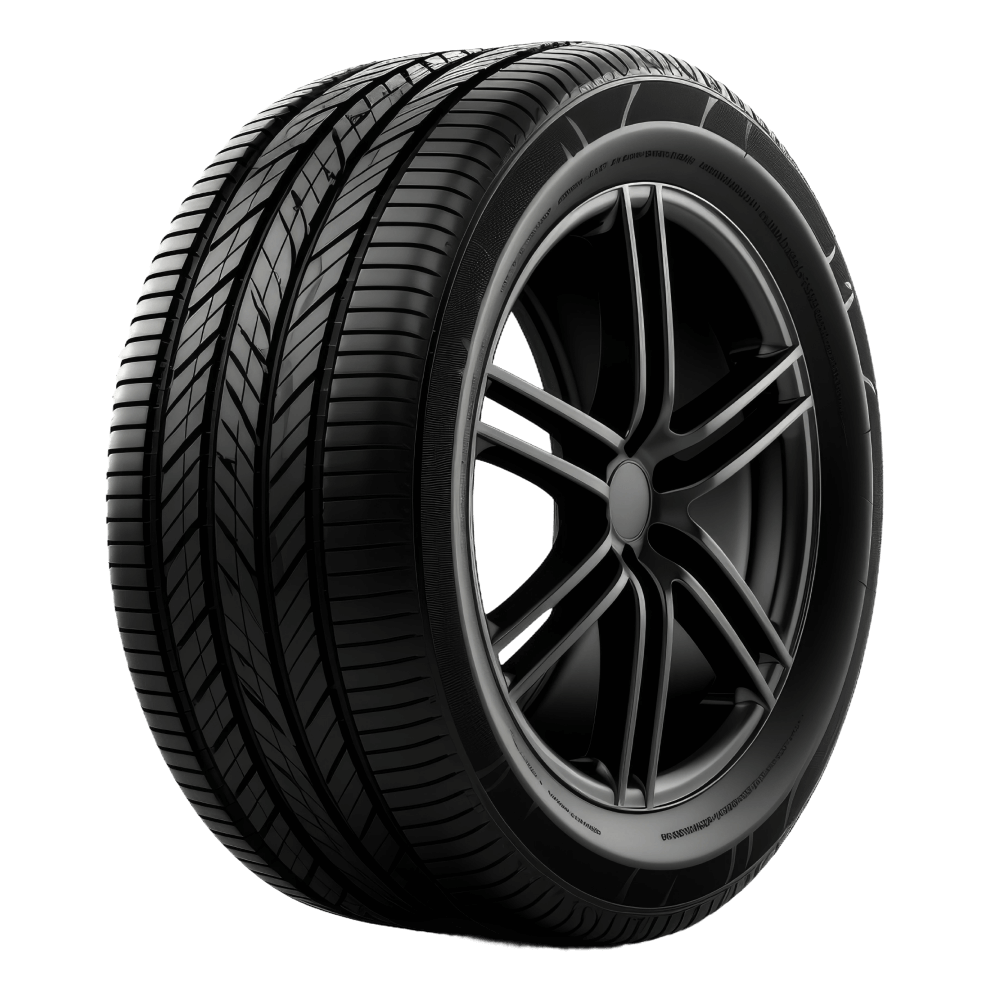
The European Union has given the green light to the new Euro 7 regulations, which will significantly tighten emission limits for all vehicles circulating in EU territory from 29 November 2026. This updated regulatory framework extends beyond traditional exhaust emissions, broadening its scope to include—for the first time—particles from brake and tyre wear, while also establishing stricter requirements for battery longevity in electric and hybrid vehicles.
The fresh regulations unify standards across all vehicle types, from cars and vans to heavy-duty vehicles like lorries and buses. Among the key innovations, Euro 7 introduces control of nitrous oxide (N₂O), a potent greenhouse gas previously unregulated. Additionally, MOT inspections will become notably more stringent, as vehicles must pass tests under real driving conditions rather than just laboratory settings, which had been the norm under previous regulations.
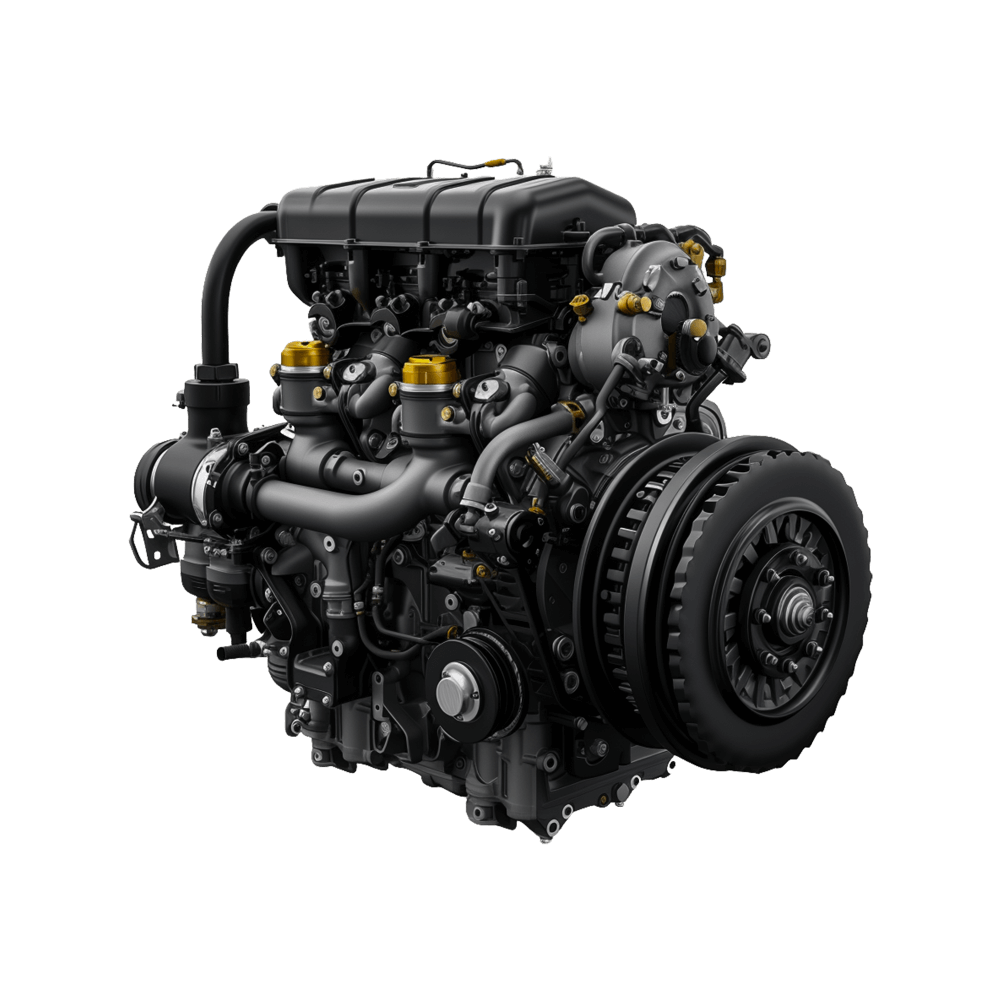
This measure will impact all segments of the automotive market. Manufacturers will need to make significant technical adaptations to comply with these new requirements, including improvements to combustion engines, braking systems, tyre composition, and electrical components. The regulations also introduce longer lifecycle testing, forcing vehicles to maintain their low emission levels for more miles and years. For heavy-duty vehicles, implementation will be gradual, with deadlines extending to 2028-2029.
Euro 7 represents a qualitative leap compared to previous regulations. While Euro 6 primarily focused on exhaust emissions, the new framework adopts a more holistic approach to vehicle pollution. A revolutionary aspect is the inclusion of non-exhaust particles, such as those generated by brake and tyre wear, which constitute a significant source of microplastics and metallic particles in urban environments.
Electric vehicles, previously exempt from many emission regulations due to having no exhaust pipe, will also face controls. Their brake systems and tyres will be checked for particle emissions, as will the long-term durability of their batteries. This will compel manufacturers to design more efficient and lasting energy storage systems, ensuring they maintain at least 80% of their original capacity after several years of use.
For consumers, these changes will mean cleaner vehicles but potentially more expensive ones in the short term. Industry experts estimate that new vehicle prices could increase by 250 to 850 euros per unit, depending on the vehicle type and technology incorporated to meet the regulations.
The Euro 7 implementation will follow a staggered timeline. From 29 November 2026, all new car and van models must comply with the regulations to be homologated and sold in the European market. For vehicles already on the market, there will be an additional 12-month grace period, until November 2027.
For heavy-duty vehicles, new models must adapt from November 2027, while existing vehicles will have until November 2028 or even 2029, depending on their category and weight. This progressive application aims to give manufacturers time to adapt their production lines and develop necessary technologies.
The European Commission has emphasised that these regulations are compatible with the ban on new combustion vehicle sales from 2035, another key measure in Europe’s transport decarbonisation strategy. In fact, Euro 7 is considered a fundamental intermediate step to reduce polluting emissions during the transition period towards fully electric mobility.
Spain, as Europe’s fourth-largest vehicle producer, faces significant challenges with these new regulations. Spanish manufacturing plants, which produce nearly 2.5 million vehicles annually, will need to make substantial investments to adapt their production lines. The auxiliary industry will also need to evolve to supply components that meet the new standards.
According to the Spanish Association of Automobile and Truck Manufacturers (ANFAC), adapting to Euro 7 will involve investments of several billion euros for the sector in Spain. However, it also represents an opportunity to consolidate the technological leadership of Spanish industry and position itself as a benchmark in low-emission vehicle manufacturing.
The Spanish Government has already announced a support plan for the sector, with specific aid within the framework of the Recovery, Transformation and Resilience Plan, to facilitate this technological transition and maintain the international competitiveness of the national industry.
For vehicle owners, the new regulations will bring several practical implications. First, technical inspections will become more rigorous, incorporating new control parameters related to brake and tyre particle emissions, as well as testing under real driving conditions.
Vehicles manufactured before Euro 7 comes into effect won’t be obliged to comply with the new regulations, but they must maintain the emission standards they were homologated with. This means they can continue to circulate normally, although access restrictions to urban centres are likely to progressively tighten for older, more polluting vehicles.
In the long term, however, drivers will benefit from cleaner and more efficient vehicles with more advanced propulsion systems and less environmental impact. Additionally, the reduction in pollutant emissions will have direct positive effects on air quality, especially in urban environments, which will translate into improvements for public health.
To be able to write a comment, you have to be registered and logged in
Currently there are no comments.
Passeig Mallorca 9A, 07011 Palma de Mallorca, Spain
Switchboard +34 971 78 84 00 | News Desk +34 971 78 84 10
Editorial +34 971 78 84 11 | What’s On + 34 971 78 84 11
Advertising +34 971 78 84 05 | Distribution +34 971 78 84 03
Editorial: editorial@majorcadailybulletin.es
Advertising: publicidad@majorcadailybulletin.es
Subscription: suscripciones@majorcadailybulletin.es
Related Article