Consider this a thank you note to the engineers and designers who created my favorite new vehicle features, large and small, this year — and a list of innovations for your next vehicle.
There are no small annoyances in a car you use every day. The irritation of something as simple as a balky seat belt can outweigh the rational knowledge of systems that make you a safer and more efficient driver.
Today is about my favorite new features, simple and sophisticated, in the dozens of vehicles I tested this year.
You can get an adapter to charge non-Tesla EVs at Tesla fast chargers for $20 on Amazon. Why would it be wise to spend $200 or more?
Because those powerful DC fast chargers deliver circuit-frying power that can cost you thousands of dollars if the electrons hit the fan when a cheap adapter malfunctions.
Shoutout to SAE and UL Solutions, venerable institutions that tested the daylights out of every component to charge non-Teslas at National American Charging Standards kiosks (adopted by Tesla) and Teslas at Combined Charging Standards units, then created standards for safe and reliable adapters.
Those babies will still work if you back your car over one. But don’t.
Look for adapters stamped UL 2252 or SAE J3400/1 or endorsed by your automaker and revel in the convenience of using both national fast charging networks.
Worried about thieves who clone the signal from electronic key fobs?
The Ford F-150 has the answer: Start Inhibit, a feature on Ford’s smart phone app that tells your car to ignore signals from the fob.
The doors won’t unlock and the truck won’t start. Use it to disable the vehicle if your apps gets a vehicle intrusion alert.
Start Inhibit is part of a $7.99/month security package available on many F-150 and Super Duty pickups. Upcoming over the air software updates may add it to other vehicles.
Vehicles have used noise cancellation to eliminate annoying engine vibrations for years, but when you get rid of the engine completely in an EV you start to notice other noises.
The Cadillac Vistiq and Hyundai Ioniq 9 three-row electric SUVs handle that by using electronic noise cancellation — like your airplane headphones may use — to eliminate unpleasant tire and road noise. The vehicles’ audio systems generate sound waves to counteract or eliminate the noise.
The result: a more pleasant, less stressful journey. I can’t wait to test them both — and the SUVs’ excellent audio systems — on a long drive.
The Cadillac Vistiq and Lyriq-V EVs use new optics to project larger and more informative, interactive arrows and other information onto the driver’s view of the road ahead.
The technology that makes it happen is complicated, but the images appear to be floating in air 10 feet ahead of the nose of the car.improved display, making it easier to follow navigation instructions about where to turn and what lane to select.
“Why didn’t somebody think of this sooner?” I asked that at least three times during my first drive of the 2026 Hyundai Palisade SUV, Hyundai’s flagship SUV that got bigger and better for 2026 and added an array of thoughtful features.
More: New Kia Seltos gets bigger, adds features, aims to stay affordable
More: Ford sales dip for the month of November as EVs and some SUVs tank
Seemingly simple things the Palisade gets absolutely right:
First, lighted receivers for second-row seat belts. You’ll never again struggle to find the buckle and secure yourself in a Lyft or shuttle at night.
Second, the 100w USB-C outlets to charge devices quickly.
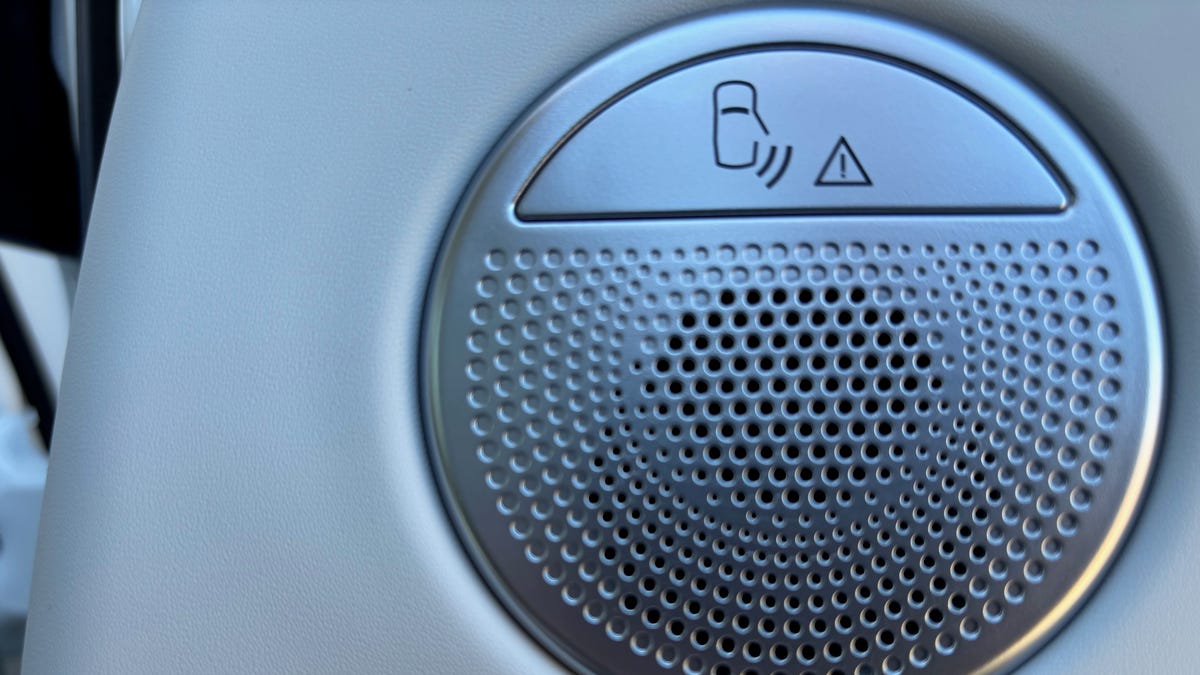
And third, lighted icons on the rear doors warn exiting occupants of oncoming vehicles.
Top models of the new Palisade also have a UV-C sterilizing light in their center console, answering a question I wouldn’t’ve asked, but pandemic-wary buyers may.
Contact Mark Phelan: mmphelan@freepress.com. Follow him on Twitter @mark_phelan. Read more on autos and sign up for our autos newsletter. Become a subscriber.
Related Article