Angel Sergeev is a seasoned automotive journalist with over 15 years of experience covering the automotive industry. Born in Sofia, Bulgaria, he began his writing career in 2010 while pursuing a degree in Transportation Engineering.
His early work included contributions to the local edition of F1 Racing magazine (now GP Racing magazine) and roles at various automotive websites and magazines.
In 2013, Angel joined Motor1.com (formerly WorldCarFans), where he dedicated over a decade to delivering daily news and feature articles. His expertise spans a wide range of topics, including electric vehicles, classic cars, and industry topics. Angel’s commitment to automotive journalism is further demonstrated by his membership in the Bulgarian Car of the Year jury since 2013.
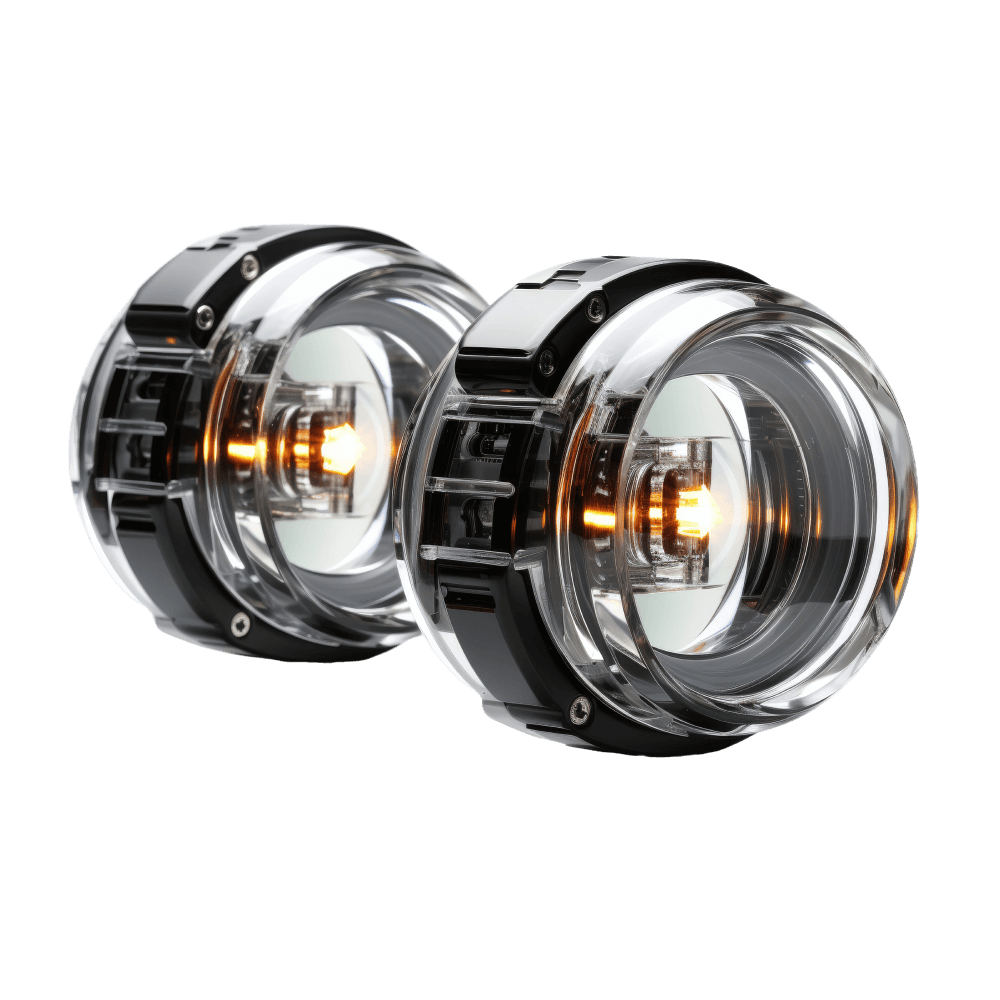
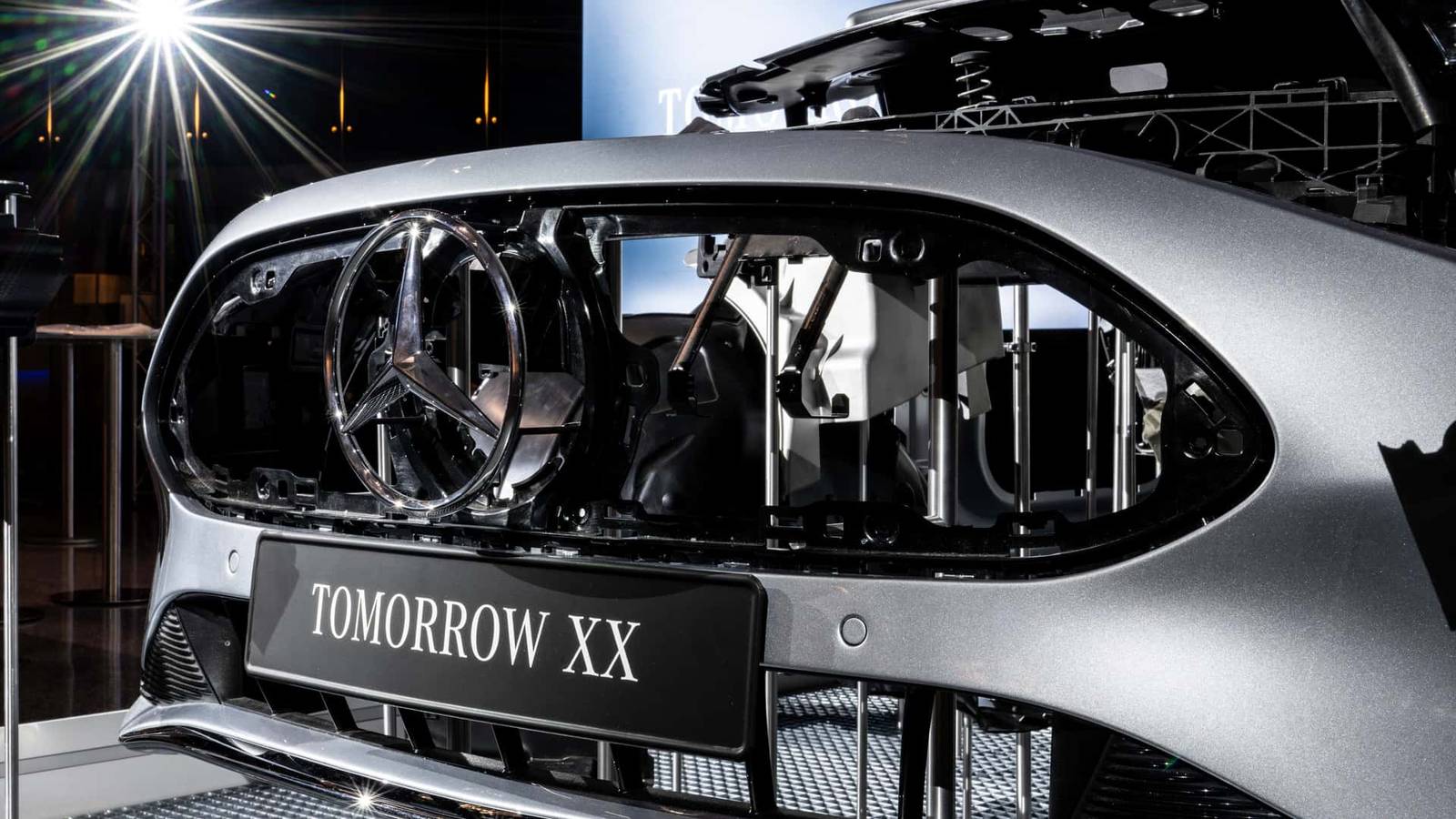
Mercedes-Benz wants to make a modern car headache feel old-school again, and it starts with a tiny piece of hardware. Under a new sustainability and materials program called Tomorrow XX, Mercedes says it plans to stop gluing headlight assemblies together and start fastening them with screws. It sounds almost laughably basic, but it targets a very real problem – owners keep getting stuck replacing entire, expensive light units for damage that should be a simple fix.
The 2026 Mercedes-Benz CLA is finally here, and not only does it look good, but it is smarter, faster, and more intelligent than any car before it.
That problem grew as headlights got smarter. Today’s premium lamps pack adaptive LED tech, control modules, and sensors into a sealed housing. When something goes wrong, the repair often jumps straight to “swap the whole assembly.” Kelley Blue Book notes that LED issues can stem from the unit’s electronics, and in some cases, the fix means buying a complete headlight assembly rather than a small service part. That’s how a rock chip or a flaky module can turn into a brutal bill.
Mercedes says its Tomorrow XX headlamp concept attacks that pain at the design stage. Instead of sealing the lens, trim, housing, and electronics with adhesive, the company says it bolts those pieces together with screws. That lets technicians split the unit without destroying it. Mercedes even calls out the classic scenario – a stone chip cracks the outer lens. With today’s sealed designs, that often means replacing the entire headlight. With the screw-together setup, a technician could swap the lens and keep the rest of the pricey unit in service.
The screw move also helps at the other end of the car’s life. Glue makes teardown messy and slows down recycling. Mercedes says it wants each major headlight module to use a single material wherever possible so recyclers can sort parts cleanly and reuse them efficiently. Mercedes-Benz estimates the redesigned lamp could almost double the share of secondary (recycled) materials compared with today’s headlights and nearly cut the component’s carbon emissions in half. In short – less waste, fewer new units, and a better shot at true recycling.
All-electric Mercedes GLB lands with seven seats, huge range and real tow muscle. Meet the compact EV SUV gearheads with families actually want.
Mercedes doesn’t stop at the front end. Tomorrow XX also targets interior door panels, another multi-material puzzle. Many automakers use ultrasonic welding because it’s fast and strong, but it turns disassembly into a fight. Mercedes says it has developed thermoplastic rivets that a technician can undo, which should make repairs easier and help separate materials for recycling when a car reaches end-of-life.
Some of this thinking already shows up in Mercedes’ product messaging for the new electric CLA. Mercedes says the CLA uses a wiper-fluid tank made from 100% recycled polypropylene and expects front and rear bumpers to contain up to 25% post-consumer recycled material. It also highlights other recycled-content parts like wheel arch liners made from post-consumer recyclate and jacking points made entirely from recycled bumpers from end-of-life vehicles.
In a weird way, Mercedes reaching for screws instead of glue feels like a throwback to when cars got built like machines, not gadgets. Older cars leaned on fasteners because that’s what factories had, and that’s what shops could service. If a lens, trim piece, or bracket got damaged, you didn’t toss a whole assembly in the trash. You popped out a few screws, swapped the bad part, and got back on the road. That mindset shaped everything from body hardware to interior panels – parts came apart because someone expected them to come apart.
Back then, production also ran on simpler, more direct methods. Carmakers stamped metal, welded it, bolted components on, and left you access points to reach things later. Even when plastics took over more of the cabin, the philosophy stayed pretty straightforward – build it in pieces, assemble it with clips and screws, and let replacement parts exist. Modern adhesive-heavy assemblies brought tighter sealing, fewer rattles, and faster assembly, but they also pushed cars toward “whole-unit” repairs. Mercedes flipping back to screws reads like a nod to the old school, just with modern goals – keep advanced tech modular, cut waste, and make it easier to fix the stuff that actually breaks.
Source: Mercedes-Benz
We want to hear from you! Share your opinions in the thread below and remember to keep it respectful.
Your comment has not been saved
This thread is open for discussion.
Be the first to post your thoughts.