To keep reading the latest motorsport news,
simply subscribe to our free newsletter
Get direct access to our journalists, bonus
podcast episodes, discounts, no ads + much
more when you join our community
Up Next
Formula 1 has moved to simplify the names of core elements of the new 2026 rules in a bid to help avoid fan confusion.
As first reported by The Race, the FIA and F1 management had been concerned that the complicated 2026 regulations risked leaving those watching unclear about what they were seeing if there was not a well-defined approach to explaining things.
This came in the wake of F1’s research having shown that there had been repeated examples of common grand prix jargon not having successfully cut through with the audience.
For example, this research had suggested that more than 10% of fans in F1 focus groups still did not automatically recognise what the Drag Reduction System (DRS) was – despite it having been a part of F1 for nearly 15 years.
With the 2026 rules being much more complicated than what we have had in recent years, thanks to new energy aspects and different wing settings, there was a heightened risk of things getting out of control.
One aspect that had raised some eyebrows, for example, was that the ‘MOM’ acronym for Manual Override Mode opened the door for unintended comedy potential.
Furthermore, the initial names for new active aero settings – initially titled X-mode and Z-mode – were confusing from the off.
So following consultation between the FIA, F1, teams, engineers and fan focus groups, a new range of terminology has been agreed that will be used to label some key aspects going forward.
These fall into four distinct categories.
OVERTAKE MODE
This will officially replace what was previously known in the regulations at Manual Override Mode. When drivers are within one second of a car in front at a specified detection zone, they will be allowed to deploy extra power around the lap to help them pass a rival ahead.
BOOST MODE
This is the regular use of battery power that has been harvested by the Energy Recovery System (ERS) and can be used by a driver either to defend from a rival behind or attack one ahead. Using it, drivers will have maximum power from the engine and battery at the push of a button, no matter where they are on track.
RECHARGE
This will be when drivers are recharging their battery with recovered energy. This will be done in a host of different ways, including lift-and-coasting, braking or even from running on throttle through some corners.
ACTIVE AERO
This is the moveable front and rear wing elements that will be used to adjust drag and downforce levels at various parts of the track. There will be a Corner mode (high downforce) and a Straight mode (low drag) that will differentiate between the two main settings that will be used around lap.
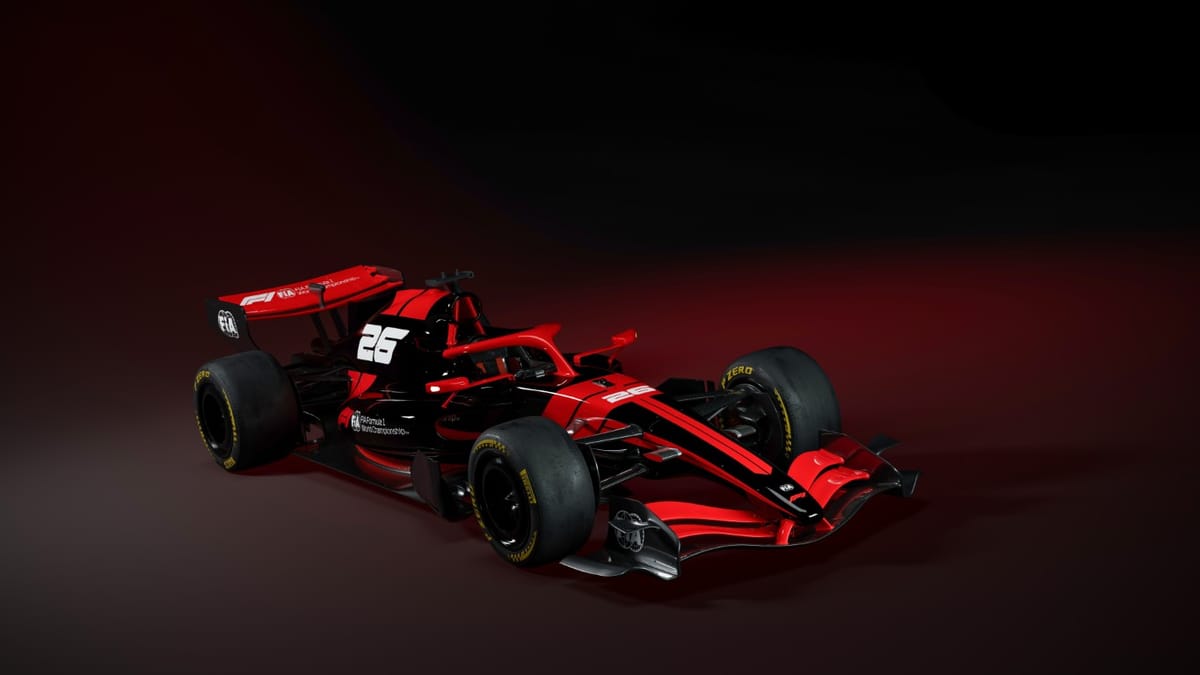
As well as the names for some key elements having been made official on Wednesday, F1 and the FIA released some fresh renders of their interpretations of the new cars that are coming for 2026.
The smaller machines are expected to be 30kg lighter than the 2025 generation of cars.
There is anticipated to be a 15-30% reduction in downforce, thanks to the shrinking of the ground effect tunnels under the floor, while drag is expected to be 40% less thanks to the active aero.
The Race started in February 2020 as a digital-only motorsport channel. Our aim is to create the best motorsport coverage that appeals to die-hard fans as well as those who are new to the sport.
Related Article