
The streets of Cuba are a true open-air museum, where American cars from the mid-20th century sit side by side with Soviet-era sedans. Here, you might spot a gleaming 1957 Chevrolet alongside a humble VAZ-2105, which on the local market is valued at a price comparable to a brand-new car in Europe. This situation is owed not only to Cubans’ fondness for retro vehicles, but also to the island’s unique history and economy.
After the 1959 revolution, Cuba found itself isolated by the American embargo. Car and spare part imports nearly came to a halt, forcing locals to cherish and maintain the vehicles already on the island with all available means. As a result, vehicles that would be museum pieces elsewhere still ply the country’s roads today.
In the first half of the 20th century, Havana ranked among the world’s most car-filled cities. Cars began to appear en masse here in the 1910s, and by the 1950s only the United States had more vehicles per capita. American manufacturers used the island as a proving ground for new models—Cadillac and Ford held launches in Havana ahead of New York.
Wealthy Americans used to come to Cuba for vacation, bringing with them the latest models from the auto industry. Back then, the island was a true paradise for car enthusiasts, and locals quickly picked up the passion for automobiles. However, after the change of power and the introduction of sanctions, the flow of new cars dried up, and Cubans had to learn to make do with what was left.
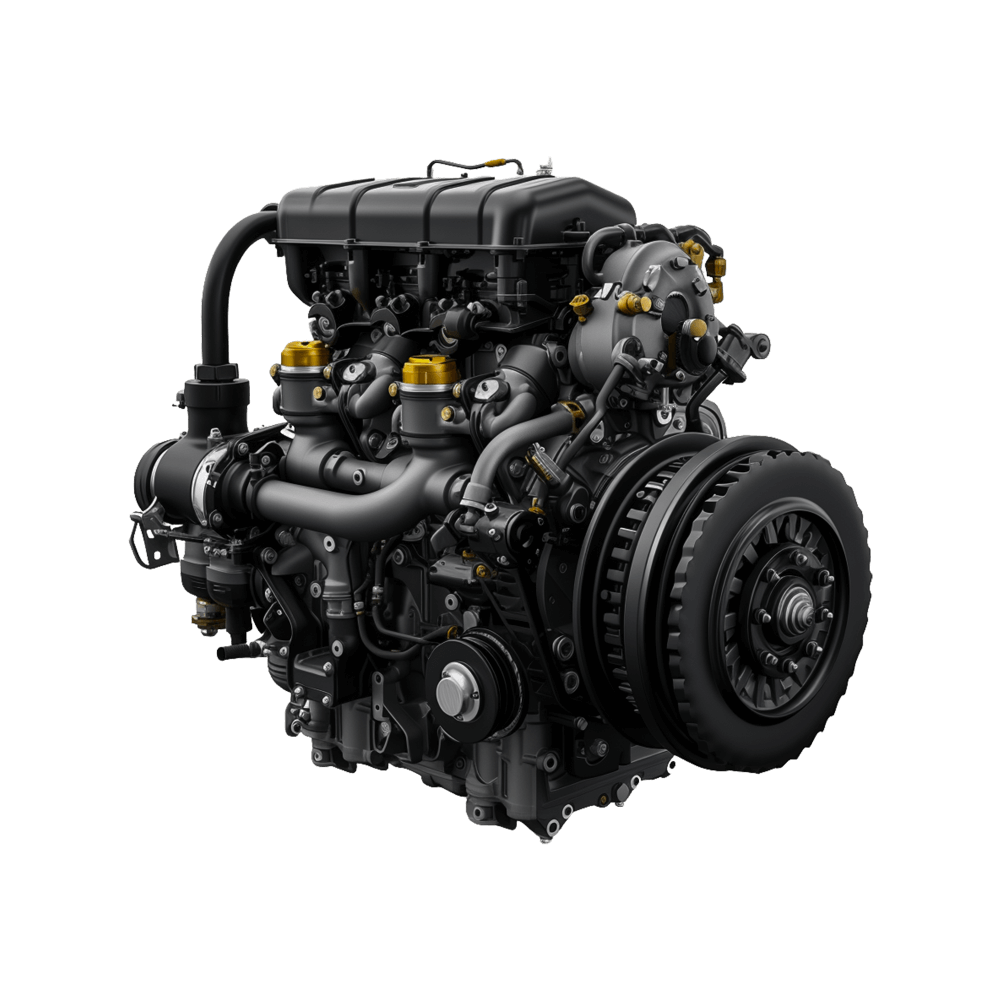
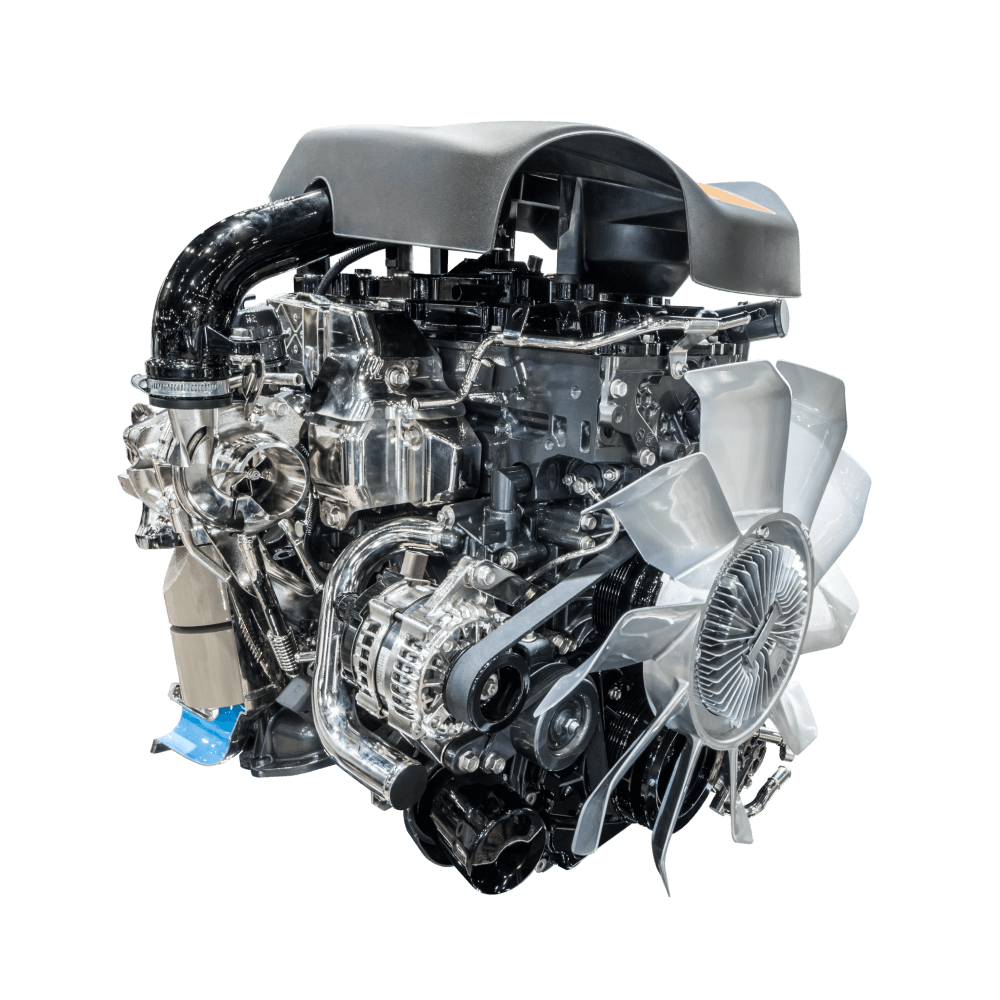
Cuban mechanics have become world-famous for their resourcefulness. Due to a lack of original parts and tools, they literally had to reinvent the wheel. Parts from tractors, motorcycles, and even household appliances were put to use. It’s not uncommon to find a Soviet tractor or Zhiguli engine under the hood of an American sedan.
This phenomenon in Cuba has its own name — mecanicos de invento, meaning ‘jack-of-all-trades mechanics’. Thanks to their skills, old cars keep running despite their age and the lack of spare parts. Many vehicles on the island have long since become unique hybrids with no equivalents anywhere else in the world.
Car prices in Cuba are astonishing. An old VAZ-2105 in good condition can cost up to $15,000, which is dozens of times higher than the island’s average salary. The reason is massive government markups on new cars, reaching 400–800%. For most Cubans, buying a new car remains an unattainable dream.
As a result, old Soviet and American cars have become true valuables. They are carefully preserved, repaired, and passed down from generation to generation. For many families, a car is not just a means of transportation, but a symbol of status and family history.
In recent years, Chinese cars have become an increasingly common sight on Cuban roads. The government actively cooperates with China, purchasing passenger cars and buses for the needs of the police, officials, and tourism companies. Geely models and Yutong buses are especially popular and are used to transport tourists and local residents.
Despite the arrival of new vehicles, old cars still remain in use. Cubans are in no rush to part with their familiar Zhiguli and Chevrolets, as repairs are cheaper and spare parts can be found at local markets or even made by hand.
For many Cubans, the car is more than just transportation—it’s part of the national identity. Old vehicles have become a symbol of resilience and inventiveness in a nation that has managed to preserve its uniqueness in isolation. Tourists from around the world come to Cuba to ride in legendary vintage cars and experience the spirit of a bygone era.
Today, Cuba’s car fleet is a living chronicle blending American heritage, Soviet legacy, and modern Chinese technology. Every vehicle on the island tells its own story—one of adventure, challenge, and triumph.
In case you didn’t know, VAZ (Volzhsky Automobile Plant) is Russia’s largest passenger car manufacturer, founded in 1966. The VAZ-2105 model, known as Zhiguli, was produced starting in the 1980s and exported to dozens of countries, including Cuba. On the island, these cars became a symbol of the Soviet era and are still sought after today for their simplicity and ease of repair.
Крупнейший в Интернете портал РУССПЕЙН (ранее «Русская Испания»), вот уже 25 лет помогающих людям, которые собираются переехать или уже находятся в стране советами, новостями и статьями. Архив сайта — 55 000 материалов, на Практикуме – 120 000 ответов.
We are using cookies to give you the best experience on our website.
You can find out more about which cookies we are using or switch them off in .
This website uses cookies so that we can provide you with the best user experience possible. Cookie information is stored in your browser and performs functions such as recognising you when you return to our website and helping our team to understand which sections of the website you find most interesting and useful.
Strictly Necessary Cookie should be enabled at all times so that we can save your preferences for cookie settings.
У Вас включена блокировка рекламы. Мы работаем для Вас, пишем новости, собираем материал для статей, отвечаем на вопросы о жизни и легализации в Испании. Пожалуйста, выключите Adblock для нашего сайта и позвольте окупать наши затраты через рекламу.
Related Article