By Hemma Visavadia,
Published: 28/12/2025
Infrastructure Minister Liz Kimmins has unveiled proposals to toughen up mobile phone laws while driving
New driving laws could come into force next year under proposals that would see motorists prosecuted for almost any use of a mobile phone behind the wheel.
Drivers in Northern Ireland could soon be banned from touching their phones for any reason while driving, under sweeping new plans put forward by Infrastructure Minister Liz Kimmins.
If approved, the changes would dramatically widen existing road traffic laws, making it illegal to use a handheld mobile device for any purpose while driving — including taking photos, recording videos, scrolling through music playlists or even checking the time.
The move is aimed at closing what ministers say is a major loophole in the current law, which dates back to 2004 and only bans phone use for "interactive communication" such as making calls, sending texts or accessing the internet.
Under the new proposals, simply holding and using a phone would be enough to commit an offence. Minister Kimmins said the law needs to catch up with how technology is now used.
"Use of mobile technology has changed, and we now need to target those individuals who think it is okay to take photos, videos or scroll on their phone while they are driving a vehicle," she said.
The proposed legislation would apply not just to mobile phones, but also to tablets, electronic notepads and gaming devices that allow interactive communication — even if they are not connected to the internet.
Activities that would become illegal include unlocking a phone, lighting up the screen, checking notifications, rejecting incoming calls or composing draft messages.
Drivers could see tougher mobile phone laws introduced in Northern Ireland
|
GETTY
Meanwhile, playing downloaded games, reading e-books stored on the device or even using the camera as a mirror could also result in prosecution. Officials warned these actions are just as dangerous as texting.
The consultation document stated that searching for music already saved on a phone poses the same risk as typing a message, as both distract drivers and take their eyes off the road.
The proposals form part of the Department for Infrastructure's Road Safety Strategy Action Plan. A public consultation closed in August 2025, and ministers are now considering the next steps, with new laws potentially coming in next year.
The push for reform follows grim figures from Northern Ireland's roads. In 2024, 69 people were killed, with hundreds more seriously injured.
LATEST DEVELOPMENTS
- Rachel Reeves Budget changes drag drivers into paying higher bills as 'luxury' car tax impacts thousands
- East Sussex authority moves to enforce 20mph limits in all new housing estates under new proposals
- Hybrid cars three times deadlier than petrol and diesel models as 'heavier' vehicles wreak havoc on UK roads
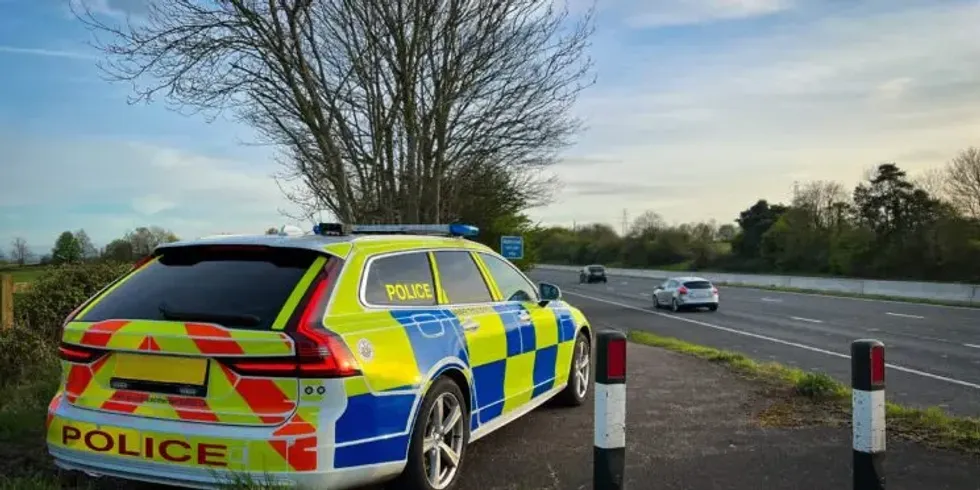
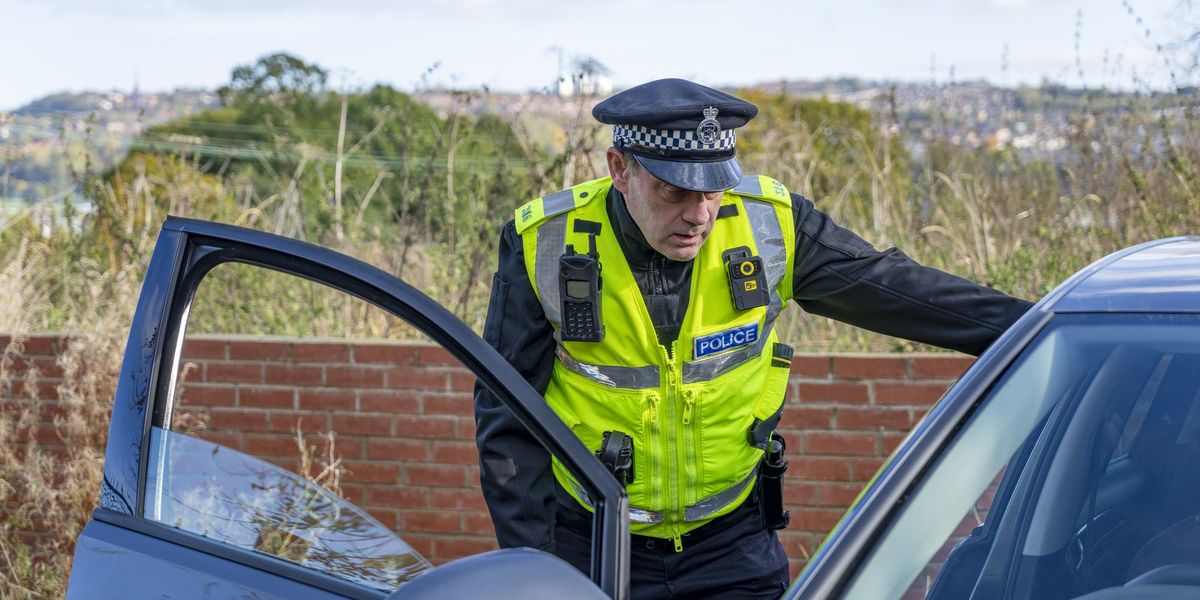
Under the new proposals, police will be able to issue automatic fines to drivers caught on their phone
|
AVON AND SOMERSET POLICEEvidence suggests driver inattention is a factor in most fatal or serious collisions, with around 95 per cent of road casualties linked to dangerous driving behaviour.
Chief Superintendent Sam Donaldson of the Police Service of Northern Ireland described mobile phone use as one of the so-called "Fatal Five" causes of road deaths.
"The harsh reality is that a moment's distraction, taking your eye off the road to look at your phone, or to use your phone while driving, can end in tragedy," he said. Police have also raised concerns about how difficult the current law is to enforce.
At present, officers who see a driver tapping or scrolling on a phone cannot automatically issue a penalty. They must prove the driver was engaged in interactive communication — something that is often impossible without examining the device itself. Such phone checks are usually only carried out after fatal or life-changing crashes.
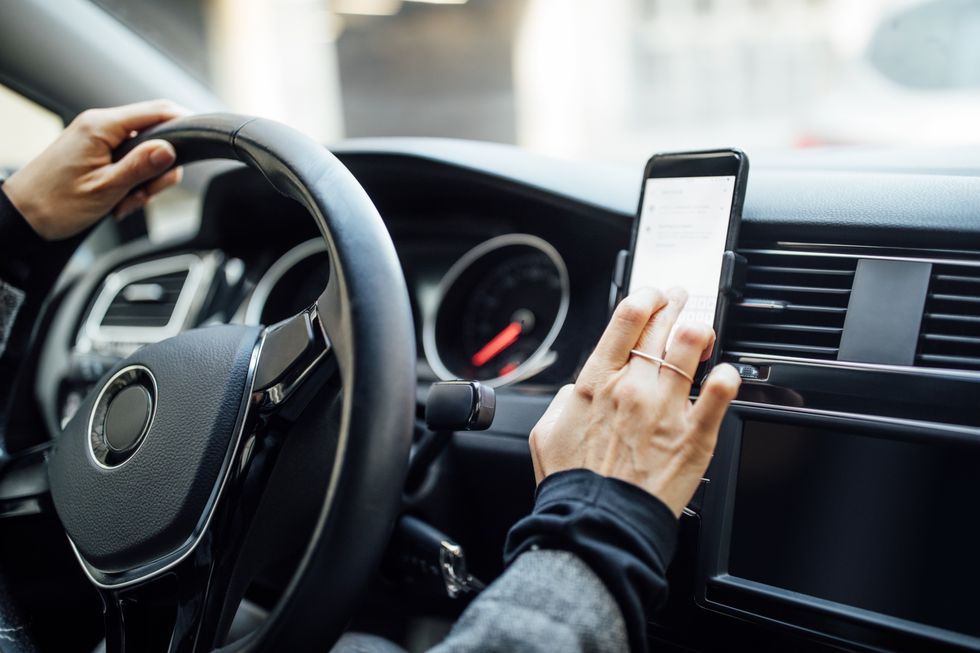 Drivers face a £200 fine and six penalty points if they use their phone at the wheel | GETTY
But under the new proposals, that hurdle would be removed. Police would be able to take action simply by observing a driver holding and using a device. Similar changes were introduced in Great Britain in March 2022.
Drivers would still be allowed to use their phones for satellite navigation, as long as the device is secured in a fixed cradle and not handled during the journey.
There would also be an exemption for contactless payments at drive-through restaurants or car parks, provided the vehicle is stationary, and the payment relates to goods or services received at that time or afterwards.
However, making online payments while sitting in traffic with the engine running would remain illegal. Penalties would stay the same at a £200 fine and six penalty points, with court cases carrying fines of up to £1,000, or £2,500 for lorry and bus drivers, and possible disqualification.
Our Standards: The GB News Editorial Charter
If approved, the changes would dramatically widen existing road traffic laws, making it illegal to use a handheld mobile device for any purpose while driving — including taking photos, recording videos, scrolling through music playlists or even checking the time.
The move is aimed at closing what ministers say is a major loophole in the current law, which dates back to 2004 and only bans phone use for "interactive communication" such as making calls, sending texts or accessing the internet.
Under the new proposals, simply holding and using a phone would be enough to commit an offence. Minister Kimmins said the law needs to catch up with how technology is now used.
"Use of mobile technology has changed, and we now need to target those individuals who think it is okay to take photos, videos or scroll on their phone while they are driving a vehicle," she said.
The proposed legislation would apply not just to mobile phones, but also to tablets, electronic notepads and gaming devices that allow interactive communication — even if they are not connected to the internet.
Activities that would become illegal include unlocking a phone, lighting up the screen, checking notifications, rejecting incoming calls or composing draft messages.
Drivers could see tougher mobile phone laws introduced in Northern Ireland
GETTY
Meanwhile, playing downloaded games, reading e-books stored on the device or even using the camera as a mirror could also result in prosecution. Officials warned these actions are just as dangerous as texting.
The consultation document stated that searching for music already saved on a phone poses the same risk as typing a message, as both distract drivers and take their eyes off the road.
The proposals form part of the Department for Infrastructure's Road Safety Strategy Action Plan. A public consultation closed in August 2025, and ministers are now considering the next steps, with new laws potentially coming in next year.
The push for reform follows grim figures from Northern Ireland's roads. In 2024, 69 people were killed, with hundreds more seriously injured.
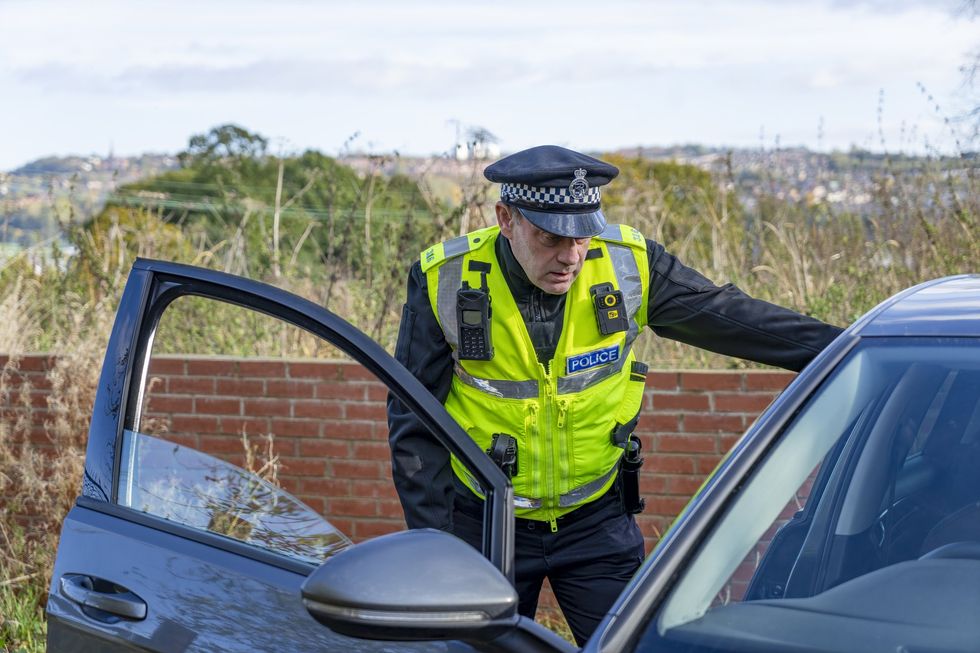
Under the new proposals, police will be able to issue automatic fines to drivers caught on their phone
Evidence suggests driver inattention is a factor in most fatal or serious collisions, with around 95 per cent of road casualties linked to dangerous driving behaviour.
Chief Superintendent Sam Donaldson of the Police Service of Northern Ireland described mobile phone use as one of the so-called "Fatal Five" causes of road deaths.
"The harsh reality is that a moment's distraction, taking your eye off the road to look at your phone, or to use your phone while driving, can end in tragedy," he said. Police have also raised concerns about how difficult the current law is to enforce.
At present, officers who see a driver tapping or scrolling on a phone cannot automatically issue a penalty. They must prove the driver was engaged in interactive communication — something that is often impossible without examining the device itself. Such phone checks are usually only carried out after fatal or life-changing crashes.
But under the new proposals, that hurdle would be removed. Police would be able to take action simply by observing a driver holding and using a device. Similar changes were introduced in Great Britain in March 2022.
Drivers would still be allowed to use their phones for satellite navigation, as long as the device is secured in a fixed cradle and not handled during the journey.
There would also be an exemption for contactless payments at drive-through restaurants or car parks, provided the vehicle is stationary, and the payment relates to goods or services received at that time or afterwards.
However, making online payments while sitting in traffic with the engine running would remain illegal. Penalties would stay the same at a £200 fine and six penalty points, with court cases carrying fines of up to £1,000, or £2,500 for lorry and bus drivers, and possible disqualification.
Our Standards: The GB News Editorial Charter