Welcome to GPFans
CHOOSE YOUR COUNTRY
Are you a F1 Fan? Follow GP Fans
Edition
F1 star Esteban Ocon has suggested that there will be ’issues’ to iron out in the early weeks of the 2026 season, amid a plethora of changes to the F1 regulations.
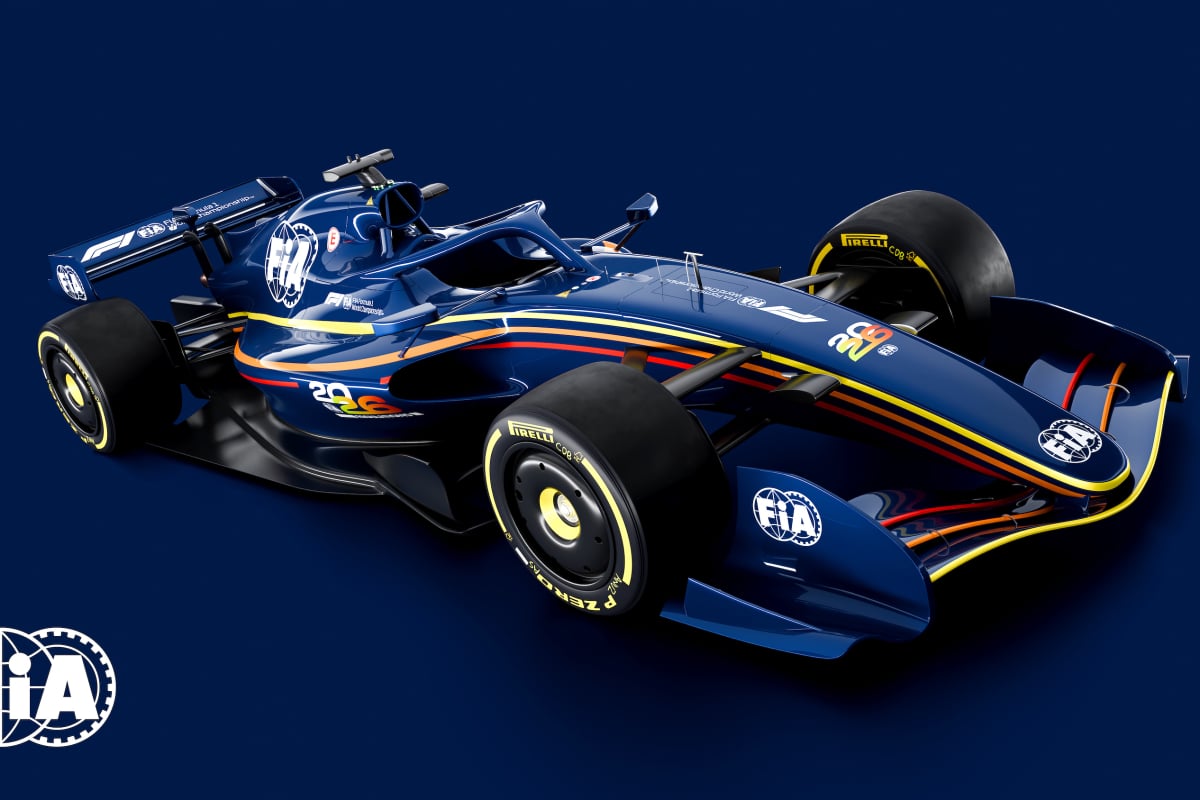
Both aerodynamic rules and power unit rules are undergoing a massive overhaul for 2026, with F1 cars set to be lighter, more nimble, and appear smaller on the track.
As a result, there are 11 days of testing scheduled before the season starts, with a five-day event in Barcelona later in January before two three-day events at the Bahrain International Circuit in February.
And Haas driver Ocon believes that all of that testing will be needed, with the Frenchman also seeming to suggest that problems for teams and drivers will continue on into the first few months of the competitive action getting underway.
Ocon has stated that he believes the difference between the 2025 and 2026 machinery is like the difference between F1 and racing in the World Rally Championship.
“There are going to be much bigger issues than that, I think, to tackle initially,” Ocon told media at the Abu Dhabi Grand Prix, referencing a braking issue he struggled with in the latter stages of 2025.
“It’s like if you jump from an F1 car to a rally car next year, pretty much, it’s that different. We’re going to have a lot of testing, but a lot of new things to learn.”
Ocon also reiterated comments made by team principal Ayao Komatsu about how the drivers had not done much work in the simulator on the new cars, instead focusing on their 2025 season.
“Me and Ollie, we have, at the moment, very limited data,” Ocon continued. “When they have a technical direction that they want, we have a meeting for it, but it has been very limited and they want to really has to focus on what we have to do.”
F1’s smaller cars are aimed at creating more exciting racing, particularly at narrower tracks such as Monaco, by being smaller and more agile.
Cars will be lighter by 30kg, the wheelbase will be reduced by 20cm and the car width will be reduced by 10cm compared to 2025.
The maximum floor width will also be reduced by 15cm, while the width of the front tyres will be decreased by 2.5cm and the rears by 3cm. Pirelli and the F1 grid recently tested the new tyres on mule cars during the post-season tyre test in Abu Dhabi.
F1 front wings will be 10cm narrower and will feature a two element active flap. The rear wing will then have a three element flap and the lower beam wing has been removed.
The removal of this is key, to ensure that a following car will encounter less turbulence or ’dirty air’, a major impediment to overtaking this past year.
On top of this, power units are also overseeing some huge changes, with electrical power tripled, basically meaning there is a 50-50 split between the two power sources.
They will also be aided by the use of sustainable fuels, further helping F1’s quest to achieve net zero carbon emissions by 2030.
READ MORE: Lewis Hamilton warned 2026 F1 season could be ‘his last’
Change your timezone:
Related Article