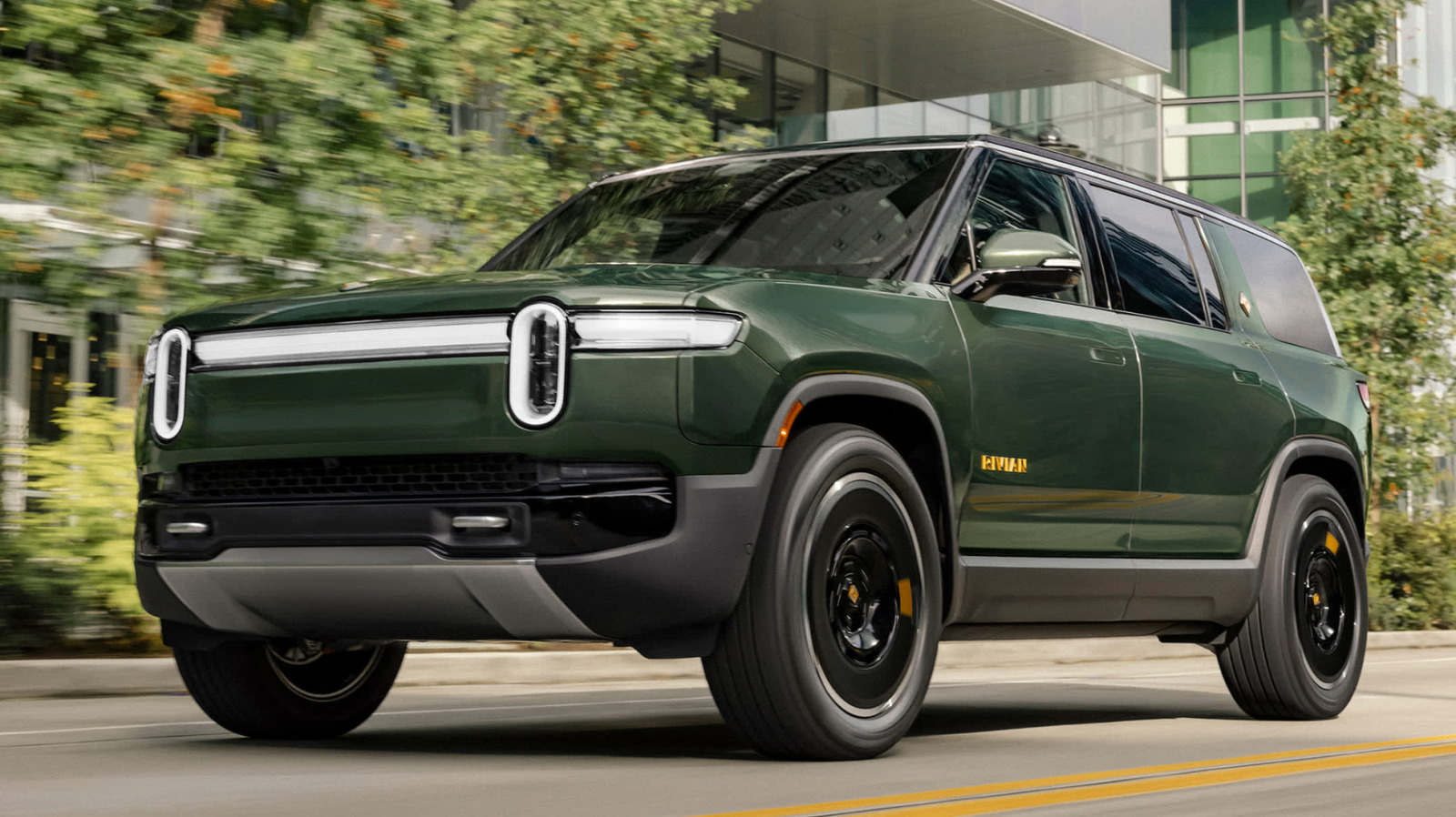
While most new vehicles on sale offer Android Auto, some do not. The longest-running vehicle brands that have never supported Android Auto include Tesla and Rivian, which is also missing Android Auto. These two brands have independently developed their own integrated, custom software systems that run all aspects of their vehicles, including driver assistance and control functions, infotainment, navigation, management and charging of the battery, and all other aspects of the vehicle that the driver needs to know about.
General Motors is replacing Android Auto (and Apple CarPlay) with their conversational-based AI with Google Gemini that will, in the future, be connected through OnStar and can be tailored to the driver’s preferences.
In 2028, GM plans to introduce a new “centralized computing platform” that will first be found on that model year’s Cadillac Escalade IQ EV, but will eventually expand to GM’s other EVs and gas-powered vehicles. According to GM, this new platform, “…unites every major system — from propulsion and steering to infotainment and safety — on a single, high-speed computing core.” This new system will provide GM vehicles with a bandwidth capability increase by a factor of 1,000, with a 10-fold increase in capacity for over-the-air software updates. GM CEO Mary Barra confirmed this in an interview, claiming that switching back and forth from your phone to the car’s system is “distracting.”
While automobile manufacturing companies, including GM, used to have dreams of megabucks that would ideally come from their monetization of data flowing through the vehicle, this has turned out not to be true. One particularly ham-fisted example was GM’s attempt to provide its drivers’ data to insurers without those drivers’ consent, resulting in increased insurance premiums. That was quickly shut down by the FTC. Car-based subscription services also proved to be profoundly unpopular.
GM 2026 vehicles that do not have Android Auto include the GMC Hummer EV Pickup/SUV, Chevrolet Silverado EV, GMC Sierra EV, Cadillac Celestiq, Cadillac Escalade IQ/IQL, Cadillac Vistiq, Chevrolet Equinox EV, and Chevrolet Blazer EV. With its upcoming centralized computing platform, GM can now focus, like Rivian and Tesla do, on providing an improved user experience for its drivers that controls all the aspects of the vehicle that they need to know about.
This includes the ability to manage navigation to a nearby EV charger, which requires the vehicle to know the current state of charge of its battery, something Android Auto would not be aware of. It also permits the integration of Google Maps with the specific roads used with GM’s SuperCruise driver assistance system, another bit of information that resides within the car. GM has come to understand what Tesla and Rivian have known for years — having your own software-defined ecosystem within the vehicle is a way to continuously upgrade that experience and add features over the lifespan of the vehicle.
Related Article