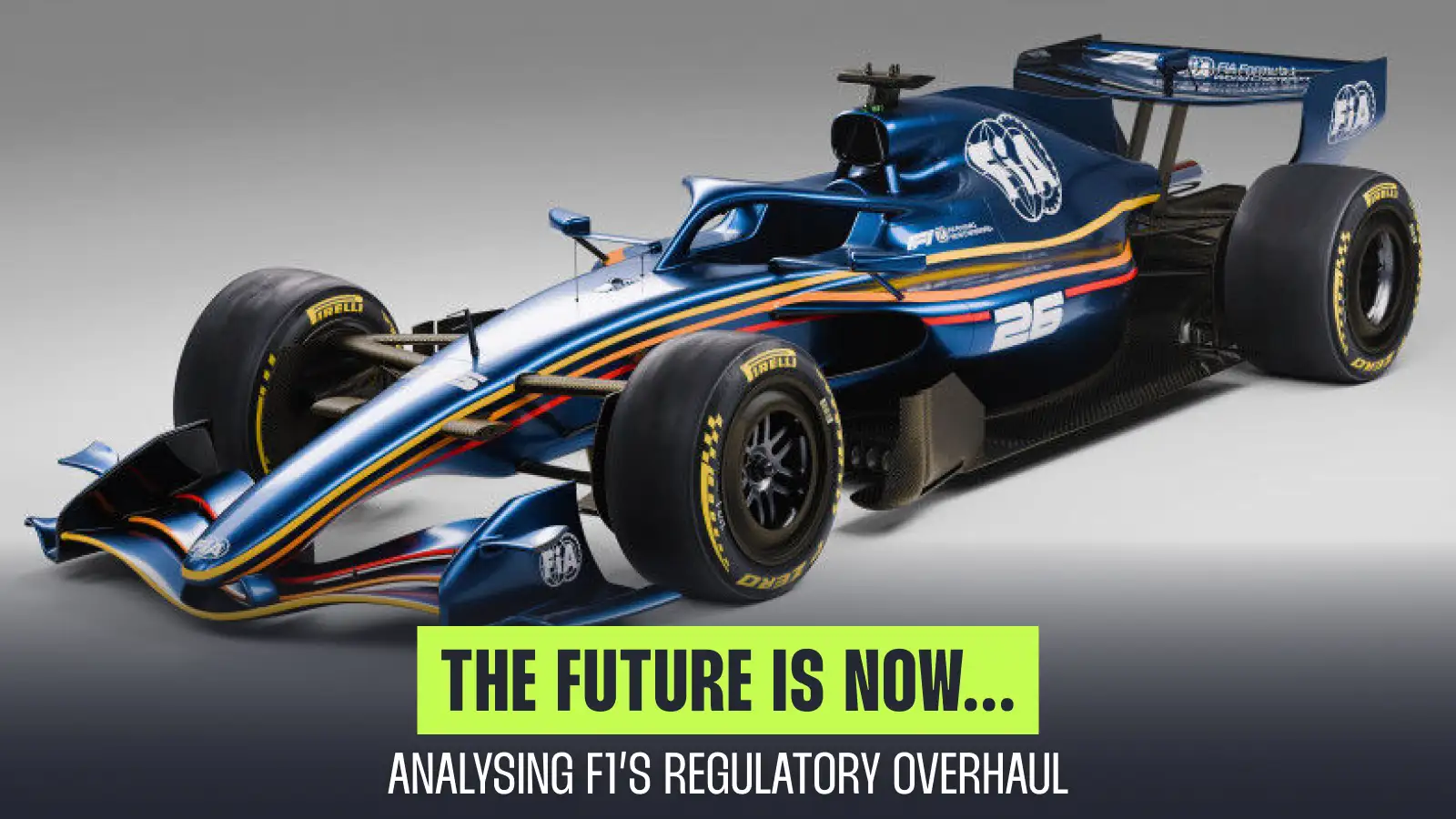
Formula 1 welcomes a new generation of machines this season, with the arrival of a new powerunit, having employed the previous hybrid solution for twelve years, while there are also an entirely new set of parameters governing the chassis and aerodynamics.
A significant amount of changes have been made to the regulations since they were first announced too, so let’s take a fresh look at how things are going to shape up going forward.
Want more PlanetF1.com coverage? Add us as a preferred source on Google to your favourites list for news you can trust.
First of all, the FIA described these regulations as creating a car that was more nimble when they were first announced.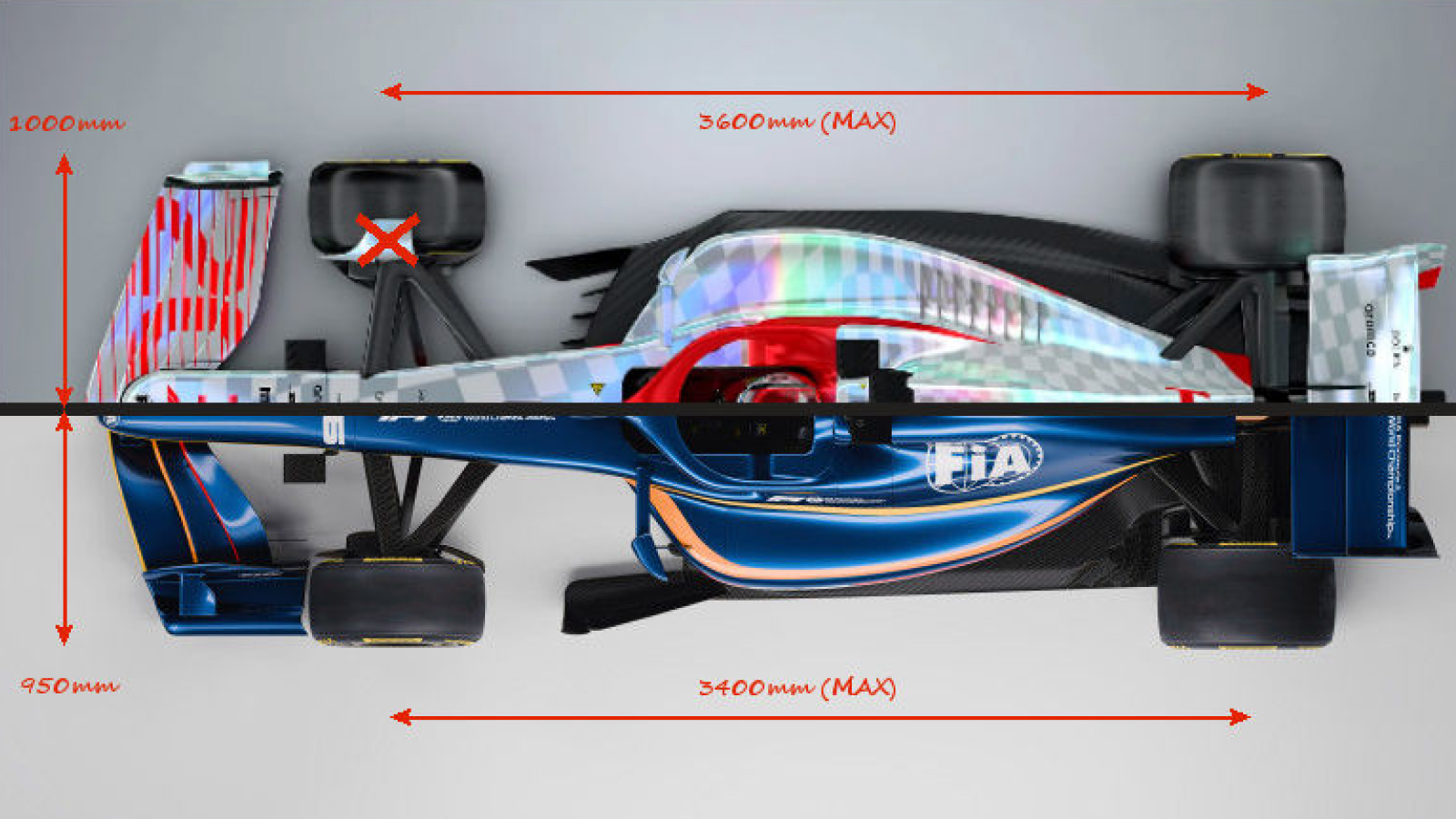
This is due in part to the reduction in the cars wheelbase by at least 200mm, with the maximum now set at 3400mm, whilst the cars will also be 100mm narrower, down from 2000mm to 1900mm.
Meanwhile, they’ve put the cars on a diet, as the minimum weight drops by 30kg to 768kg, albeit, like at the start of 2022 the teams will probably struggle to meet that target initially.
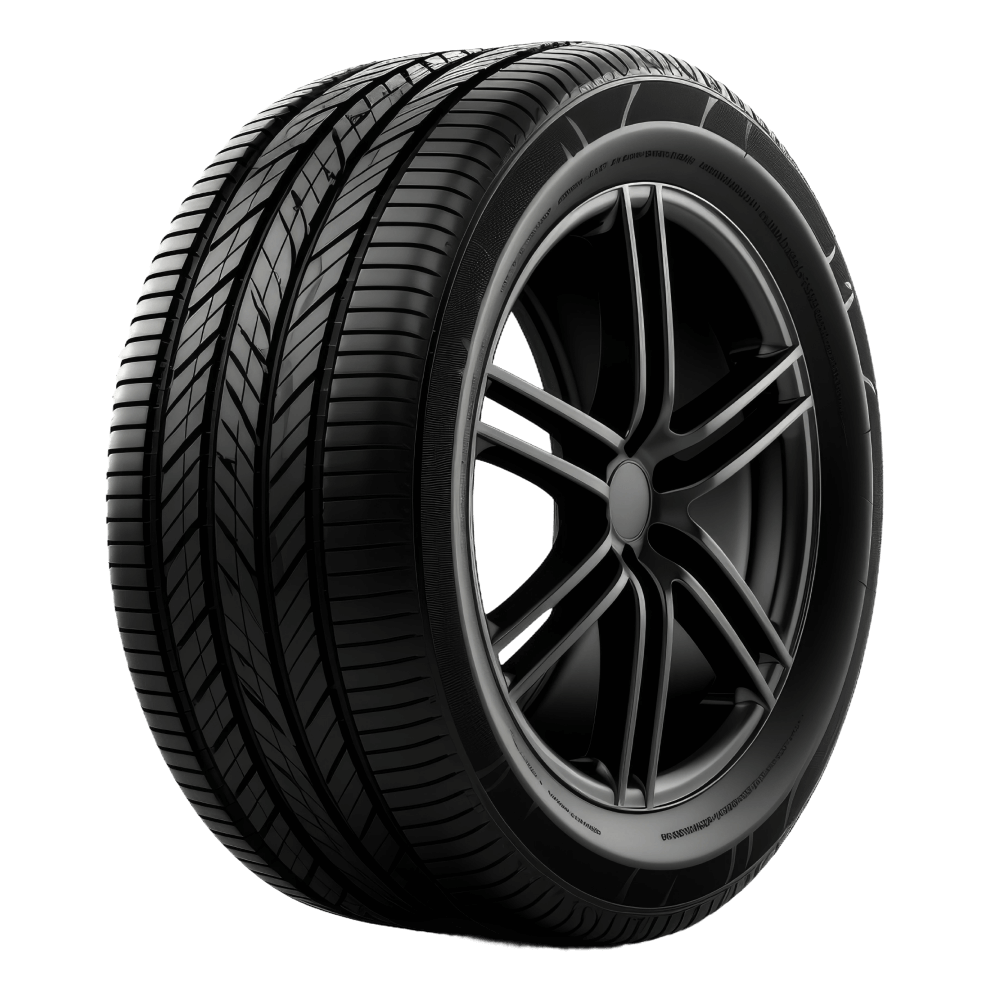
The dimensions of the tyres have also been altered for the forthcoming season, with both the front and rear tyres becoming narrower, measuring 25mm and 30mm less respectively. And, whilst the wheel rim remains at 18-inch in diameter, the tyres have also shrunk in this respect too, now 15mm narrower at the front and 10mm at the rear.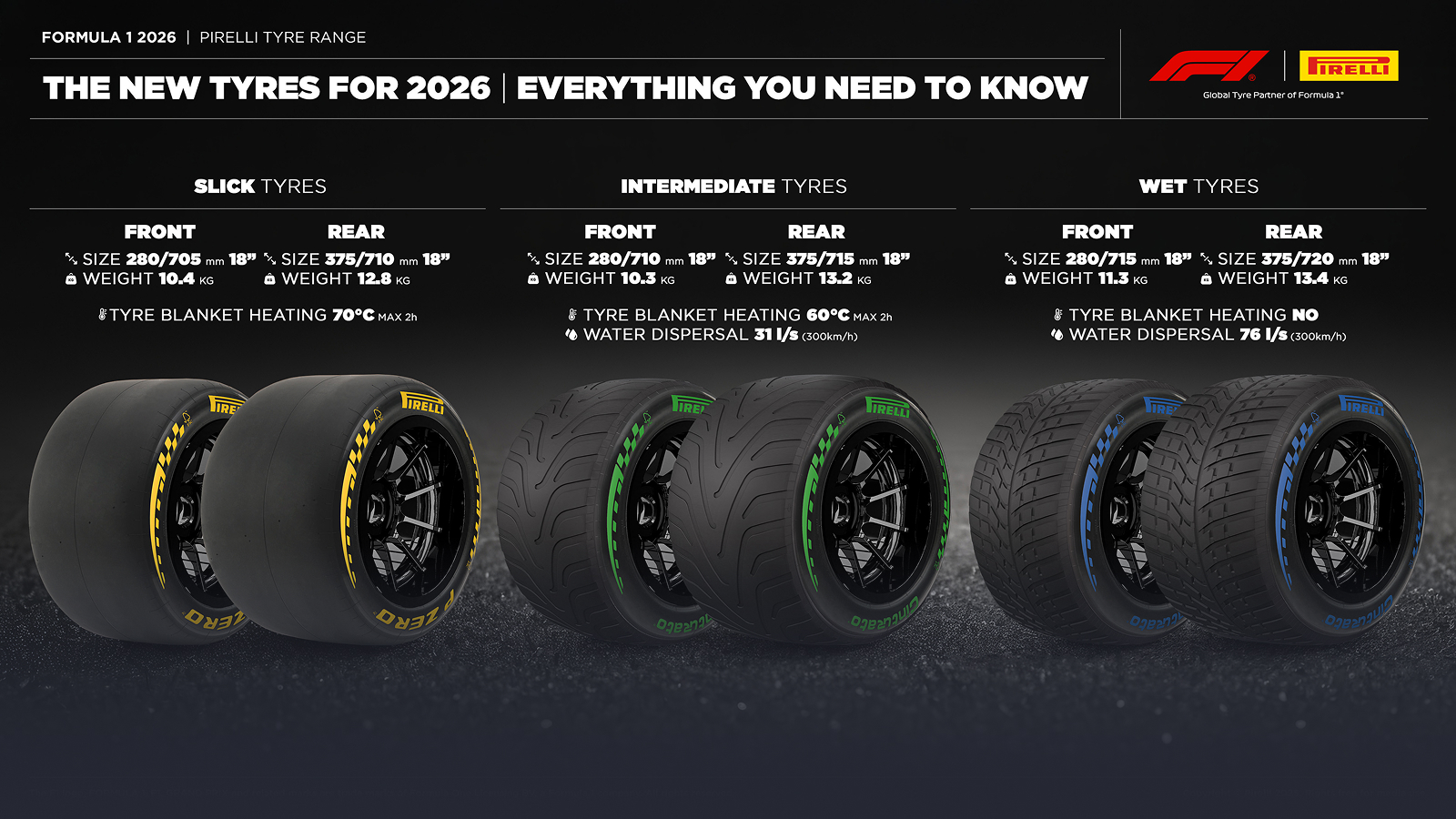
Pirelli conducted an extensive test programme throughout 2025 in conjunction with the teams, which provided mule cars to enable the tyre manufacturer to design and select an appropriate solution for the downforce and drag levels expected from this next generation of Formula 1 machinery.
As always it’s here where we’ll initially see some of the biggest discrepancies amongst the 11 teams, with each making design decisions in isolation from rivals that seem right within their own bubble but might seem a world apart from where they need to be when all of the cars are unveiled.
Should rivals unveil a better solution in a given area, teams are usually able to produce an update mid-season to either close the gap or, ideally, nose ahead.
However, there will be some core design decisions taken that may make the adoption of their rivals’ solutions much more difficult.
These are usually locked in around dimensional criteria, with the position of the cockpit and front axle line linked to other design parameters, such as the position of the sidepod inlets and the length, height and shape of the nose.
It’ll therefore be interesting to see how variation there is in some of these fundamental design principles, with the rest of the aerodynamic design package set to fit in around them.
Want to be the first to know exclusive information from the F1 paddock? Join our broadcast channel on WhatsApp to get the scoop on the latest developments from our team of accredited journalists.
You can also subscribe to the PlanetF1 YouTube channel for exclusive features, hear from our paddock journalists with stories from the heart of Formula 1 and much more!
Read Next: Explained: F1’s complex power unit upgrade system
Alpine and Jack Doohan have parted ways.
Max Verstappen on Oscar Piastri: “You sell your soul. The team can then do whatever it wants with you.”
Adrian Newey and Aston Martin: A match made in heaven?
Can Lewis Hamilton salvage his Ferrari career in F1 2026?
© Planet Sport Limited 2026 • All Rights Reserved