With over five years of experience in automotive journalism, Amanda Cline has spent the last four specializing in car reviews and enthusiast content. At HotCars, she produces detailed written reviews and long-form videos for the brand’s YouTube channel, showcasing deep knowledge of new and performance vehicles.
In Formula 1, winning starts long before race day. It begins in design studios, simulation labs, and manufacturing floors, where ideas either become genuine parts fast enough to matter or fall behind before a car ever turns a wheel. When one team can prototype in days, and another needs weeks, the competitive order begins to take shape early.
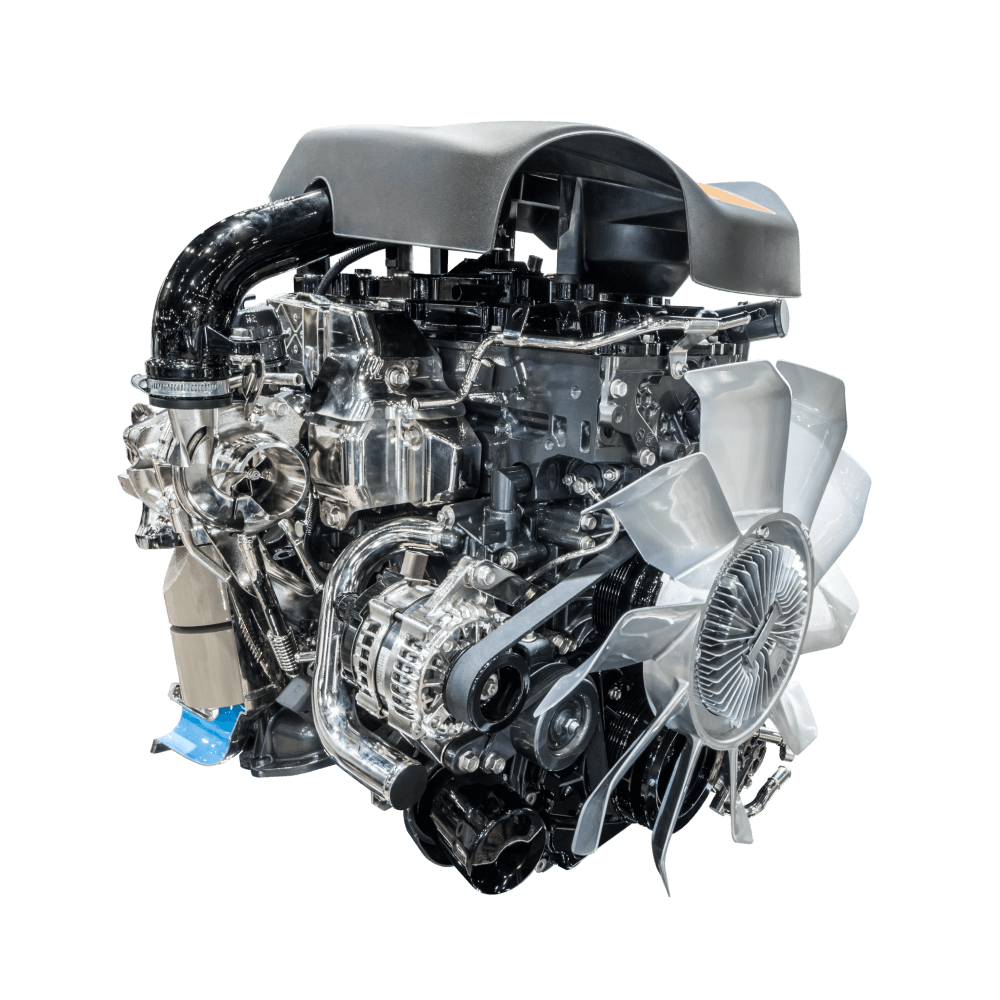
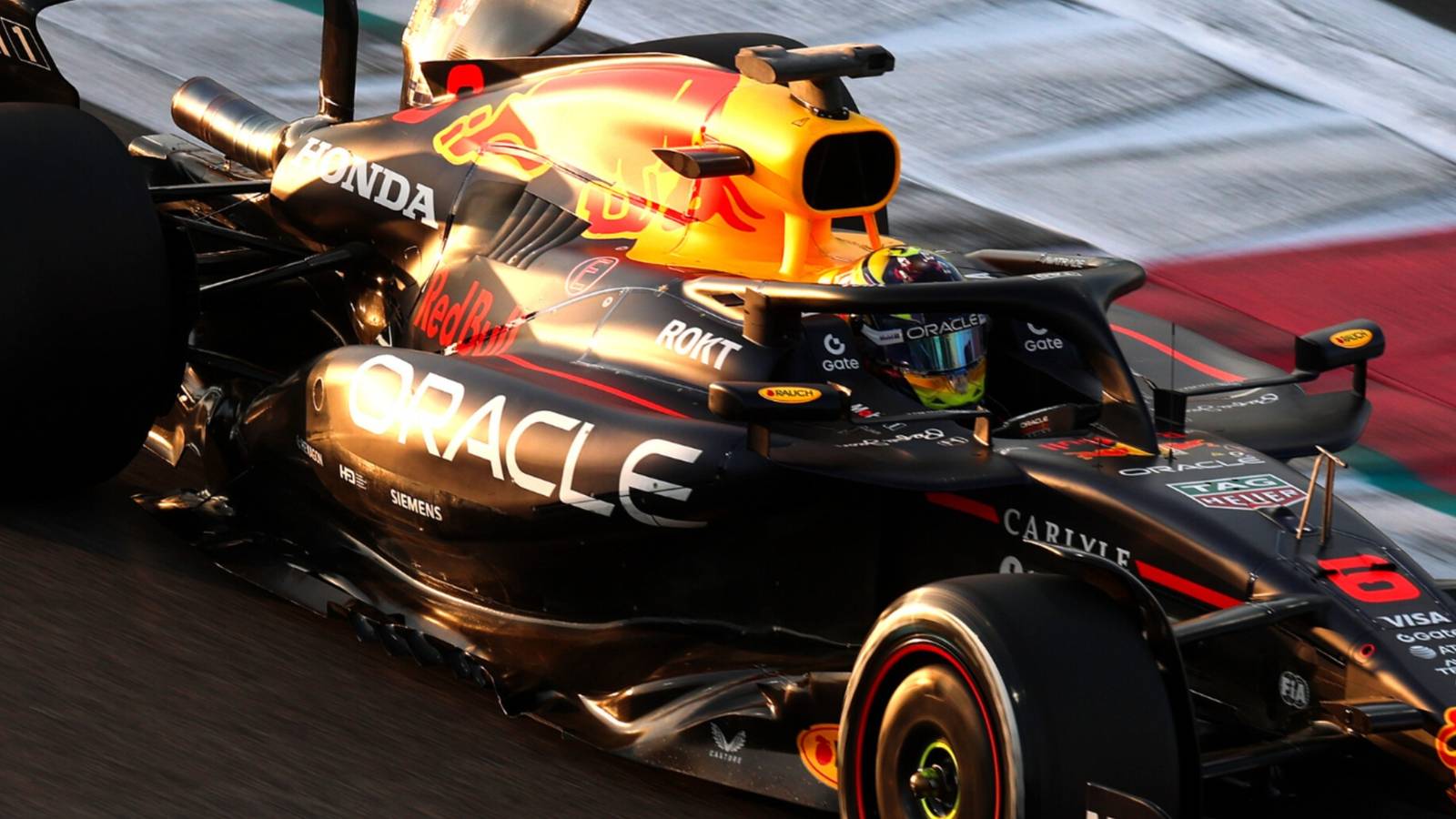
That reality is shaping Ford’s return to Formula 1 through a full engineering partnership with Red Bull Powertrains to build a power unit for the 2026 regulations from the ground up. The objective is clear: build a competitive engine while developing technology that will feed directly into future Ford road cars. Simple enough, right?
Ford’s first major advantage in the program is manufacturing speed. Prototype engine components that once required sixteen days to produce can now be completed in about five, using Ford’s industrial 3D printing systems. Engineers are already fabricating combustion parts, charge-air hardware, and energy-recovery components that move back and forth between Michigan and Milton Keynes for ongoing refinement. Faster production cycles mean more opportunities for testing before the first power unit reaches a dyno.
In modern Formula 1, time is currency. Established manufacturers arrive with years of hybrid power unit experience. Ford and Red Bull are buying back that deficit by compressing the development timeline.
With a wild V10 hybrid setup and extreme aero, the Red Bull RB17 is designed to deliver true race-car performance for private owners.
Getty Images / Red Bull Content Pool
In F1, control software and energy strategy often determine performance as much as mechanical design. To accelerate that side of development, Ford Racing engineer Kevin Ruybal created a simulation system called XROM that runs roughly one thousand times faster than real time.
This allows teams to test engine behavior, hybrid response, and drivability long before physical components exist. Drivers can evaluate power delivery in simulators. Calibration engineers can shape control logic early and by the time hardware arrives, much of the foundational work is already complete.
“We are using the world’s most innovative laboratory to ensure our customers get the innovation they deserve.”
This is important under the new 2026 regulations, where electric power plays a larger role in lap time. Early control development reduces the risk of costly redesigns later. The same strategy also reflects how future performance hybrids and EVs will manage power delivery and efficiency. Formula 1 simply pushes those systems to their limits first. What stands out to me is how little of this program is actually about traditional engine building. Ford is treating Formula 1 like a high-speed technology lab, and that feels like the right way to attack a regulation reset.
Ford invests $5B in new EV platform and factory to launch a $30K midsize electric truck in 2027 with Mustang-like performance and a new platform.
Electrical energy is central to the 2026 F1 rules, so Ford has built a dedicated battery lab for the program. Engineers are focused on a difficult balance. Maximum power delivery on track without sacrificing battery health. Dynamic programming tools guide when to deploy stored energy to gain lap time and when to conserve it. At the same time, cell management software monitors temperature and state of charge as energy is rapidly extracted and replenished.
The lessons translate directly to road vehicles. Thermal control, charge optimization, and degradation management are the same challenges faced by electric trucks and performance EVs. F1 provides a high-stress environment to develop solutions that later improve charging speed, durability, and real-world range.
Ford’s partnership with Red Bull Powertrains is an F1 program built around development speed. Rapid manufacturing, ultra-fast simulation, and advanced energy management form the foundation.
If the approach succeeds, Ford reaches the 2026 grid with a competitive power unit and a pipeline of technology ready for future road cars. In today’s Formula 1, the race begins long before the starting lights. Ford is making sure it starts ahead.
We want to hear from you! Share your opinions in the thread below and remember to keep it respectful.
Your comment has not been saved
This thread is open for discussion.
Be the first to post your thoughts.