Cox Automotive Inc.
Erin Keating
Cox Automotive Executive Analyst
Erin Keating is an Executive Analyst and Senior Director of Economic and Industry Insights at Cox Automotive. She has 25 years of experience in marketing and communications, including 10 years with Audi of America, where she also ran Audi Motorsport North America. With a focus on the wider industry, the individual automakers, and consumer shopping and buying behavior for new vehicles, Erin provides analysis and insights leveraging the breadth and depth of data from DRiVEQ, Cox Automotive’s data intelligence engine. Upon joining Cox Automotive, Erin was responsible for Enterprise Data Strategy – Partnerships. Erin is based in Atlanta.
The automotive industry begins 2026 with tighter inventory conditions following a strong December, with sales up nearly 12% month over month. The latest data suggests accelerated sales velocity through the end of the year resulted in a shrinking buffer of stock, a dynamic that carries both opportunity and risk as manufacturers navigate model-year transitions and the start of a new year.
Total Inventory
as of Jan. 1, 2026
Days’ Supply
Average Listing Price
According to Cox Automotive’s vAuto data, new-vehicle inventory levels began January at approximately 2.8 million units, down 4.8% from the same timeframe one year ago and representing a 76-day supply, down sharply from 92 days just one month ago.
Month over month, inventory fell precipitously from the revised 3.0 million units in early December to 2.8 million at the start of January, a decline of nearly 8% that pushed days’ supply down from 92 to 76 days. This represents the steepest month-over-month contraction in recent memory and raises questions about whether the reduction reflects deliberate production discipline, robust holiday sales, or supply chain constraints bleeding into the new year.
The evidence suggests a combination of all three. Strong December selling, aided by a typical upswing in luxury sales, as well as aggressive year-end incentives on remaining 2025 models and lingering EVs, which cleared aging inventory while manufacturers held back 2026 model releases to maximize pricing power. This means we will have leaner lots entering the critical first quarter, just as we expect higher consumer tax refunds to drive volume. Whether this positioning proves strategic or constraining depends on how quickly production can scale to meet what could be a healthy start to a year projected to slow in the second half.
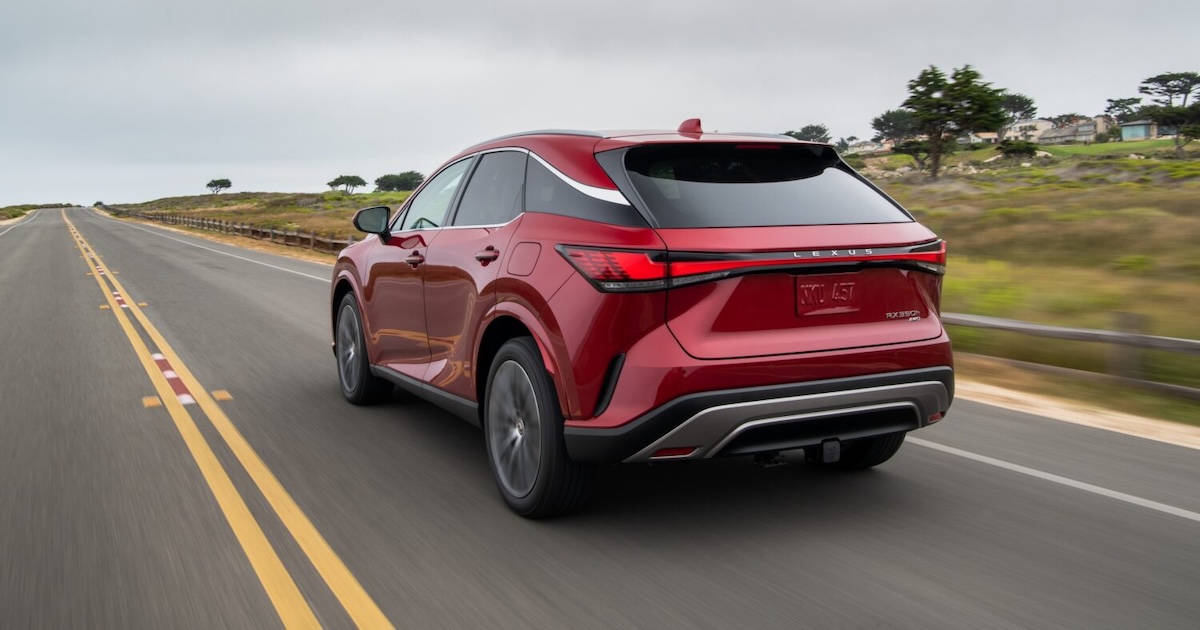
The gap between inventory leaders and laggards continues to widen. Lexus and Toyota demonstrate supply discipline at its finest, moving inventory at 28 and 33 days’ supply, respectively, half the industry average. Honda follows at 49 days, while Land Rover’s 42-day supply reflects both brand strength and limited production volume. These brands have mastered the fine art of inventory management, maintaining pricing power while sustaining healthy sales.
At the opposite extreme, Stellantis brands dominate the problem-child category. Chrysler sits at more than twice the industry average as measured by days’ supply, Jeep at 130 days and Ram at 115. Yet we know CEO Antonio Filosa and his brand chiefs are hard at work trying to right-size the product line-up and pricing. Volkswagen’s 143-day supply signals deeper issues for the German brand’s mainstream ambitions, while Lincoln’s 133 days suggests Ford’s luxury bet continues to struggle for traction.
What’s most interesting is that despite the ever-present affordability alarm bells, there are 10 brands that have an average listing price of under $40,000, and yet only two, Honda and Subaru, have days’ supply lower than the national average. The remaining eight are all 88 days or above, while the 10 combined represent over one million “affordable” units on the ground at dealerships. This reinforces the notion that many price-sensitive customers have simply exited the new-vehicle market rather than trading down to more affordable options.
Average listing prices climbed to $50,465, up 1.2% year over year and rising through late December to end the month 2.2% above November. But the price segmentation story reveals underlying stress. As noted, vehicles with an average listing price at $40,000 and below linger longer while luxury models over $75,000 turn at just 63 days, the fastest in the market – another example of our K-shaped economy where affluent buyers sustain premium segments while mainstream consumers either stretch into higher segments or defer purchases entirely.
Additionally, many automakers have already declared that the tariff burden absorbed in 2025 will need to be passed on to the consumer in some way throughout 2026. That will likely be applied strategically, based on competitive dynamics. But prices will rise, given the billions of dollars the industry has already absorbed as a loss while uncertainty prevailed. Of course, there is still the USMCA Trade Agreement to consider, which is up for renegotiation in July. Recent comments from the White House suggest those negotiations may be far less than collaborative.
The automotive market enters 2026 with tighter inventories, persistent pricing pressures, and widening disparities among brands. As our team has stated before, there is reason for optimism in the early part of 2026, as moderating auto loan rates entice shoppers, higher tax returns and lower tax burdens pour more money into the economy in the months ahead.
Erin Keating
Cox Automotive Executive Analyst
Erin Keating is an Executive Analyst and Senior Director of Economic and Industry Insights at Cox Automotive. She has 25 years of experience in marketing and communications, including 10 years with Audi of America, where she also ran Audi Motorsport North America. With a focus on the wider industry, the individual automakers, and consumer shopping and buying behavior for new vehicles, Erin provides analysis and insights leveraging the breadth and depth of data from DRiVEQ, Cox Automotive’s data intelligence engine. Upon joining Cox Automotive, Erin was responsible for Enterprise Data Strategy – Partnerships. Erin is based in Atlanta.
Erin Keating
Cox Automotive Executive Analyst
Erin Keating is an Executive Analyst and Senior Director of Economic and Industry Insights at Cox Automotive. She has 25 years of experience in marketing and communications, including 10 years with Audi of America, where she also ran Audi Motorsport North America. With a focus on the wider industry, the individual automakers, and consumer shopping and buying behavior for new vehicles, Erin provides analysis and insights leveraging the breadth and depth of data from DRiVEQ, Cox Automotive’s data intelligence engine. Upon joining Cox Automotive, Erin was responsible for Enterprise Data Strategy – Partnerships. Erin is based in Atlanta.
The Cox Automotive Economic and Industry Insights team is closely monitoring tariff developments and regularly publishing insightful commentary and analysis as appropriate.