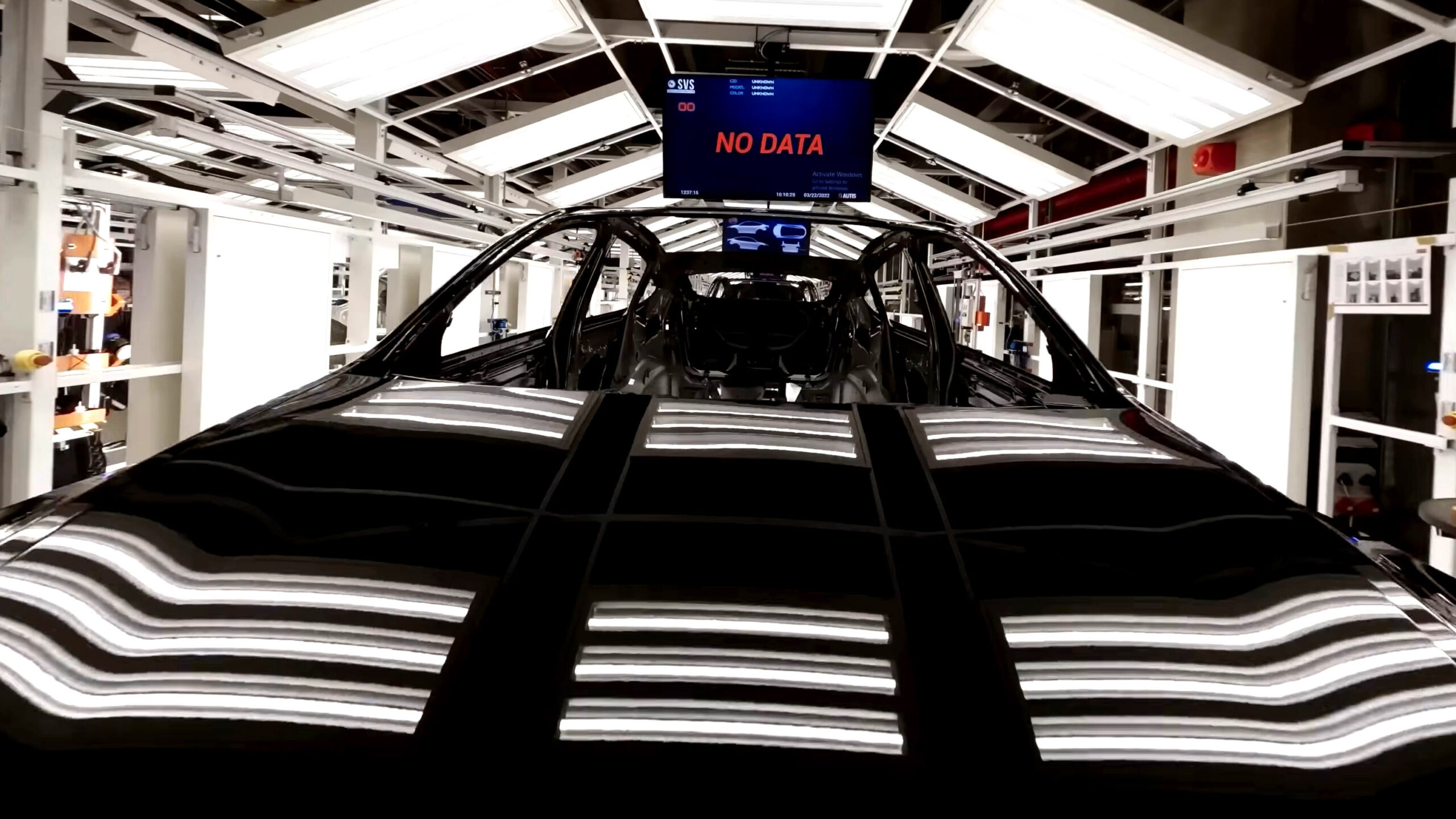
Canada will cut red tape, allowing new Chinese EVs to gain local certification in as little as eight weeks
Thanks to a major new trade agreement between Canada and China, electric vehicles shipped from China will now face just a 6.1 percent tariff rather than the steep 100 percent rate previously in place.
That’s a dramatic drop, and while it means Chinese EVs will soon become significantly more affordable for Canadian buyers, the automaker poised to benefit most might not be Chinese at all. Tesla, it turns out, could be the real winner here.
Read: Premier Ford Warns Canada’s PM Not To Drop Chinese EV Tariffs During Beijing Visit
The deal allows up to 49,000 vehicles to be imported annually under the lower tariff, with room for that figure to climb to 70,000 within five years. Tesla had already started exporting cars from its Shanghai facility to Canada in 2023, but that effort stalled when tariffs spiked in 2024, pushing the company to pivot production for Canadian-bound vehicles to its US and German plants instead.
Green Light for Shanghai Builds
With the trade doors open again, Tesla now has a clear path to resume building Canada-specific models in Shanghai and shipping them over. It sent more than 44,000 EVs from China to Canada in 2023, making it well-positioned to jump back into the market.
Thanks to its production capacity in Shanghai and its already established sales infrastructure in Canada , Tesla is likely to be one of the first to take advantage of the new rules.
There’s a catch, though. Under a clause in the agreement, half of the annual 49,000-vehicle quota is earmarked for cars priced under CA$35,000 (about $25,000 USD). Since Tesla doesn’t currently offer any models at that price point, it won’t be able to dominate the full quota on its own.
Polestar Primed to Pounce
Geely is also expected to benefit from the tariff change, particularly through the Polestar and Volvo brands. As reported by Bloomberg, Transport Canada has also confirmed that red tape will be slashed, meaning new Chinese EVs will be certified for local sale within just eight weeks.
What’s still unclear is how the Canadian government will divide the 49,000-vehicle quota among various automakers. Will Tesla and Geely flood the pipeline with Chinese-built EVs to grab as much of the allowance as they can? That remains to be seen.
Either way, the trade deal is good news for those interested in getting behind the wheel of one of China’s many class-leading EVs.
Google News
MSN Start
Brad Anderson’s lifelong affair and fascination with cars started young. Before even graduating high school,… Read full bio
Related Article