

Facebook is critical to our success and we could use your help. It will only take a few clicks on your device. But it would mean the world to us.
Here’s the link . Once there, hit the Follow button. Hit the Follow button again and choose Favorites. That’s it!
Norway is the world leader for changing how people think about cars.
Electric vehicle and the flag of Norway.
Electric cars have emerged as one of the most promising tools for cutting emissions and lightening the heavy footprint caused by carbon-based fuels. While the United States continues to face challenges like cost, infrastructure, and consumer confidence, Norway has achieved what once seemed impossible.
In 2025, nearly all new cars purchased in Norway were fully electric. Understanding how Norway succeeded offers valuable insight into how the U.S. could better transition to cleaner transportation.
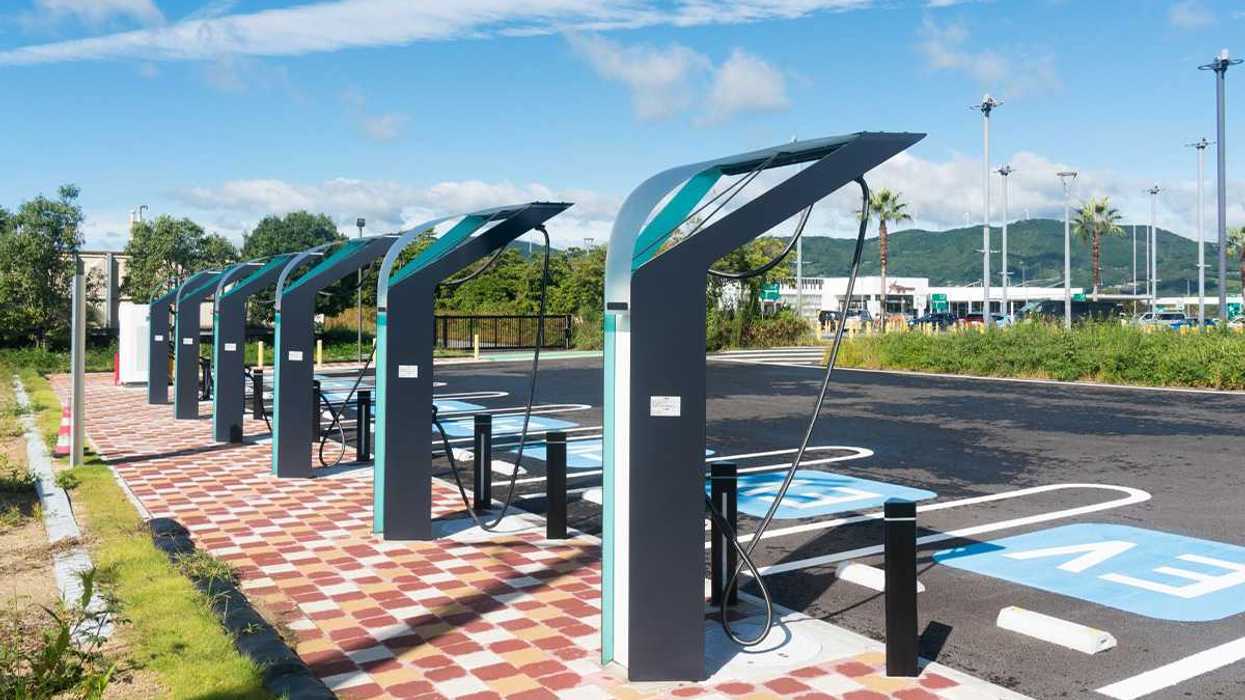 A parking lot for charging electric vehicles.Photo credit Canva
Of the new cars registered in Norway for 2025, 95.9% were electric vehicles (EVs). The country’s move toward EVs was successful not only in pushing short-term strategies, but also in thinking beyond the horizon. In a country known for its cold, mountainous terrain, it seemed an unlikely place for moving off petrol-based cars. After all, with the limited travel distance by electric cars and the need for expensive infrastructure like charging stations, it doesn’t seem like a good pairing.
The Norwegian government started by making electric vehicles cheaper. Norway has an expensive value-added tax (VAT) that makes new cars more expensive. To encourage purchases of the more carbon-efficient vehicles, this tax, as well as import duties, were waived. They reduced parking fees, tolls, and ferry fees, adding more incentives to make EVs less costly overall than fossil-fuel cars.
Norway also invested in creating an extensive infrastructure, making access to even the most remote areas possible with an electric car. A 2025 study showed Norway’s EV infrastructure was advocated through strategic fast-charger placement and ongoing innovation. They built over 27,000 public charging points nationwide capable of serving 447 chargers for every 100,00 people.
Yet, it’s not only tax incentives and infrastructure that brought about the monumental move toward greener transportation. Clean and reliable electricity from Norway’s hydropower stations means the grid itself is more world-conscious. Their consistent long-term policies have kept incentives in place for many years, giving consumers and the automakers more confidence in making a greener future.
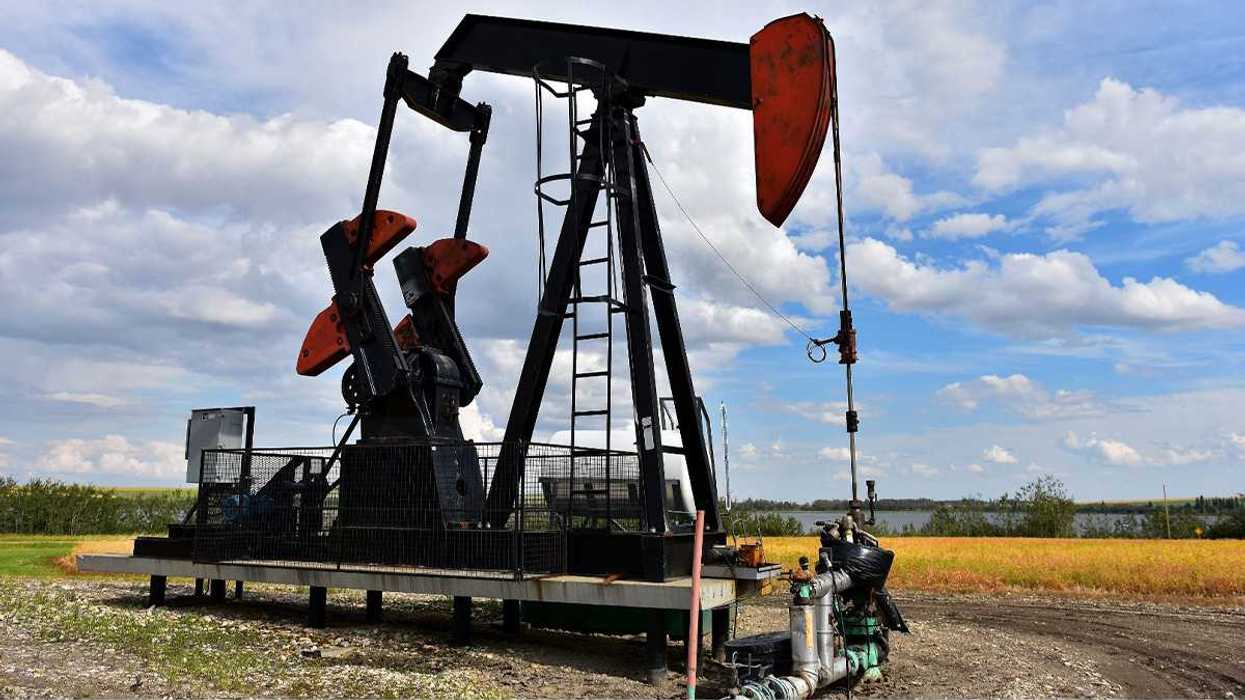 Oil production.Photo credit Canva
The benefits of EVs are not as cut and dry as we’ve been led to believe. A 2025 study revealed that electric cars produce more pollution, especially from the manufacturing of batteries, than gas cars during initial creation. But after about two years, electric vehicles become cleaner. They help reduce harmful air pollution and cause much less damage to human health on the planet—about one-third as much.
EVs are expected to increase environmental benefits in the coming years, much like solar and wind. According to the U.S. Department of Energy, not only are electric vehicles more energy-efficient, but they also have lower fuel costs over time and reduce the carbon footprint. The value is significant in areas with less-clean electricity and even more so in areas powered by renewable sources. A 2024 study by the University of Houston showed the environmental benefits grew over time. Not only was there improved air quality as well as reduced fuel and energy costs, but there were also fewer premature deaths.
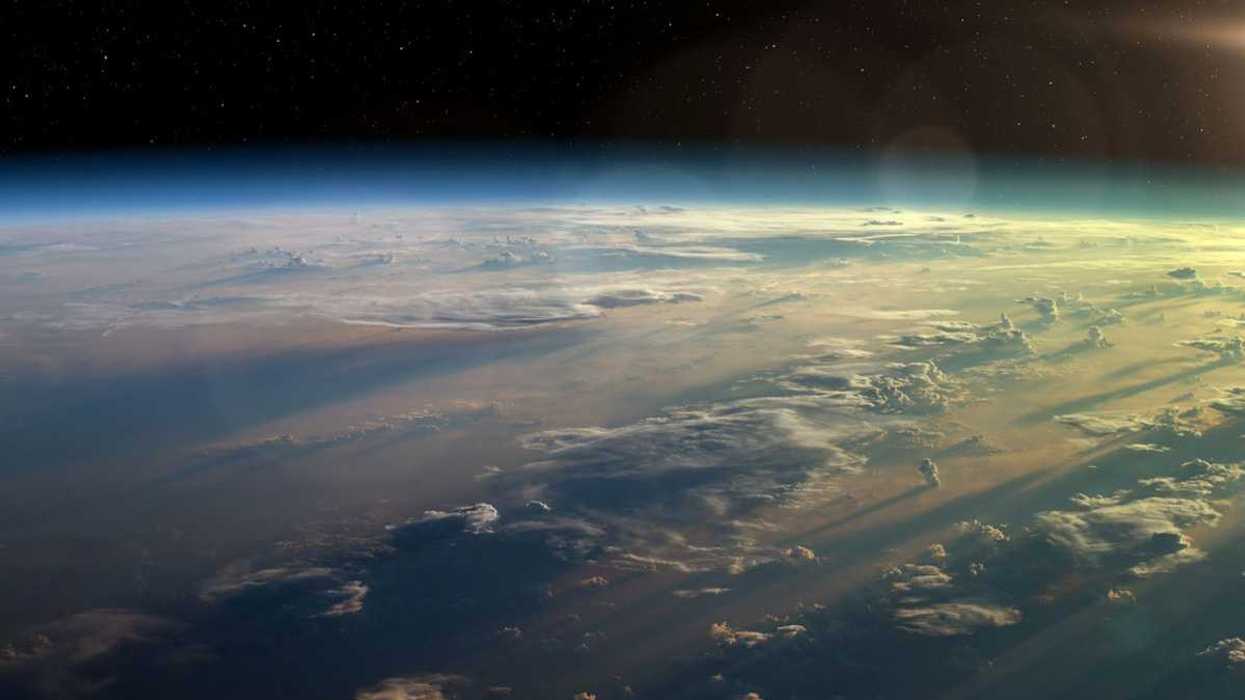 Sun shines over the Earth.Photo credit Canva
Electric cars have been more difficult to adopt in the United States. A 2024 study showed that the upfront costs of an EV were a significant reason for consumer hesitation. Trends show buyers want cars under $45,000, and most are priced much higher than that. Also, there is a significant lack of infrastructure without charging stations available or reliable enough to make people comfortable with the switch, a term described as “range anxiety.”
Concerns over maintenance, long-term costs, battery repair, and reliability makes the purchase less likely. Analysis from industry leaders revealed that fewer attractive options make it harder to connect with the average buyer. In 2021,The National Bureau of Economic Research reported that government incentives and sociopolitical differences across states made EV demand uneven.
Norway has done something significant in the race to find more sustainable ways to meet energy demands while decreasing the amount of harm to the environment. The success of the EVs demonstrates that large-scale change happens when clean choices become easier and cheaper. The small country offers a powerful blueprint of sustained policy, smart infrastructure investment, and practical incentives to shift behavior. With culture wars, consumer perception, and resistance to simple virtue signaling, the US has a challenging road to follow. Hopefully, Norway has set a standard and path worth trying anyway.
(LEFT) Melipona stingless bee and (RIGHT) Map Peru with tac on Amazon
For centuries, indigenous communities in Peru have relied on stingless bees. These crucial pollinators are responsible for the heavy lifting in maintaining a diverse ecosystem, preserving crops, forests, and even local culture.
Tiny, stingless bees buzzing around the Peruvian Amazon just became the first insects in the world granted legal rights. In landmark legislation, these high-altitude bees have fundamental rights to flourish under penalty of law.
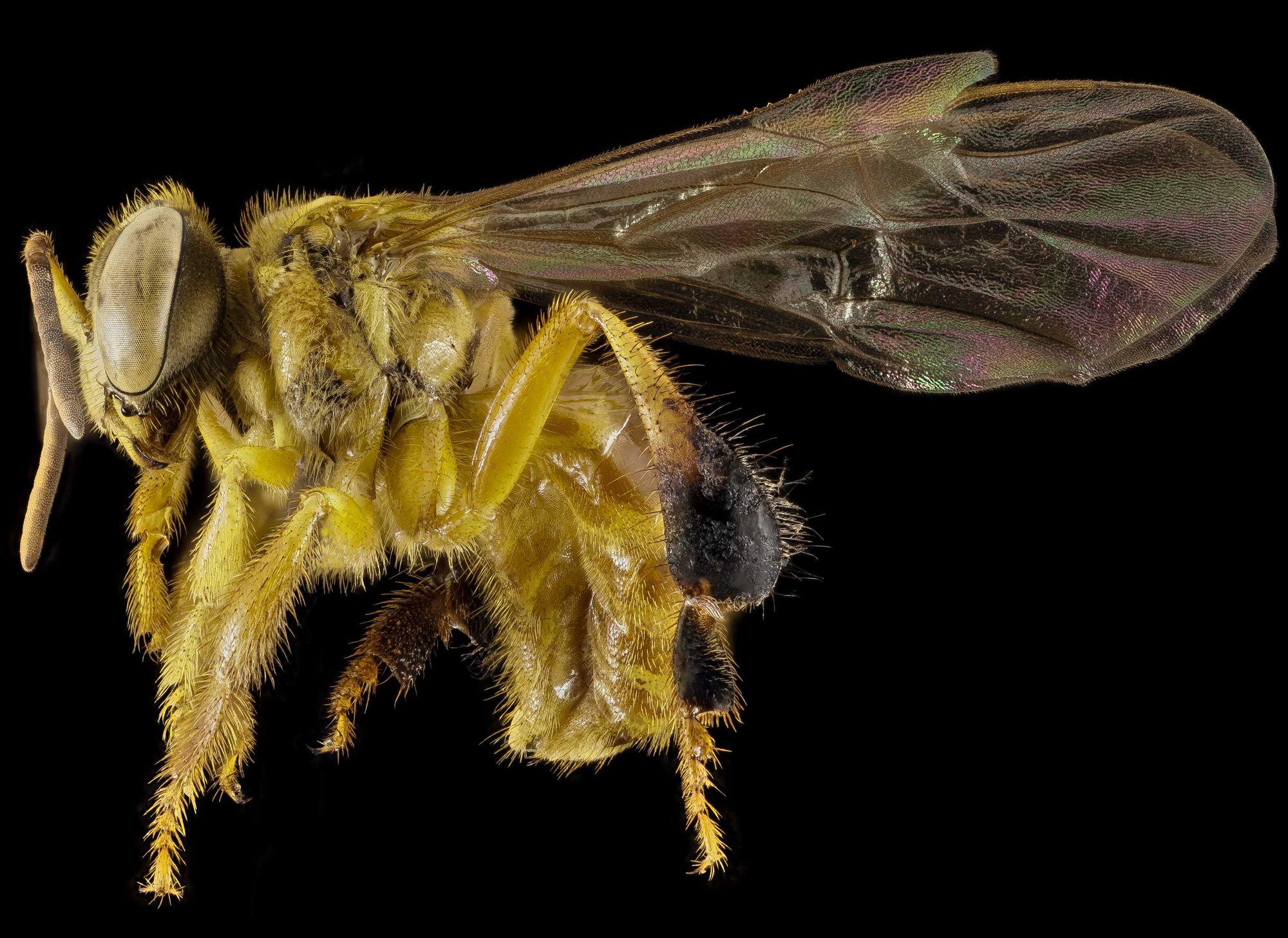 Peru stingless bee.USGS Bee Inventory and Monitoring Lab/ Wikimedia Commons
A massive step toward conservation was made in Peru at the end of 2025. Two ordinances, the first in Satipo in October and the second in Nauta in December, gave the Peruvian stingless bee legal rights. The policies designed to give the bees a better chance for survival include restoring habitats, reining in harmful chemicals, supporting research, and implementing climate action.
The law allows the Peruvian people to bring lawsuits on behalf of the insects. Rosa Vásquez Espinoza, founder of Amazon Research Internacional, a group attempting to preserve the ecosystem and Indigenous knowledge, was quoted in Smithsonian Magazine saying, “These bees are key to life in the Amazon.” Espinoza continued, “They are the most efficient pollinator of the most important crops we have here. But they are also indirectly contributing to carbon capture by keeping our forests and our trees alive and regenerating.”
 Indigenous Peruvian people.Photo credit Canva
Indigenous people cultivate the bees for their honey and pollen. Their honey can be used for glue, candles, and even arrow-making. According to 2024 research in Springer Nature Link, there were 22 documented different uses for honey, ranging from food to religious practices.
Conservation of the bees not only ensures genetic diversity for the wild species, but also helps secure the health of the local forest and ecosystem. In 2025, the Journal of Ecology and Environment reported that 75% of the local crops were supported by the bees, maintaining seed productivity and fruit farming.
See on Instagram
A 2025 study in Nature and Health Alliance found that 28 stingless bee species had medical health benefits in the treatment of cancer, type-2 diabetes, obesity, and COVID-19. A 2025 study in Science Direct showed the unique biochemical diversity of stingless bee honey had ecosystem adaptability, cultural uses, and met important food standards.
Because of the bees’ adaptability in high-elevation areas, they are vital pollinators with a significant impact on ecosystem resilience and local agriculture. A 2024 study in Scientific Reports documented concerning annual losses of stingless bee colonies in Latin America. The need for bee conservation was highlighted by a fragile balance between bee management and sustainable farming.
Stingless bees are essential caretakers of tropical ecosystems all over the world. Like in the Peruvian Amazon, hundreds of different plant species are supported by bee pollination and used to feed local communities. With climate change and habitat loss, legal attention and lawful rights can hopefully shift the balance to save these vital, tiny pollinators.
Watch this short documentary on the indigenous Asháninka people’s beekeeping in Peru:
– YouTube www.youtube.com
Representative Image Source: English can be a colorful language
Accents reflect the unique ways people speak, and with over 8 billion people on the planet, those differences are endless. Some say “toe-may-toe,” others “toh-maa-toh.” Some say “Koh-fee,” while others prefer “Kaw-fee.” Rooted in geography, culture, and social interaction, these diverse accents make the world a more vibrant place. Dan Vineberg, a vlogger known as The New Travel on YouTube, captured this diversity in a video featuring 65 distinct English accents—and it’s nothing short of impressive.
English is spoken worldwide, with an estimated 1.46 billion speakers in 2023—about 1 in every 5 people, according to WordRated. Yet, how it’s spoken varies greatly by region. Dan’s video offers a global journey through these accents, capturing the diversity of English as spoken in different corners of the world. “A collection of English accents that I filmed in interviews, between 2019 – 2024,” he wrote in the video caption.
In the video, Dan is behind the camera interviewing 65 random people, asking them where they’re from and how many languages they speak. While some people go on to say that they speak up to three languages, others say they can speak barely one. For his interviews, Dan included both native English speakers as well as non-native ones, the people who picked it up as a second, third, or even fourth language. There were also the people who were just beginning to grasp the basics of the language. Overall, the video showed English accents ranging from Irish to British, from Punjabi to French, from Chinese to Scottish, from Mexican to German, and from Japanese to Italian, among others.
Different accents not only serve as social markers but also epitomize the harmony that exists in the world despite that it brims with diversity. Accents not only depict diversity but also heritage.
 Representative Image: Even unseen you can learn a lot from an accent. Photo credit: Canva
So, no wonder, over 3,000 people shared their comments on Dan’s video, writing how good they felt watching it. “This video reminded me how different people are from each other and for some reason it makes me happy,” commented @rena-b5r. @mars-pb2yh added, “I freaking love these types of videos where we can just see how diverse our planet is and much cultural value is held by these people.” Reflecting upon a deeper insight, @nostalgicrazy said, “We need more of these to remind the world we’re all just people learning and living the best we can. You can see how their faces light up when they talk about or in their language. Wish the world was always this easygoing!”
This article originally appeared last year.
President Donald J. Trump and photo of a forest.
There doesn’t seem to be much agreement happening in the U.S. right now. Differing moral belief systems, economic disparity, and political divide have made a country with so many positives sometimes feel a little lost. Everyone desperately seeks a niche, a connection, or a strong sense of community to which they can feel a “part of,” rather than just “apart.”
But there seems to be one thing that the country strongly unites over, and that’s the “Roadless Rule.” With the Trump Administration attempting to roll back conservation policies that protect U.S. National Forests, Americans are saying in harmony an emphatic “No.” A nonpartisan conservation and advocacy organization, the Center for Western Priorities, reviewed a comment analysis on the subject. After receiving 223,862 submissions, a staggering 99 percent are opposed to the president’s plan of repeal.
 People holding hands in unity.Image via Canva – Photo by osmanpek
The Roadless Rule has a direct impact on nearly 60 million acres of national forests and grasslands. According to the U.S. Department of Agriculture, the rule prohibits road construction and timber harvests. Enacted in 2001, it is a conservation rule that protects some of the least developed portions of our forests. It’s considered to be one of the most important conservation wins in U.S. history.
America’s national forests and grasslands are diverse ecosystems, timeless landscapes, and living treasures. They sustain the country with clean water and the wood products necessary to build our communities. The National Parks protected under their umbrella offer incredible recreational retreats and outdoor adventure.
 White House with money image overlay.Image via Canva – Photo by Douglas Rissing
U.S. Secretary of Agriculture Brooke L. Rollins told the Department of Agriculture in a 2025 press release, “We are one step closer to common sense management of our national forest lands. Today marks a critical step forward in President Trump’s commitment to restoring local decision-making to federal land managers to empower them to do what’s necessary to protect America’s forests and communities from devastating destruction from fires.” Rollins continued, “This administration is dedicated to removing burdensome, outdated, one-size-fits-all regulations that not only put people and livelihoods at risk but also stifle economic growth in rural America. It is vital that we properly manage our federal lands to create healthy, resilient, and productive forests for generations to come. We look forward to hearing directly from the people and communities we serve as we work together to implement productive and commonsense policy for forest land management.”
Forest Service Chief Tom Schultz explained the Roadless Rule frustrated land management and acts as a challenging barrier to action. It prohibits road construction needed to navigate wildfire suppression and properly maintain the forest. Schultz said, “The forests we know today are not the same as the forests of 2001. They are dangerously overstocked and increasingly threatened by drought, mortality, insect-borne disease, and wildfire. It’s time to return land management decisions where they belong – with local Forest Service experts who best understand their forests and communities.”
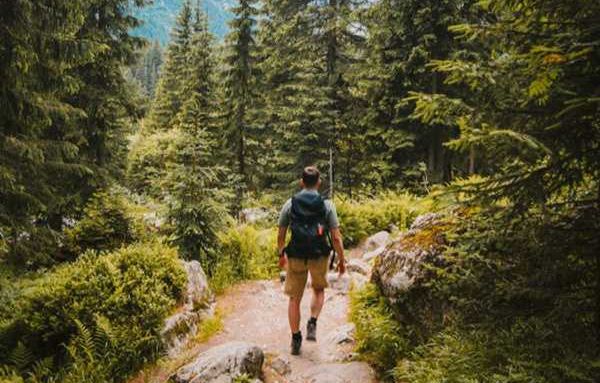 Man walks forest trail.Image via Canva – Photo by Josh Hild
A 2025 article in Earthjustice, a nonprofit environmental law organization, expressed its concern over the protection of national forests covering 36 states and Puerto Rico. A rescinded rule allows increased logging, extractive development, and oil and gas drilling in previously undisturbed backcountry. Here is what some community leaders had to say about it:
President Gloria Burns, Ketchikan Indian Community, said, “You cannot separate us from the land. We depend on Congress to update the outdated and predatory, antiquated laws that allow other countries and outside sources to extract our resource wealth. This is an attack on Tribes and our people who depend on the land to eat. The federal government must act and provide us the safeguards we need or leave our home roadless. We are not willing to risk the destruction of our homelands when no effort has been made to ensure our future is the one our ancestors envisioned for us. Without our lungs (the Tongass) we cannot breathe life into our future generations.”
Linda Behnken, executive director of the Alaska Longline Fishermen’s Association, stated, “Roadbuilding damaged salmon streams in the past — with 240 miles of salmon habitat still blocked by failed road culverts. The Roadless Rule protects our fishing economy and more than 10,000 jobs provided by commercial fishing in Southeast Alaska.”
The Sierra Club’s Forest Campaign Manager Alex Craven seemed quite upset, saying, “The Forest Service followed sound science, economic common sense, and overwhelming public support when they adopted such an important and visionary policy more than 20 years ago. Donald Trump is making it crystal clear he is willing to pollute our clean air and drinking water, destroy prized habitat for species, and even increase the risk of devastating wildfires, if it means padding the bottom lines of timber and mining companies.”
The 2025 recession proposal would apply to nearly 45 million acres of the national forests. With so many people writing in opposition to the consensus, the public has determined they don’t want it to happen.
Tongass National Forest is at the center of the Trump administration’s intention to roll back the 2001 Roadless Rule. You can watch an Alaska Nature Documentary about the wild salmon of Tongass National Forrest here:
– YouTube www.youtube.com
The simple truth is we elect our public officials to make decisions. The hope is they do this for all of our well-being, although often it seems they do not. Even though we don’t have much power to control what government officials do, voicing our opinions strongly enough often forces them to alter their present course of action. With a unanimous public voice saying, “No!” maybe this time they will course correct as the public wishes.
Some house plants would love a drink of your A/C water.
During the hot spells of the summer season, people leave their air conditioners on for so long that they frequently produce water through condensation. This can be seen as a waste product and is often collected and tossed down the drain. However, some flower gardens and many house plants could benefit from it.
It turns out this water is typically good to use to quench the thirsts of several indoor house plants and outdoor flower beds, even better than tap water. This is because unlike tap water, the water produced from your air conditioner doesn’t contain any of the chemicals typically used in municipal water, such as fluoride and chlorine. Since the water is formed through condensation from the air, it’s not mixed in with any chemicals or minerals, such as calcium and magnesium.
Depending on the climate and the size of your home, an air conditioner could produce up to 20 gallons of water per day. Since so much of it is produced, it could be beneficial to set up a bucket to collect the water or a make-shift irrigation system to put the water to use. This could be a great source of water for ferns, spider plants, calatheas, and many other ornamental plants.
Why waste it? We collect air-con water every two days and reuse it—perfect for watering plants or cleaning!#tiktoksg #takeaction2025 Do check out my YouTube channel
However, there are some limitations and things to be aware of if you choose to use water from the A/C to nourish your plants. First, it’s not recommended to use this water for vegetables or other edible plants, as it’s not safe for human drinking. While the water is free of certain chemicals, there could be dust and microbiological fungi from the A/C’s filter and coils that isn’t safe for human consumption.
I hope this helps someone else! Especially in the hot summer months! #gardening #garden #water #rainbarrel #acwater #condensation #plants #wateringsystem #reuse #recycle
Also, the water is free of all chemicals and minerals, including nutrients that could be required for some plants and their soil. Depending on what plant life you have, you may want to incorporate your A/C-collected water into a different water mixture and pair it with fertilizer for beneficial effects. This all depends on the type of plants you’re growing and watering. If your plants prefer a more acidic environment, the A/C water should help them thrive, however it’s important to check the pH level of your soil to ensure that it’s correctly balanced.
– YouTube youtu.be
Even if you don’t have a green thumb, there are some other chores around the house that air conditioner water could help with. It can be used to clean laundry and steam-iron clothing as well, given that it’s “soft” water that won’t damage most fabrics. The collected water can help clean windows and mirrors, streak-free.
Water from your air conditioner can also be collected and used to help refill car battery and windshield wiper tanks in your vehicle. But again, it shouldn’t be used for washing dishes, showering, or anything that could cause those aforementioned dust, microbes, and fungi to be unintentionally ingested.
During this time of both environmental and financial conservation, a little thing like collecting the water produced by your air conditioner can be a money-saving boon without letting it go to waste.
Person works the rice fields and scientist tests the water.
Arsenic is a naturally occurring chemical element that can be found in rocks, soil, water, air, and, unfortunately, food. It’s highly toxic to humans and can bring about all kinds of neurological disorders and cancers. The World Health Organization (WHO) warns that long-term exposure to inorganic arsenic can lead to diabetes, cardiovascular disease, have adverse impacts on pregnancy outcomes, and trigger lung disease as well as kidney failure. Due to climate change, the amount of arsenic absorbed by rice is on the rise, posing serious health risks to crop safety and global health.
One simple solution to lowering the risk of arsenic exposure can be switching from brown rice to white rice. Brown rice still has the outer bran layer, and that’s where the majority of arsenic is stored once absorbed by the rice plant. White rice has the bran removed, taking the largest carrier of arsenic out of the food.
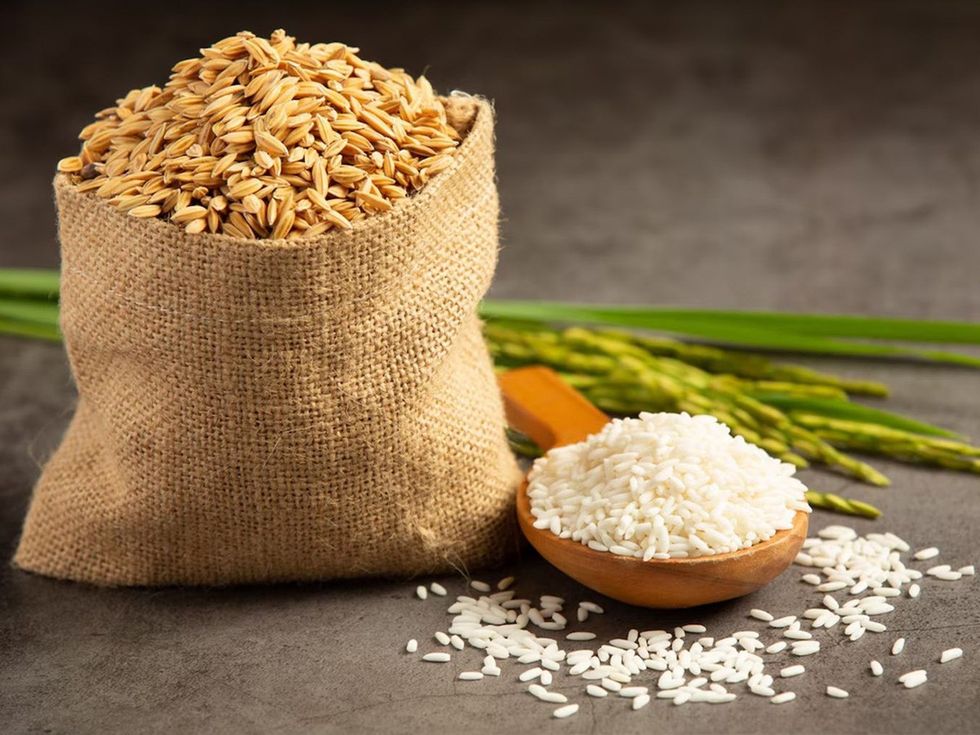 Rice grain and white rice.Image via Canva – Photo by gaotuthien
A 2025 study by researchers at Columbia University Mailman School of Public Health reported in The Lancet Planetary Health found the effects of climate change on rice are particularly alarming. Rice is grown by flooding fields with water. With rising temperatures and increasing CO₂ levels, the flooded soil can become starved of oxygen for extended periods of time. This change releases extra arsenic from the soil particles, allowing the rice roots to soak up more. Earth.com writes in a 2025 article, “Arsenic occurs naturally in many soils and waters. In paddies that stay flooded, oxygen dwindles. Iron minerals that normally bind arsenic dissolve, and arsenic becomes more mobile. Warmer conditions paired with higher CO₂ push that chemistry along, especially in fields that remain waterlogged.”
 Person eats rice.Image via Canva – Photo by kazoka30
These results are particularly concerning for Asian countries, as rice is a staple. The study projects a sharp rise in lifetime lung and bladder cancers. China is expected to see the largest increase, with an estimated 13.4 million cancers linked to the arsenic exposure from rice. Associate Professor at Columbia University Mailman School of Public Health Dr. Lewis Ziska, speaking on the problem through the school website, said, “ingesting rice in regions like southern China and Southeast and South Asia is already a significant source of dietary arsenic and cancer risk.” He continued, “As rice is a dietary staple in many parts of the world, these changes could lead to a substantial rise in the global burden of cancer, cardiovascular diseases, and other arsenic-related health issues.”
 Washing and rinsing rice. media1.giphy.com
Science Direct shared a 2021 Study which offered an improved approach for cooking rice that eliminates arsenic while preserving the natural nutrients. The method removes over 50% of the arsenic from brown rice and up to 74% in white rice.
The first tool to take into action is improved water management. Since paddies that are continuously flooded move more arsenic into the rice plants, periodically letting water levels drop before reflooding can introduce oxygen back into the soil. A 2022 study in the National Library of Medicine found that alternate wetting and drying had a significant positive effect.
One costly solution is better plant breeding. A 2025 study from Chhattisgarh, India, focused on arsenic accumulation within different rice genotypes. Evaluating 120 diverse rice genotypes revealed significant variation in grain arsenic concentration. The study indicates a potential for improved health and safety by selecting specific breeding varieties.
Recent studies have shown that brown rice contains higher levels of inorganic arsenic than white rice. Michigan State University researchers released a 2025 study reported in Risk Analysis showing the brown rice’s bran layer, which is retained during processing, contains 72-98% more inorganic arsenic. Also, brown rice contained 24% more total arsenic and 40% more inorganic arsenic when compared to white rice.
 Mother and daughter eating rice meal.Image via Canva – Photo by szefei
As environmental climate changes impact the world, science hopefully can continue to find ways for us to safely adapt. Brown rice is still a nutritious option, but its higher arsenic content poses more health risks for certain populations. Adapting farming and cooking practices and switching to white rice can reduce arsenic levels and mitigate some of these risks.
Are you adding too much mulch?
Many homeowners with yards have trees and want to keep them healthy, growing, and beautiful. It’s not just for aesthetics, but to also provide quality shade, a boost of oxygen, and, according to the Environmental Protection Agency, provide a cooler and greener environment for you and your neighbors. One of the things many tree owners know is that a layer of mulch can help the tree stay healthy. However, experts are saying that a recent trend is providing too much of a good thing.
More and more landscaping experts are seeing “mulch volcanoes” piled up around the base of tree trunks in yards, and it’s not as helpful as a person might think. While placing mulch around trees is healthy and recommended to help retain moisture, shy away weeds, and protect the roots from extreme heat, piling mulch high and too close to the trunk can actually hurt it—or even kill it.
just say no, to tree volcanoes!@Adam 🏞️ #wildlife #fypシ #foryou #conservation #outdoorlife #naturebasedsolutions #Nature #landscape
The issue, according to experts, is that piling the mulch too close to the tree’s base will attract the roots closer to the trunk rather than flaring out into the ground to find nutrients, as the mulch will likely be the closest, most nutrient-rich source. This can cause the tree to essentially strangle itself, a process known as “girdling.” On top of that, having too much mulch against the trunk of the tree can rot the bark, compromising the tree’s vascular system and inviting pests that thrive in that rotting moisture.
This isn’t just a problem for the tree, but for homeowners’ wallets. Not only are people spending too much money on more mulch than they need, they end up spending more on water since the mountain of mulch could absorb most of it before it reaches the tree itself. All of that money spent would lead to further expense because, if the tree dies, they would have to pay to get the now-dead tree removed and replaced. Essentially, the homeowner isn’t just literally killing their tree with good intentions and kindness, but putting themselves at a great financial risk in environmental losses.
What else do you want to know about landscape or fruit trees! 🍎 🌳 Let’s talk about mulching—because doing it wrong can hurt your trees more than help. ❌ Volcano mulch—piling mulch against the trunk—can trap moisture, invite pests,create girdling roots and cause rot. ✅ Donut mulch—a ring around the tree with space at the base—keeps roots happy and healthy! It funnels water, keeps feeder roots covered and gives the root flare room to breathe. Here’s how to do it right: 🌳 Mulch to the drip line for maximum root coverage. 🚫 Keep it away from the trunk to prevent rot and pests. 📏 Keep it 2–3 inches deep—too much can suffocate roots. 🤷Post your mulch madness stories in the comments below 👇. #treecare #gardeningtips #mulching #fruitgrowers #soilhealth #backyardorchard #organicgardening #permaculture #gardeninghacks
Landscapers recommend surrounding your tree with only two-to-three inches of mulch, and to keep it shallow so the tree gets the benefits of the mulch without the chance of rot. It’s recommended to “think donut, not volcano” in terms of mulch distribution so that the roots are encouraged to venture outward rather than clog up near the tree’s trunk to seek the mulch. As a side tip, a person can save money by buying less bags of mulch and using grass clippings, plants already growing in your yard, and compost as effective mulch rather than spending more at the garden center.
Whether it’s to create a beautiful yard for you and your family to enjoy or to contribute to environmental causes, it’s good to know how to best take care of your trees and vegetation. Like most things, trees can become great and majestic when they’re given plenty of time, care, and space to grow, and not accidentally smothered by good intentions.
Hand gently reaches toward honeybee.
In the face of a devastating world crisis of plummeting bee populations, science may actually come to the rescue. Honeybees have long been a crucial component of food production. Transferring pollen between flowers as they collect nectar helps maintain the biodiversity of not just crops, but also the wild plants that depend on them. Hoping to protect these animals from climate change and habitat loss, scientists have developed a new “superfood.”
A 2025 study published in nature discovered a way to create an edible yeast for the bees made from six important sterols. When food sources are low during the summer, this supplemental “superfood” could be the perfect answer. Offering a complete nutritional food source, the yeast can help the bees maintain healthier lifecycles and strengthen disease resistance.
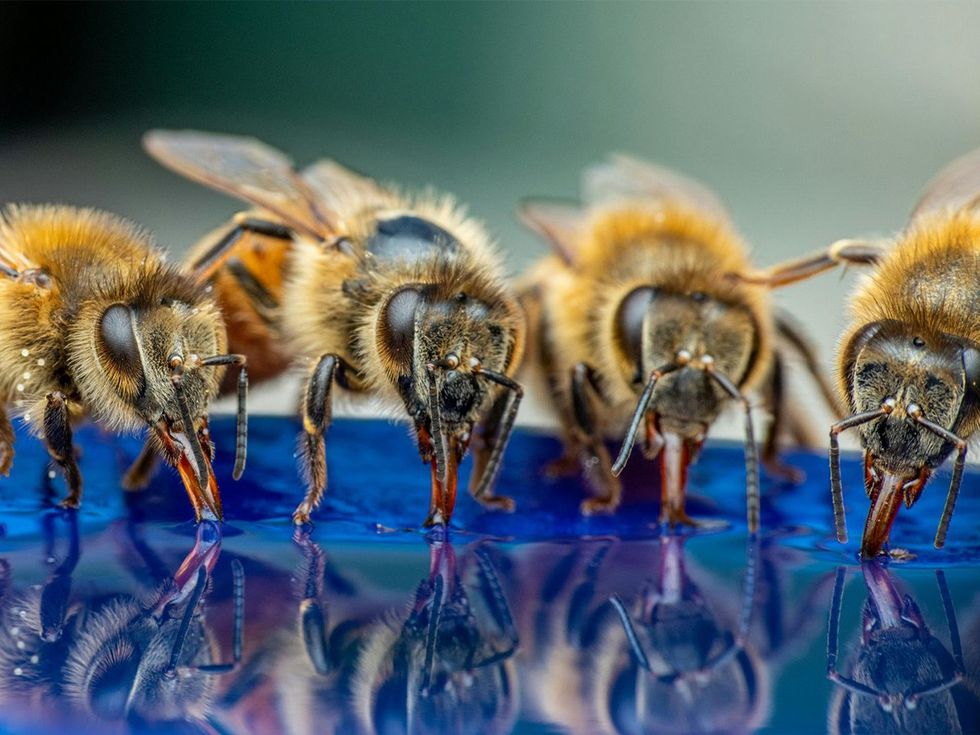 Bees feeding on food source.Image via Canva – Photo by Skyler Ewing
Honeybees feed upon floral pollen, which is supposed to provide all the proteins, fats, carbohydrates, and nutrients necessary for survival. With climate change and evolving agricultural practices, many bee colonies collapse from nutritional deficiencies and eventual disease. With fewer pollinators, crop yields suffer, and the price of food goes up. Bee farmers are facing increasingly challenging situations and have been leaning into food substitutes for decades. Unfortunately, these artificial food sources made from protein flour, sugars, and oils are incapable of meeting the nutritional needs of honeybees.
Professor Geraldine Wright at the University of Oxford told BBC News, “This technological breakthrough provides all the nutrients bees need to survive, meaning we can continue to feed them even when there’s not enough pollen.” The results are extremely promising. Bee colonies fed the food in the study were up to 15 times more likely to have baby bees make it to adulthood. The hope is that within the next two years, this food supplement could be made available to beekeepers and farmers. It’s truly a technological achievement that can revolutionize the agriculture industry.
The farms of the future aren’t just feeding us, they’re saving the honeybees too. The ability to monitor hive health, as well as cutting down or removing pesticide exposure, is crucial to restoring bee colonies. A 2023 study published in MDPI assessed the farming techniques of four farms in Greece. The study wrote, “… landscape design models for biodiversity enhancement are an important attribute of ecosystem services and require an understanding of specific geographical and landscape parameters to render models operational for bee farming and pollination.” Their findings showed the best way to build healthy farms while fostering safer, pesticide-free environments for the honeybees, grew larger fruits, and yielded 30% to 50% bigger crops. Creating healthier environments of natural wildflowers, monitoring for sickness and stress alerts of the bees, was a clear advantage to the farmers.
An article published in 2024 by The Scotsman looked into why the bee population was making a comeback in Denmarkfield, Scotland. A 90-acre project restoring nature to green spaces grew a population of 35 bees into 4,056 in just over two years. Managing the project, Ecologist Ellie Corsie said, “Due to intensive arable farming, with decades of ploughing, herbicide and pesticide use, biodiversity was incredibly low when we started. Wildlife had largely been sanitised from the fields. Rewilding the site has had a remarkable benefit.” With habitat loss being a major contributor to dwindling bee populations, projects like Rewilding Denmarkfield are leading the way for bee conservation.
Watch this video by Arirang News about honeybees and smart beehives:
– YouTube www.youtube.com
Pollinators like the honeybee are crucial for the world’s food security. A study in 2023 reported in Science Direct found 90% of all wild flowering plant species are dependent upon some form of animal pollination. Traditionally considered the most efficient pollinators, bees are crucial to maintaining the necessary food storage for the human population. Science starting to bring back bee populations is not only desperately needed, but it’s maybe even possible.
There’s a profound strangeness to the world’s deepest places.
Imagine standing at the entrance of a dark, mysterious cave, its passages twisting deep underground. While the thought of sliding into the unknown might spook most, for thrill-seekers, it’s just another day of exploration. The @ActionAdventureTwins, a duo of cave explorers on YouTube, captured this eerie experience by dropping a GoPro into one of the deepest pits in the US. The video, now a viral hit, has left many viewers with chills.
The video, posted by James and Edward, the @ActionAdventureTwins, has racked up 362,000 views and nearly a thousand comments. It also features guests Nate and Ben, identical twins from Pennsylvania who run their own adventure channel, @DeepFreedom.
“We took a GoPro down into the deepest pit in the U.S, and are the first people to drop it down to the bottom of this cave,” the team claimed in the caption but it should be noted that the cave has been explored and mapped by several speleologists for decades before this team. The spot in question here is the Fantastic Pit in Ellison’s Cave, located in Walker County on Pigeon Mountain in the Appalachian Plateaus of Northwest Georgia. It is the deepest unobstructed underground pit in the country at 586 feet. Ellison’s Cave is 12 miles long and 1,063 feet deep, making it the 12th deepest cave in the United States.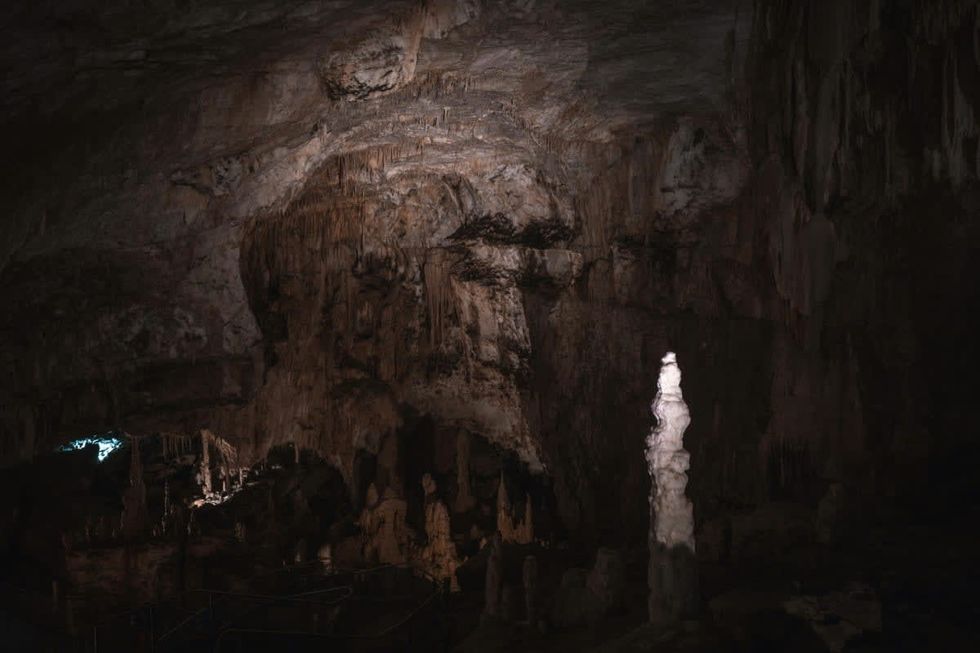 In the depths…Pexels | francesco ungaro
At the start of the footage, one of the twins explains, “We’re gonna rappel down like, 128 feet, and we’re gonna see the deepest cave in America, and we’re gonna drop a GoPro down it.” The duo stand at the rocky mouth of the pit, smeared with soil, tangled vines, thick bushes, and dried leaf mold.
The explorers drop the GoPro camera down the opening, sending it deep into the dark belly of the pit. The first drop is about 125 feet down. Then the GoPro is dropped down another pit with a depth of about 586 feet. The footage first depicts scenery of flying dust motes with the sounds of dripping water. The rope attached to the camera descends, cascading between the jagged rocky structures and craggy walls.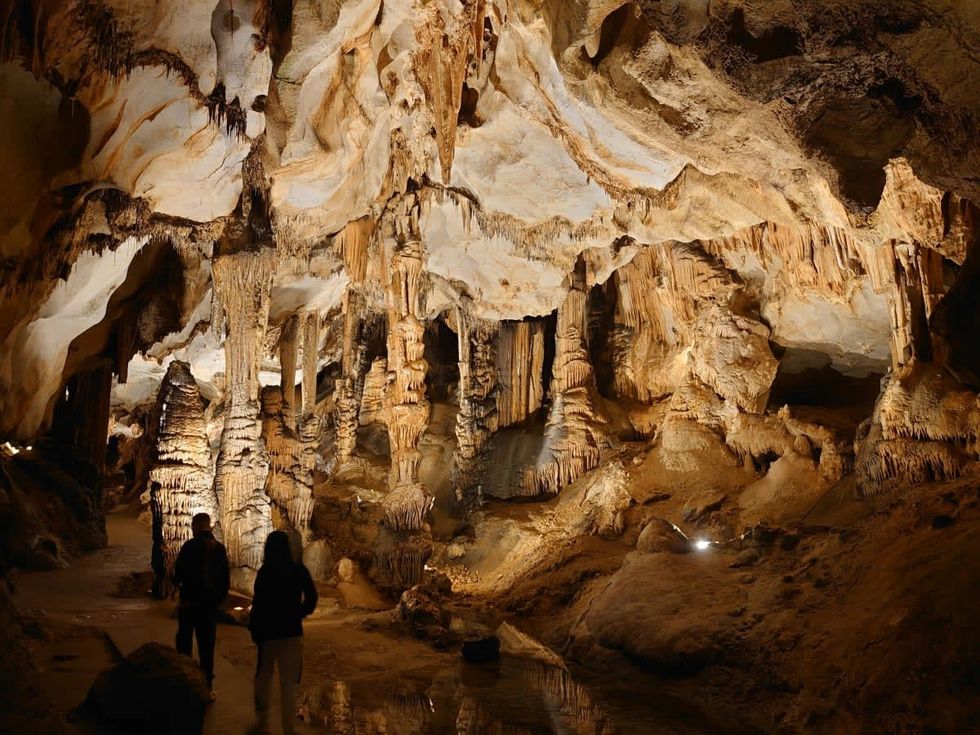 Hope the lights stay on. Pexels | parfait fongang
In a moment, the team sees a waterfall. “That’s cool,” they exclaim. As the camera goes deeper into the pit, the audio becomes muffled. The camera rotates in circular motion revealing the precipitous cave walls with monstrous accumulation of limestone formations and fractured gypsum rocks. The camera then flashes the bedrock of the cave mounded with stones and pebbles. At this time, the GoPro is 714 feet below the Earth’s surface.
Finally, they pull the rope upwards from the black abyss. While pulling it back, they almost seem to lose the camera as it gets entangled in the axle of the drill. One of the twins says at the end of the footage, “I don’t know what this footage looks like but I am just surprised we got the GoPro back.” “That was beyond crazy…” YouTube | @kennethprice5628
The footage of the shadowy chasm gave eerie vibes to several people. “I’m not going to lie, when it got to the bottom I was anxious for a second. I saw one of those white rocks and was like… omg is that a ghost,” commented @bombud1. @trilfiger448 added, “The muffled descending sound was terrifying! And the spinning…I was just waiting for something to jump-scare me.” “This is the stuff of my nightmares…”YouTube | @sk8ordie725
@waya420 said, “Honestly surprised, the bottom wasn’t full of water. It must drain out somewhere even deeper. It would be fun to explore it with a drone if you could.” “Totally blown away…” YouTube | @paulmillard1973
The footage was also shared on Instagram where it has 371k views and over 10k likes.
See on Instagram
If this wasn’t enough scary an experience, the pair of cavers twins descended the pit a second time in November 2023, this time going all the way down themselves. They spent 12 hours inside this cave, and narrated their experience in the caption, “We can’t believe we finally managed to drop down the pit after planning this for a long time. We will be back to this cave to see where it goes down there!”
This article originally appeared last year.





The CBD gummies are honestly enjoyable. They [url=https://www.cornbreadhemp.com/collections/thc-drinks ]weed drinks[/url] taste extreme and don’t bear the wiry hemp flavor that some products do. The surface is kind foolish but not sticky, and the portion size feels unprejudiced right. They’re affable to convey in a bag and accessible for use from the beginning to the end of the day.
The CBD fallout I purchased arrived quickly and was easily packaged like https://www.cornbreadhemp.com/products/full-spectrum-cbd-gummies . The instructions were vivid and relaxed to follow. The whole upon the exposure, from ordering to opening use, felt organized and reliable.
This CBD oil and [url=https://www.nothingbuthemp.net/collections/thc-gummies ]thc gummies online[/url] stands in because of its nonchalant configuration and balanced taste. The bottle forge is smarmy and everyday, and the dropper works on the nail without dripping. It feels like a well-crafted product мейд with notice to aspect, from labeling to packaging.
A CBD balm and https://www.nothingbuthemp.net/collections/mushroom-vapes from this maker has a smooth, even consistency that spreads easily. The container is consolidated and travel-friendly, and the lid closes securely. The perfume is light and botanical, which makes it attractive to put nearby.
This [url=https://www.hipuffy.com/collections/thc-a-flower ]thc a flower cheap[/url] felt like a tickety-boo balanced option. It wasn’t too morose and didn’t endanger too far-off in the other direction either, which made it a handy pick pro new parts of the day. The pick looked premium, nicely trimmed, and suppress keen preferably of dry and crumbly. The flavor came in all respects scrubbed with a reduce head over heels in love with and shameless note that made it enjoyable all the way through. Categorically a yield that feels compatible and genially place together.
These are indubitably some of the best https://www.hipuffy.com/collections/mood-gummies around. The weave was pleasant, the flavor tasted good, and there wasn’t any eldritch aftertaste progressive behind. They felt like a cyclopean daytime alternative, unusually in support of moments when a more heartening vibe made sense. The serving size was also simple and straightforward, which мейд them tranquilly to work into a routine. They also adequate unqualifiedly articulately into the dynamism gummies category because the total feel was fulgid, ridicule, and enjoyable.
Thinking back with digital wagering, I’ve recently observed how the latest sites have completely transformed the method we experience tables. In my opinion, I think that the payouts can be totally volatile, which is why careful bankroll management is vitally crucial in this hobby. On another note, I stumbled upon this awesome review page [url=https://telegra.ph/%CE%91%CE%B9%CF%87%CE%BC%CE%AE-%CF%84%CE%BF%CF%85-%CE%B4%CF%8C%CF%81%CE%B1%CF%84%CE%BF%CF%82-%CE%B7-%CE%B2%CE%B9%CE%BF%CE%BB%CE%BF%CE%B3%CE%AF%CE%B1-%CE%95%CE%BE%CE%B5%CE%BB%CE%AF%CE%BE%CE%B5%CE%B9%CF%82-%CE%B9%CE%B1%CF%84%CF%81%CE%B9%CE%BA%CE%AD%CF%82-%CE%BA%CE%B1%CE%B9%CE%BD%CE%BF%CF%84%CE%BF%CE%BC%CE%AF%CE%B5%CF%82-%CE%BA%CE%B1%CE%B9-%CE%BF-%CE%BC%CE%B5%CF%84%CE%B1%CF%83%CF%87%CE%B7%CE%BC%CE%B1%CF%84%CE%B9%CF%83%CF%84%CE%B9%CE%BA%CF%8C%CF%82-%CF%81%CF%8C%CE%BB%CE%BF%CF%82-%CF%84%CF%89%CE%BD-Bio-%CE%9D-04-14]https://telegra.ph/Beyond-the-Headlines-Real-Time-Updates-Shaping-Online-Entertainment-News-04-14[/url]
https://telegra.ph/Beyond-the-Headlines-Real-Time-Updates-Shaping-Online-Entertainment-News-04-14 where users share various winning strategies , and I found it quite valuable for keeping my risks low . A major point I regularly tell newbies is to avoid trying to track bad runs, because that tends to be how everything gets messy . Recently, I’ve also wondered if the live dealer options genuinely provide a better vibe compared to regular digital versions. What do you guys thoughts on this, do you stick to slots or cards ? Would love to debate going below !
Как-то раз заметил, что тянуть новые слова гораздо проще, когда включены враз три вариантов. Тут на досуге погонял интересную фишку: там приходится отыснуть комплект картинок, где одновременно звучит озвучка, отображается картинка и текст на двух языках, что очень здорово улучшить восприятие. Часто люди утверждают, что звук — это необязательно, но мне по своему опыту видится совершенно иначе. Также заметить, что такой подход избавляет от надоевшей зубрежки, хотя иногда устаешь адаптироваться к новому темпу. Интересно, также тестировали https://izuchenie-yazyka.ru ([url=https://izuchenie-yazyka.ru]игры для развития памяти у взрослых[/url]) в подобных тренажерах? Понравился ли вам такой формат и помогает ли он лучше запоминать материал?