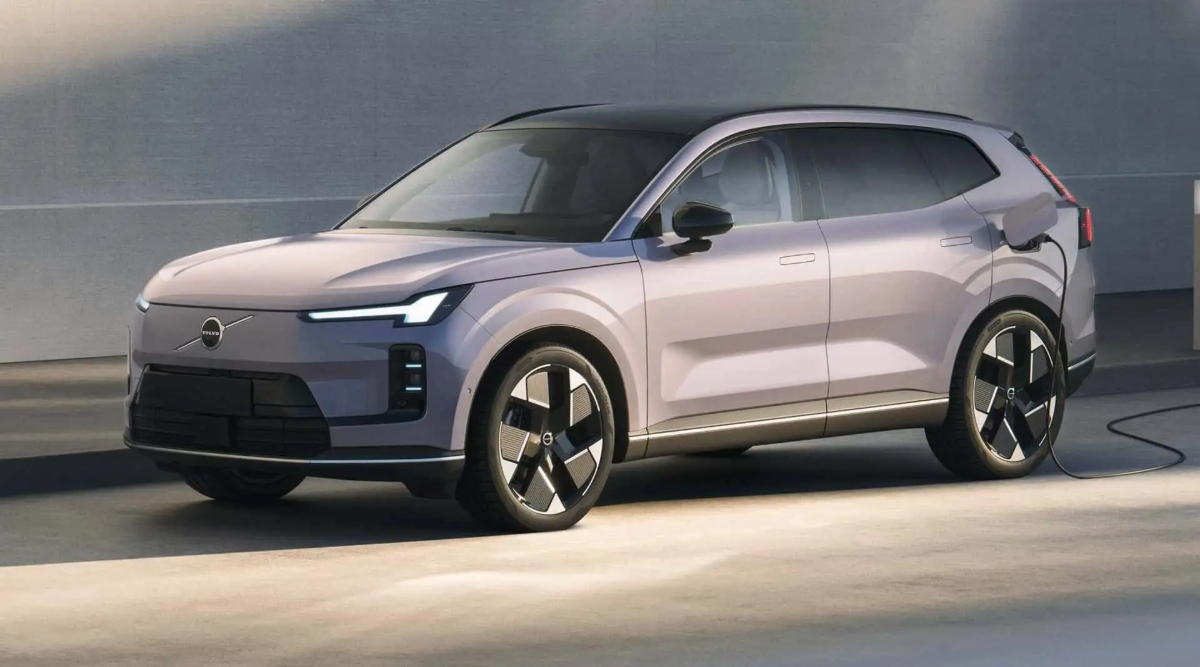
My colleague Kyle Field published an excellent report on the new EX60 battery electric vehicle from Volvo. By the time I was done reading, I had pretty much made up my mind that if I ever choose to move on from my Tesla Model Y, the EX60 would be the next car to occupy a space in my garage.
I confess I have always liked Volvos, although I have never owned one. Like most people, I was impressed with the ads the company ran beginning in 1972 showing several Volvo sedans stacked on top of each other to demonstrate the strength of their roofs. Since then, the cars from Volvo have always enjoyed a reputation for being a great way for families to travel from Point A to Point B as safely as possible.
I also confess that sedans were never really my thing. To me, my dream car was the gorgeous Volvo P1800 ES, which seemed to me to be the perfect blend of practicality and performance — with a healthy dose of reliability blended in.
I have become fully acclimated to the electric car experience and never want to go back to pumping gas and lying on my back with hot oil running up my arm while changing the filter (oil changes should always be done when the engine is hot, to encourage every last drop of the old, sludgy oil to exit the crankcase before adding fresh oil). But there are lots of people who are frankly terrified of running out of battery power somewhere in South Succotash on a cold winter night when the nearest EV charger is somewhere in the next county.
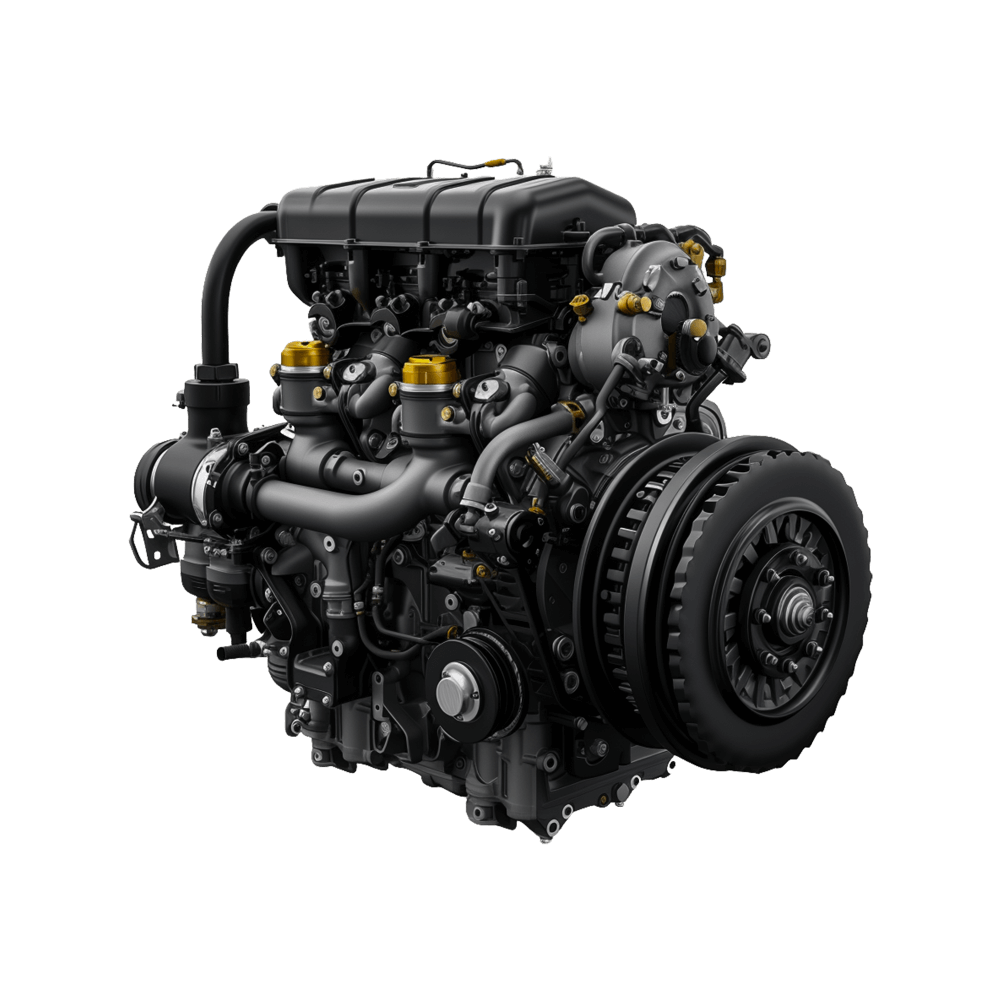
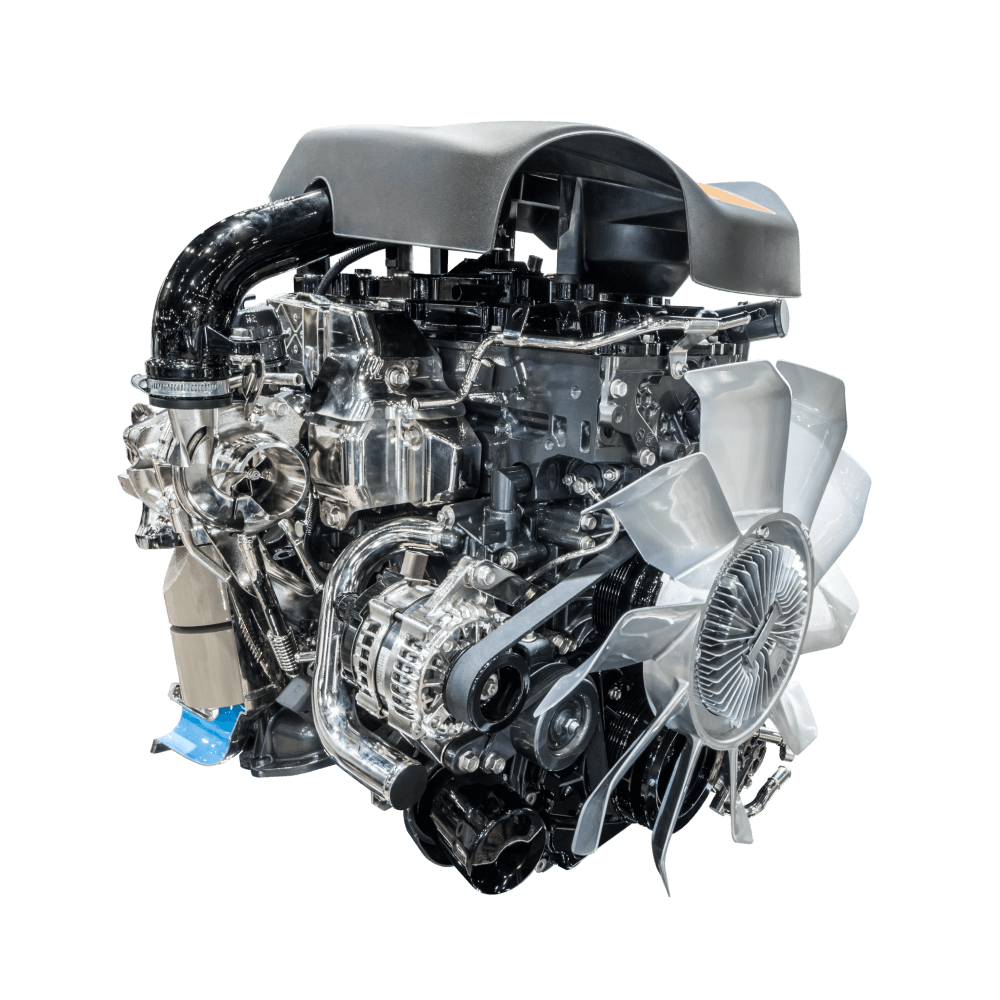
For those people, Volvo is working on the perfect solution — a plug-in hybrid with 100 miles of range and an internal combustion engine that springs to life when all the electrons in the battery are used up. Some people call them plug-in hybrids, but lots of those cars use the engine as much as they use the battery, and sometimes more. Some people call them extended range electric vehicles, because they have larger batteries than a PHEV, which allows them to travel fairly long distances — more than 100 miles in some cases — before the onboard engine is pressed into service.
While the new EX60 was being introduced last week, Volvo’s chief strategy officer Michael Fleiss told the motoring press that the company’s next-generation plug-in hybrids would feel more like “an electric vehicle with a backup engine.” Where many PHEVs and EREVs are conventional cars with a battery pack slipped in during production, the new cars from Volvo will be designed from the ground up to be electric cars first and gasoline assisted cars second.
They will offer enough electric power and range to feel like EVs in the vast majority of situations, he said, and offer the fast acceleration that EV buyers expect. To make sure that happens, Volvo’s upcoming PHEVs will have around 100 miles of EV range and 500 to 600 miles of combined range. He calls it “an electric vehicle with a gasoline engine.” Try making an acronym out of that. We dare you!
“You have more or less the same performance sphere, like an electric vehicle, what customers really like. I mean, the fast acceleration. Decent, really good electric range, and then for customers who do not really have the opportunities to charge their cars either at home or on the way, we have this combustion engine as a backup,” Fleiss said.
The primary difference between what Fleiss calls “extended range plug-in hybrids” and EREVs is these plug-in hybrids are engineered to allow the engine to connect and disconnect from the wheels as needed. Most of the time, that will happen on the highway. Fleiss said it’s simply more efficient to power the wheels directly during highway driving than it is to supply electricity to the battery pack so it can then power the wheels. The situation is just the other way around during stop-and-go driving in urban settings.
The Drive reports that Fleiss declined to say when Volvo would no longer offer plug-in hybrids. “If the customer is not willing already [to buy electric], we are happy to continue with the plug and hybrids. This is our way of either satisfying our customers who are not yet ready to go to better electric vehicles, and I strongly believe when a customer drives such a car, the next car will be an electric vehicle, because they will probably charge or fill that car, three, four times a year, with fuel. The rest is electric. So it’s easier, and that’s why we call it bridging technology,” Fleiss said.
Allow us to make a couple of points here. First, this is pretty much how the Chevy Volt with its Voltec powertrain operated in 2014. Everything old is new again. Second, “bridging technology” sounds too much like how the fossil fuel maniacs call methane a “bridge fuel” — a temporary strategy to keep the lights on while we wait for renewables to prove their worth in all situations.
Plug-in hybrids tend to have more customer complaints than either conventional cars or electric cars. Why saddle consumers with second best technology when something better is available? But we are not responsible for running a major automaker and putting out jobs on the line if we read the marketing tea leaves wrong. We admit that is easier to report on what’s happening than it is to make things happen.
InsideEVs pointed out in a recent article that the new Volvo XC70 plug-in hybrid has 124 miles of battery electric range — more than enough for almost anyone’s daily driving needs. It also supports vehicle-to-load functionality and DC fast charging, meaning you can power your home or appliances using the car’s battery and quickly top it off on a road trip.
Customers in the US can dream about such a car, but won’t be able to buy one because US automakers and their government are scared to death of competition from the Chinese. Keep in mind that Volvo Cars has been owned by Geely since 2010 and Geely is a Chinese company. For now, the XC70 PHEV will be available in China and Europe but not North America, although Canada’s decision last week to lower tariffs on Chinese made cars could change that.
However, both Fleiss and Volvo CEO Håkan Samuelsson confirmed that the Volvo factory in South Carolina is scheduled to build a future plug-in hybrid model. Will it be the XC70? Volvo won’t say. But whatever it is, it’s going to feel a lot more like an EV than the current Volvo EX60 PHEV, which has a paltry battery-only range of just 35 miles.
In our view, all PHEVs should offer bi-directional charging and Level 3 charging. If Fleiss is correct, they are a “gateway” to the battery electric future and should offer customers the opportunity to fully appreciate all the features that make electric cars so appealing.
CleanTechnica’s Comment Policy
Steve writes about the interface between technology and sustainability from his home in Florida or anywhere else The Force may lead him. He is proud to be “woke” and believes weak leaders push others down while strong leaders lift others up. You can follow him on Substack at https://stevehanley.substack.com/ but not on Fakebook or any social media platforms controlled by narcissistic yahoos.
Steve Hanley has 6538 posts and counting. See all posts by Steve Hanley
Related Article