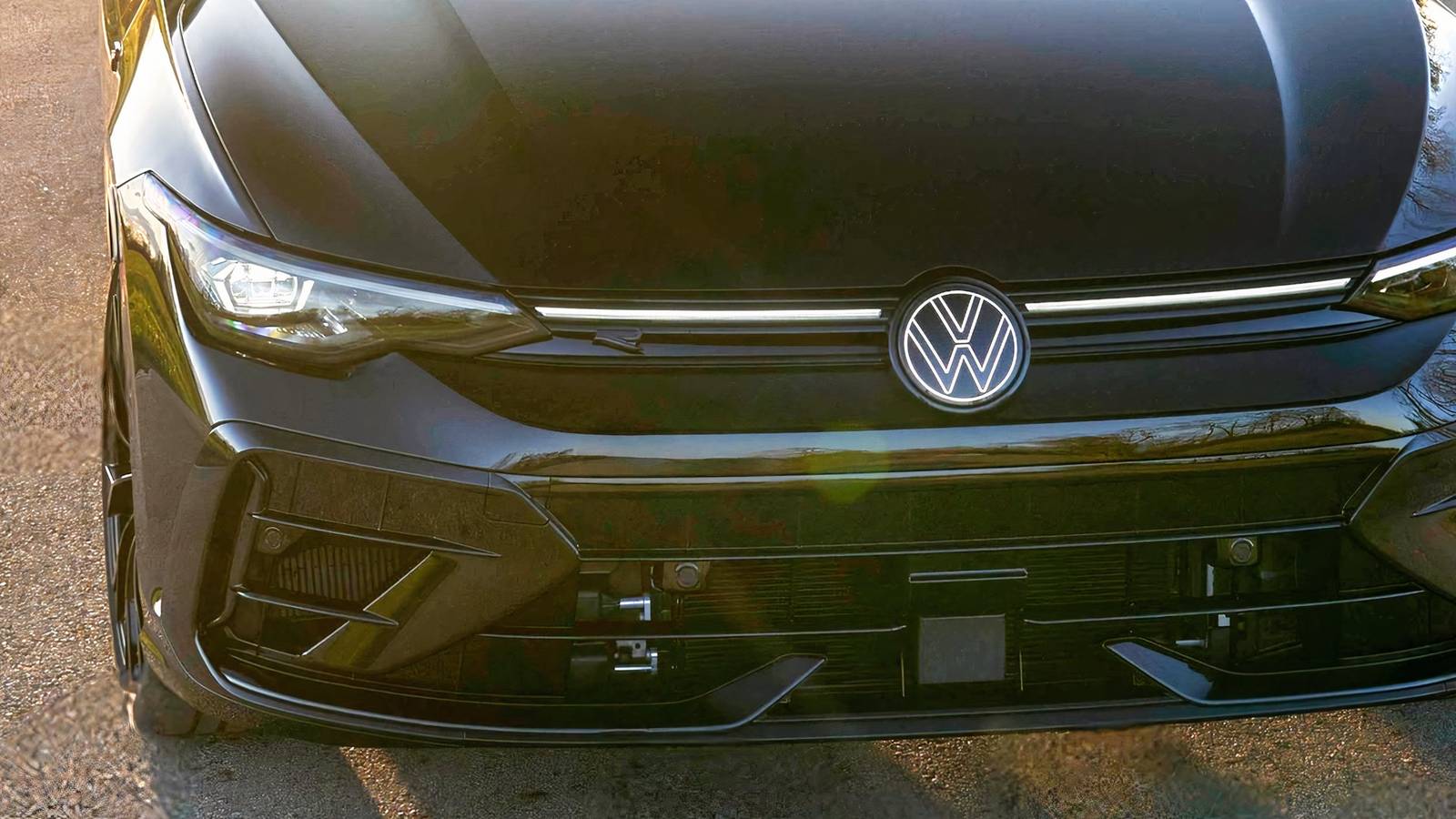
Porsche has bet big on creating gasoline out of the air. Using hydrogen and carbon dioxide to create liquid gasoline that can fuel its sports cars in the future. But Porsche isn’t the only VW Group entity looking at taking it on. CarBuzz has just found a new patent that shows its parent company, Volkswagen Group is doing some work on eFuels of its own.
When the European Union announced that its 2035 combustion ban would have a loophole to allow certain low-carbon synthetic fuels, it seemed like a gift from above for petrolheads. But there was a kicker. In order to run on synthetic gas, the car had to know if it was running on synthetic gas. If someone filled it with bootleg dino juice, the car would need to know, and then turn off.
Efuel, though, was supposed to be all but identical to regular old gasoline. To work around it, Porsche patented a gas sniffer. Yes, it would use a special odor sensor that could pick up the smell of the eFuel. How does eFuel smell different from normal gas? It doesn’t. A smell would need to be added, much like the scent of (but probably not as bad as) sweet lady propane.
Synthetic fuels, also called eFuels, could theoretically replace gasoline in your ICE car. But is the technology just science fiction?
Volkswagen’s patent doesn’t pass the smell check, but it will still need outside interference. It’s called “Method and system for detecting the composition of a fuel” and it involves a sensor in the car that can detect a specific marker.
The patent describes first creating a digital fuel twin, a computer representation of the eFuel. That lets the sensor know what it’s looking for as far as the basic composition of the fake gasoline.
It would also need a marker to be added to the fuel at some point in the supply chain. Likely some chemical not normally found in gasoline but wouldn’t harm an engine, though VW suggests physical markers as well. That marker would then be checked at every point in the process. If it matched, the system would approve it, but if it didn’t match up, then the computer would speak up.
The system wouldn’t just look for the marker, it would also check the concentration. Like how law enforcement can spot even trace amounts of red dye if they dip your diesel tank to see if you’re evading taxes.
Both solutions have one glaring problem, and that’s co-operation. You can add whatever you want to the fuel for detection purposes, but unless you want to build your own network of gas stations, you need to bring every automaker on board.
If every automaker is on board, and the supply of eFuel is high, then suddenly groups will be able to “hack” the fuel. That is, make their own copies of the markers or the scent to put in regular gasoline. Assuming that the two fuels would co-exist, and that eFuels wouldn’t be cheaper.
We take a look at the reason why diesel will almost certainly be dead in a decade, and perhaps even sooner.
Automakers are going to great lengths to not have to go all-in on electric, though that’s clearly driven at least in part by consumer demand. A frustrating compromise in legislation to make it possible means some very strange ways to work within the lines.
Patent filings do not guarantee the use of such technology in future vehicles and are often used exclusively as a means of protecting intellectual property. Such a filing cannot be construed as confirmation of production intent.
Source: DPMA
We want to hear from you! Share your opinions in the thread below and remember to keep it respectful.
Your comment has not been saved
This thread is open for discussion.
Be the first to post your thoughts.
Related Article