The price of new and used cars rose dramatically during the pandemic, and both options are still pricey today. For those in the market for a “new to them” vehicle, there are pros and cons to buying something, or putting money into maintaining an older car.
You’ve had that old car or truck so long it’s become like a member of the family. But as it ages, more things go wrong — which can lead to expensive repairs. If you’re thinking about keeping it, you might be asking yourself a simple question. When do you reach the point of diminishing returns in how much you’re spending to repair those aging wheels as opposed to buying something new, or gently used?
In this Price of San Diego story, we look at the pros and cons of putting money into a familiar, yet aging vehicle versus buying something new or used that’s under warranty.
The pandemic brought all sorts of challenges. Aside from the obvious health aspect, there was the damage the years of COVID did to supply chains.
When it came to cars, the change was dramatic. The prices of both new and used cars rose sharply. The website Edmunds.com reports that used car prices rose more than 37% between 2020 and 2021. But used car prices have now leveled off according to the Kelley Blue Book. It says on average, the price of used cars is now more than $25,000.
Buying a new car continues to be an expensive proposition. Kelley says the average price for a new vehicle recently topped $50,000 for the first time in history. And that doesn’t even take insurance into account. Heather Long, chief economist for Navy Federal Credit Union, said car insurance premiums surged in 2023 into 2024, adding hundreds of more dollars a year for many Americans.
One small bright spot comes from AAA data. The auto club says the average price to own and operate a new car is now $11,577 – down $719 from 2024.
That brings us to the big question. Do you keep that old 4-wheeled friend running and avoid the big payments and high insurance of a new, or new-to-you car? That is a question without an easy answer because every vehicle is different.
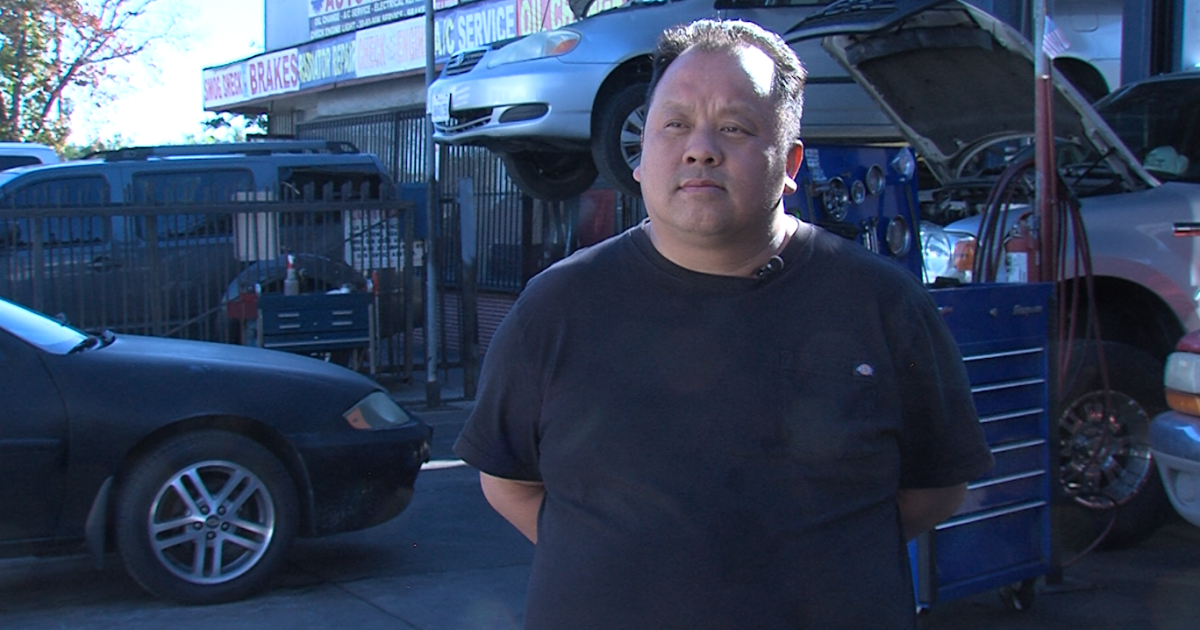
But for general tips on keeping your current vehicle, we turned to Jason Vue. He manages North Park Auto Repair at 30th & Howard streets. The day we interviewed him, we saw cars and trucks in for service that were anywhere between 3 up to about 25-years old.
“The car does not need to be brand new to run. As long as it runs, that’s what the customer wants. As long as it’s safe, that’s what the customer wants,” Vue told us.
When helping a customer to decide whether to keep their current vehicle, Vue has some pointers.
Vue told us he’s seeing evidence that people are keeping their cars longer. He said it’s not unusual to see vehicle from the 90s in his shop. So, anecdotal evidence suggests people are keeping their vehicles longer to copy with higher prices for just about everything in life.
It appears that 2026 will be characterized by high, but slowly stabilizing prices in both the new and used/gently used markets. Every case is different, but for the near future at least, keeping that old car or truck in good condition could be a good plan to save some big bucks.
_
KPBS keeps you informed with local stories you need to know about — with no paywall. Our news is free for everyone because people like you help fund it.
Without federal funding, community support is our lifeline.
Make a gift to protect the future of KPBS.