
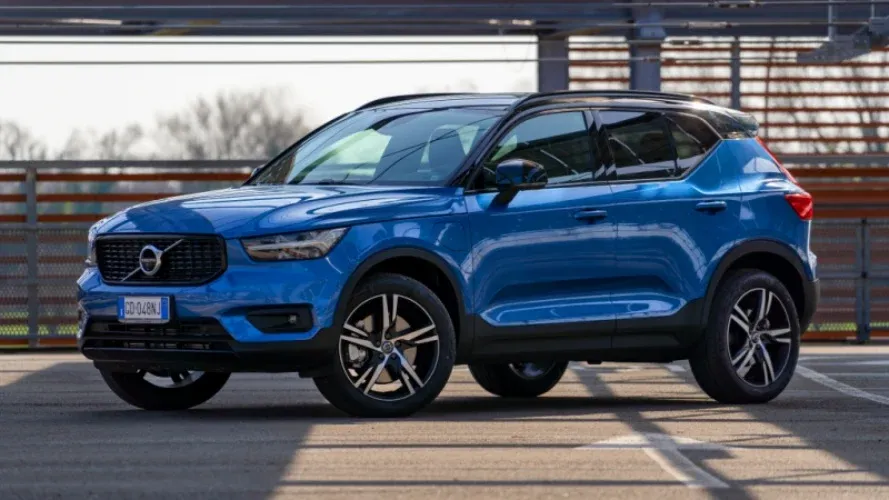
Shares of Volvo Cars (STO: VOLCAR-B) took a beating on Thursday, tumbling over 25%. This sharp decline points toward what could become the worst trading day in the company’s history. The Swedish automaker’s latest quarterly results laid bare the toll from various external pressures.
The company reported a steep 68% plunge in fourth-quarter operating profit, plunging to 1.8 billion Swedish krona ($200 million). The strain stemmed from a trifecta of challenges: the impact of new U.S. tariffs, unfavorable currency swings, and a drop in consumer demand globally.
CEO Håkan Samuelsson didn’t sugarcoat the situation in an interview, highlighting a “very challenging market” especially in China, where competition is fierce and EV incentives have disappeared, not just in China but also in the U.S. These factors have tightened the screws on the automaker’s bottom line as regulatory headwinds and softer consumer moods persist.
On the cost front, Samuelsson pointed out internal efforts to control expenses and maintain positive cash flow. Yet, with external conditions worsening, it may not be enough to offset the broader market forces weighing on Volvo’s profitability and share price.
Industry watchers are adjusting their outlook as well. Analysts at UBS predict a 10% to 15% downgrade to Volvo’s 2026 full-year earnings estimates, questioning whether margins can revive anytime soon given that the fourth quarter’s EBIT margin was close to zero.
The backdrop includes a complex trade situation: despite a July 2025 agreement that slightly eased tariff pressures by setting a 15% tariff on EU goods (down from the initially proposed 30%), the costs remain punishing for European carmakers like Volvo. The automotive sector faces increased expenses, with tariffs still biting hard.
Looking ahead, Volvo plans to ramp up delivery of its fully electric EX60 mid-size SUV in the latter half of this year. Still, it knows the road ahead won’t be smooth. The company cautioned that 2026 will likely remain difficult with ongoing pricing pressures, tariff impacts, regulatory uncertainties, and consumer hesitancy.
For a company long viewed as a key player in the shift to electrification, these setbacks serve as a stark reminder that the path to clean-driving dominance isn’t without significant bumps.
About
Blog
Q&A
Educational Plan
Pricing & Plans
Newsletter
Investor Relations
Contact Us
Cancellation & Refunds Policy
Privacy Policy
Disclaimer
Terms of Use
Do Not Sell Data Privacy
About
Blog
Q&A
Educational Plan
Pricing & Plans
Newsletter
Investor Relations
Contact Us
Cancellation & Refunds Policy
Privacy Policy
Disclaimer
Terms of Use
Do Not Sell Data Privacy
StockInvest.us is a research service that provides financial data and technical analysis of publicly traded stocks. All users should speak with their financial advisor before buying or selling any securities. Users should not base their investment decision upon StockInvest.us. By using the site you agree and are held liable for your own investment decisions and agree to the Terms of Use and Privacy Policy. Please read the full disclaimer here.
You may use StockInvest.us and the contents contained in StockInvest.us solely for your own individual non-commercial and informational purposes only. Any other use, including for any commercial purposes, is strictly prohibited without our express prior written consent. Systematic retrieval of data or other content from StockInvest.us, whether to create or compile, post to other websites, directly or indirectly, as text, video or audio, a collection, compilation, database or directory, is prohibited absent our express prior written consent.
© 2026 StockInvest.us from UAB Exigam