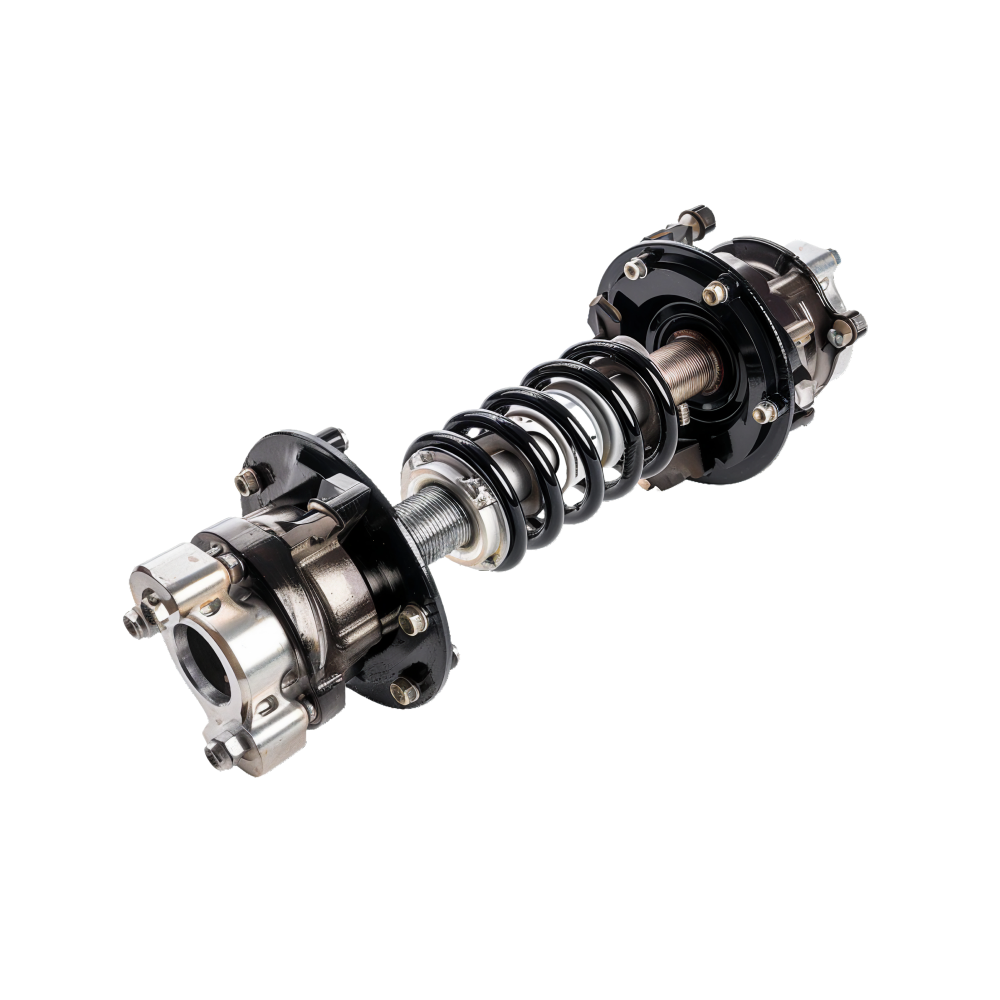

 Have you ever thought about being the passenger in an autonomous vehicle? Just sit back and let the car take the wheel? While there are some cars with features that handle steering and lane changes, to date, all fully commercial vehicles sold still require a human to remain attentive in the driver’s seat. It is currently not legal for any vehicle in New Jersey to be fully controlled by a computer. But that may change.
AVs IN NEW JERSEY?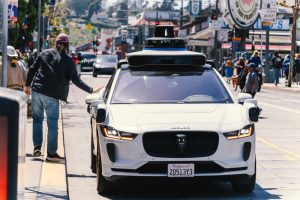 A bill to establish an autonomous vehicle (AV) pilot program was introduced to the NJ Legislature by Senators Andrew Zwicker (NJ-16) and Gordon Johnson (NJ-37) in late October. It unanimously passed through the Senate Transportation Committee with amendments, and the sponsors are currently working with stakeholders to address any concerns before it is brought before the full Senate. The NJ bill would authorize a five-year program allowing registered testers (manufacturers, universities, or fleet, automotive or technology providers) in both closed testing locations as well as on the open road. The NJ Motor Vehicle Commission would approve participation, and the pilot would be overseen by a task force.
NJ would join 35 states which already have autonomous vehicle legislation of some sort.
“Autonomous vehicles have been introduced in other states like California, Arizona, and Nevada with great success. The industry is growing rapidly, and it’s important for New Jersey to be proactive about innovation – especially if, like AVs, it’s innovation that can change the lives of everyday New Jerseyans,” explains Sen. Zwicker.
The first AV legislation dates back to 2011, when Nevada approved testing and then licensing in the same year. In other states, the laws vary from the creation of task forces to research the vehicles, to allowing pilot programs with travel on public roads. There is no state yet that allows fully automated vehicles to be sold commercially and used without restriction.
Arizona was the first to allow Waymo vehicles to travel fully autonomously around the Phoenix area as robo-taxis, with no human behind the wheel. Waymo now operates in San Francisco and Los Angeles as well, though they remain limited experiments. Uber, Aurora and Cruise self-driving cars are now also in various testing phases across the country.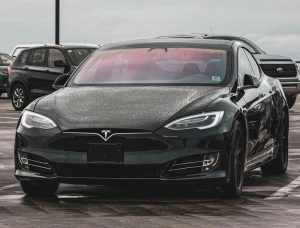 With five levels of defined automation by National Highway Traffic Safety Administration (NHTSA), most states are still hovering around Level 2, where there may be some assistance with steering or braking, but the driver is still fully responsible. Therefore, no fully automated cars are commercially available to the general public to purchase and use. But technology is advancing every day, and New Jersey wants to take advantage of it.
“Properly implemented, AVs can reduce traffic accidents and fatalities and can make transportation by car accessible to the visually impaired, physically disabled, elderly, or anyone else that cannot drive themselves,” Zwicker shared. “With an automated vehicle, these people would be able to get to school, work, doctors’ appointments, or to see friends and family. AVs could restore that autonomy and mobility to so many that feel trapped in their homes or have transportation needs that public transit isn’t able to meet.”
HEIGHTENED SAFETY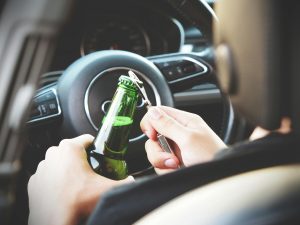 Though nationally the trend was down, NHTSA data indicates 695 people died in fatal crashes in New Jersey last year – a 14% increase over 2023. Could this number improve if computers were in control rather than humans? A fully automated system is programmed to follow all driving parameters, eliminating the variables that humans could bring such as drunk or drugged driving, distracted driving and falling asleep.
“A recent safety study found that autonomous cars were involved in 80% fewer injury-causing traffic accidents than human-operated counterparts on the same roads. Considering that traffic accidents are the second leading cause of death for children and young adults in the US, an 80% reduction in injury-causing accidents carries huge implications for public health,” Zwicker details. “In a NY Times Op-ed, neurosurgeon Jonathan Slotkin argued that even if only 30% of cars on the road were AVs, it could prevent 40% of the traffic accidents we see today. Fewer accidents mean fewer fatalities, fewer hospitalizations, less traffic, and less strain on local police departments.”
With all the potential positives, authorities remain concerned that AVs lack instinct for the unexpected and therefore are still not yet deemed safe enough for unrestricted commercial use.
INCREASED TRANSPORTATION OPTIONS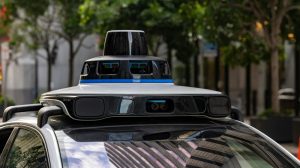 As Sen. Zwicker suggests, autonomous vehicles provide options never before available to those with disabilities that prevent them from being able to drive themselves. It has been proposed that travel opportunities could increase as much as 14% with the addition of AVs, as public transportation is useful but has many limitations.
One of the pilot programs organized with Waymo in Phoenix was for a “Mobility-on-Demand” program. The users grew increasingly comfortable over the course of the pilot program, with 59% taking more trips than they were with their traditional RideChoice program. 93% of users wanted to see the autonomous rides continue.
A study in Australia that came out in October reveals what is needed to get AVs to a level that would be the most helpful for those with disabilities. For example, it details specific design preferences. Would a more universal design make them more accessible? It also found that better education (particularly for the elderly) with regards to awareness, familiarity, and usability could be greatly beneficial.
CHANGES ON TRAFFIC FLOW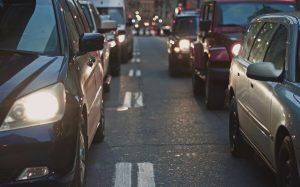 If you’ve ever driven around Princeton or down Route 1 at rush hour, you may be wondering if there are benefits for autonomous vehicles on improved traffic flow. It is hard to fully know the answer without having our roads filled with them, but research has shown there is a strong possibility for improvement. One 2023 study found that roadways containing some autonomous vehicles as well as cars with human drivers will benefit from an increase in traffic flow efficiency and at faster speeds.
While there appears to be pronounced improvements on highways where there are fewer interruptions to travel, in mixed traffic conditions the jury is still out. Some studies find things move better while others see flow suffering.
THE FUTURE IN OUR AREA
If and until legislation is passed and signed by the governor, autonomous vehicles are still barred from New Jersey roadways. Sen. Zwicker and others feel it is past time for the state to get in on the future and potential benefits it could bring.
“AVs can become a sustainable, accessible, and safe method of transportation for those who cannot or choose not to drive themselves. One day AVs will be as normal to see out on the road as a human-operated vehicle. People with disabilities that prevent them from driving will be able to travel freely and independently, injuries and deaths from traffic accidents will plummet, and daily commutes will be smoother, faster, and traffic-free.”
Last year, Pennsylvania adopted guidelines allowing for highly automated vehicles to be operated by certified users without a safety driver. This has paved the way for a Waymo pilot of robo-taxis that just started rolling out in Philadelphia. It is still in the testing phases, but hopefully in the not-too-distant future you will be able to hail a Waymo off the street.
Lisa Jacknow spent years working in national and local news in and around New York City before moving to Princeton. Working as both a TV producer and news reporter, Lisa came to this area to focus on the local news of Mercer County at WZBN-TV. In recent years, she got immersed in the Princeton community by serving leadership roles at local schools in addition to volunteering for other local non-profits. In her free time, Lisa loves to spend time with her family, play tennis, sing and play the piano. A graduate of the S. I. Newhouse School of Public Communications at Syracuse University, Lisa was raised just north of Boston, Massachusetts but has lived in the tri-state area since college. She is excited to be Editor and head writer for Princeton Perspectives!
Perspectives Revisited
Send a Letter to the Editor
Getting into the Fall Spirit: Gratitude, Giving and Change
2025 Elections: Everything You Need to Know to Vote Locally & Informed!
Special Collections: Art, History and Culture in our Midst
More…
© Princeton Online. All Rights Reserved.
editor@princetonperspectives.com
Related Article