Sticker prices stay still while mandatory delivery charges soar faster than a SpaceX rocket with a stuck throttle
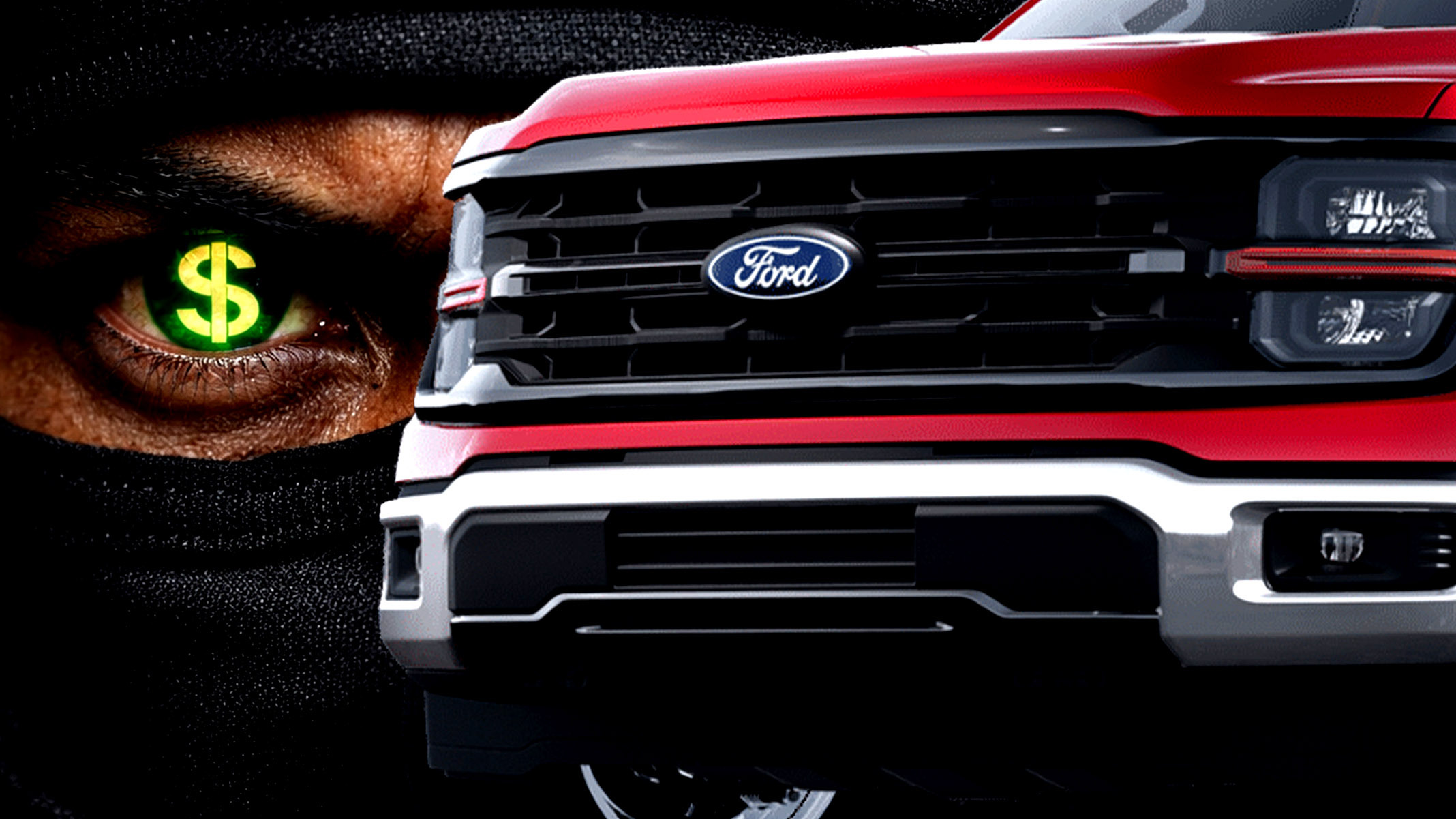
Car buyers already have plenty to dread when reading a window sticker with the average MSRP of a new car getting close to $50,000. But now they have a new reason to groan. Destination and delivery fees, the unavoidable and non-negotiable charges listed at the bottom of every sticker, are climbing rapidly.
Also: America’s $100,000 Luxury Car Sales Set To Nearly Double By 2035
Pricing data supplied to the Detroit Free Press by Edmunds shows destination charges jumped faster for the 2025 model year than at any point in a decade. Back in 2017 the average fee was under $1,000. Today it’s not uncommon to be charged double that, or even more.
What’s more, these increases aren’t confined to a single annual adjustment. In many cases, fees have been raised multiple times within the same model year.
How Shipping Costs Became a Profit Lever
Why the sudden rise? Analysts point to inflation, which has driven up transport costs, and tariffs that add expense to imported cars and parts.
Rather than raise the headline MSRP and risk scaring shoppers away, automakers are folding more of those costs into the destination charge of all models, whether or not they’re directly affected by import tariffs. In effect, they’re spreading the added expense across the entire lineup. On paper the initial price difference looks small, but the fee makes the real hike far bigger.
And that’s before factoring in the usual dealer-imposed extras, often unnecessary, sometimes entirely unwanted, that are still routinely pushed on buyers, or, in many states, inflated document fees that pile on even more.
“I have seen those destination fee increases that are out of the norm versus the typical annual adjustments,” Ivan Drury, director of insights at Edmunds, told the Detroit Free Press. “Almost everyone is guilty in part on some level because of tariff/inflation and hedging their bets.”
Domestic Villains
Detroit brands lead the way when it comes to delivery and handling fees. Over the past four years GM and Ford increased destination fees by nearly 40 percent, Detroit Free Press reports, while Stellantis boosted them by around 33 percent.
Related: Trump’s Path To Cheaper Cars Might End Up Costing Drivers More
Their big pickups saw repeated hikes in recent years, climbing from $1,995 to $2,195. Sign up for an entry level MY26 Ford F-150 and $2,595 of your total bill is made up of destination costs. On a Corvette it’s $1,895.
Price Disparity
Smaller models are not spared. The Ford Maverick and Ranger all saw notable increases, the delivery fee on a Maverick currently standing at $1,695. Yet strangely, the fees differ wildly across the industry.
The destination charge on an Alpina XB7, for instance, is only $1,175 , though since the MSRP is $156,000 you can be sure BMW is still getting its pound of flesh.
Built-In Costs You Can’t Escape
“They are hiding some of the tariff costs in the destination charge,” said Sam Abuelsamid, vice president of market research at Telemetry told the news outlet. “Because you can’t opt out of the delivery charge even if you live next to the factory and pick your vehicle at the gate. It should just be part of the price.”
“In the last nine months, Ford, GM and Stellantis have raised the fees two times on large trucks and SUVs from $1,995 at the start of the year to $2,195 sometime in the spring to $2,595 in about September,” Abuelsamid said. “They’ve also raised those fees on smaller vehicles.”
With destination fees climbing it’s no wonder the average transaction price, the real price a buyer pays, is at record levels. November’s average transaction price for a new vehicle landed at $49,814, up 1.3 percent, the market supported by a steady stream of older and wealthier drivers who seem mostly immune to a cost of living squeeze being experienced by less affluent households.
These affluent buyers tend to gravitate to pricey SUVs instead of budget friendly compacts, meaning only 7 percent of new cars sold last month cost less than $30,000.
Google News
MSN Start
Chris is a seasoned automotive journalist with over two decades of experience. He has worked… Read full bio
Related Article