New laws cover everything from speeding, electric bikes, vehicle impounds, autonomous vehicles, and more
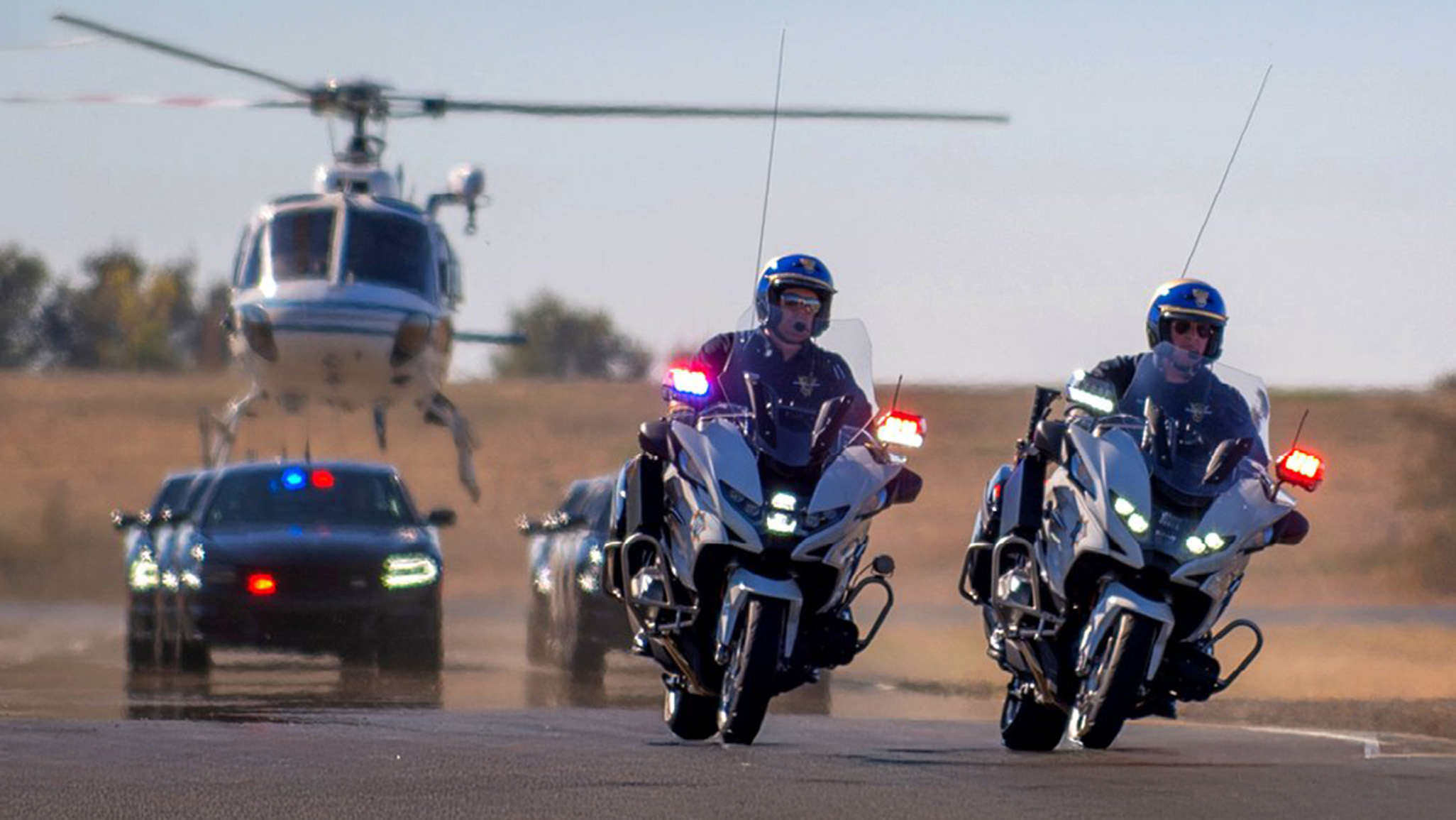
As the new year looms large, new laws do too across the United States. California has several that specifically address drivers, riders, and others, including autonomous vehicles, who share the road. California Highway Patrol just put residents on notice. These laws go into effect on January 1, 2026. If CHP is paying attention, Californians need to as well.
One of the most significant updates gives Caltrans the authority to deploy radar-or laser-based speed safety systems in highway work zones under a new pilot program. These systems can photograph license plates and issue citations directly to registered owners, with formal review and appeal processes built in.
Read: A Single AI Traffic Camera Issued Over 1,000 Fines In Just Four Days
Speed limits are also getting more flexible. Caltrans will be allowed to lower posted highway speeds by 5 mph, with warning citations issued during the first 30 days. In school zones, local authorities can reduce speed limits from 25 to 20 mph through 2031, after which the lower limit will automatically apply wherever proper signage is posted.
A Broader Move Over Rule
The state’s “slow down and move over” law is expanding as well. Drivers are now required to move over or slow down for any stationary vehicle displaying hazard lights or warning devices, not just emergency responders.
That includes maintenance trucks, cone setups, triangles, and road flares. This move is in line with several other states that now require the same action from drivers.
E-Bikes, Electric Motorcycles, and What’s Legal
Electric mobility sees some of the biggest changes, and that’s not shocking. Over the last year, we’ve seen plenty of cases of folks abusing or misusing high-powered e-bikes. In 2026, e-bikes must now display a rear red reflector or red light at all hours, not just at night. CHP’s online safety course will also qualify as training for minors cited for helmet violations.
Read: Super Speeders In California Now Get Hit Where It Hurts Even Before Trial
Off-highway electric motorcycles, or “eMotos” as California calls them, are now formally defined and classified as off-highway vehicles. That means helmets are mandatory, DMV identification is required, and existing OHV rules apply.
Law enforcement will also gain new authority to impound certain electric vehicles for at least 48 hours, particularly unlicensed high-speed electric bikes or Class 3 e-bikes operated by riders under 16.
Is Your Battery Legal?
Meanwhile, also starting in 2026, all e-bikes, powered mobility devices, and lithium-ion batteries sold in California must meet accredited safety standards and display compliance labeling. Rentals face the same requirement beginning in 2028.
New Demands for Driverless Tech
Finally, autonomous vehicle manufacturers won’t escape scrutiny. Once DMV regulations are finalized, police will be able to issue formal notices of noncompliance directly to AV makers, and by July 1, 2026, fully driverless vehicles must include two-way communication systems for first responders. It’ll be interesting to see how many tickets Waymo (and maybe Tesla) rack up during the new year.
Google News
MSN Start
Stephen, affectionately known as Rivers, has gracefully transitioned from being a repair shop manager and… Read full bio
Related Article