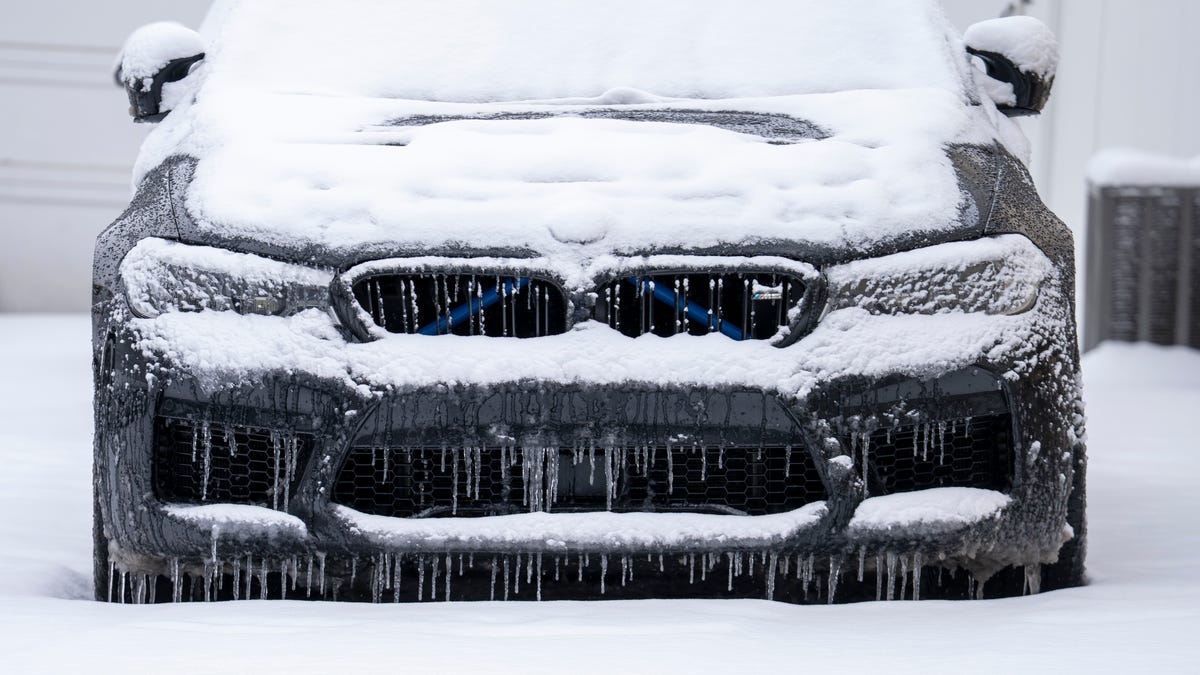
Severe, cold weather is in store for most of the country, with snow, ice and artic temperatures from a shifting polar vortex making many looking ahead to winter.
But before that happens, here’s what to know about your car’s gas tank amid freezing temperatures.
Every liquid substance has different boiling and freezing points. While water freezes at 32 degrees, that’s not the case for gasoline.
The freezing point of gasoline varies depending on the type of fuel. But certainly, temperatures need to drop to at least minus 40 degrees for gasoline to begin thickening and becoming gel-like, according to auto parts retailer AutoZone. Typically, gasoline will freeze at minus 100 degrees F.
While extreme temperatures below minus 40 degrees are uncommon in the continental U.S., your fuel lines can still be affected by extreme cold.
Although gasoline itself won’t freeze, condensed water in the fuel tank can. If this happens, you might end up with frozen fuel lines.
A general rule of thumb is to keep your fuel tank at least one-quarter full, preferably over halfway.
If extreme cold weather is common where you live, you can also use fuel additives to help prevent gasoline from coagulating.
Juan Carlos Castillo is a New Jersey-based trending reporter for the USA Today Network. Find him on Twitter at _JCCastillo.
Related Article