By Josh Recamara
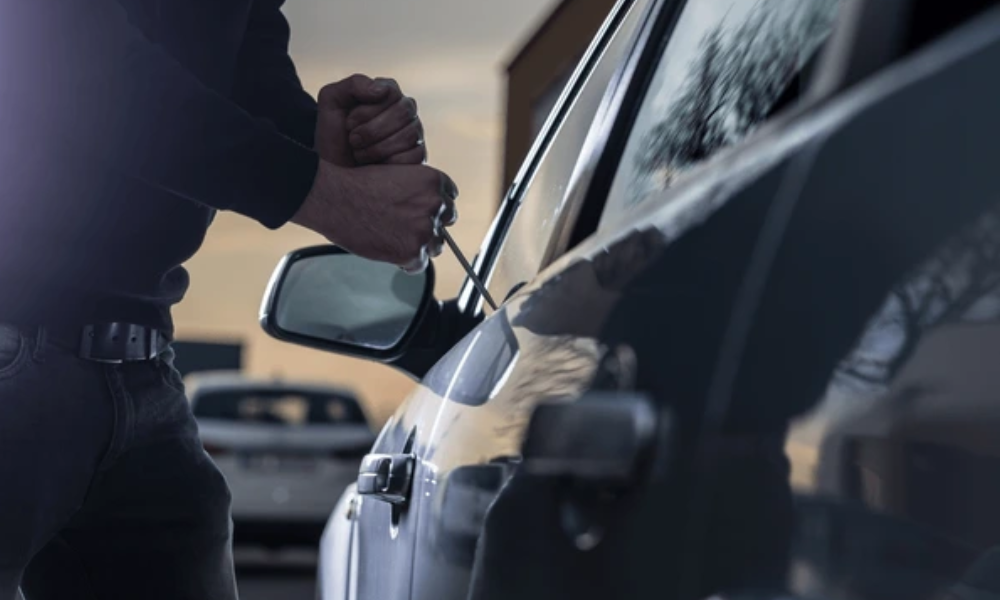
There was a 12.57% drop in car thefts in the first eight months of 2025, according to the latest analysis from QuestGates.
However, there is a growing shift in criminal behaviour toward stealing vehicles for parts rather than whole cars, raising new challenges for insurers and brokers.
What the numbers mean to insurers
While the headline drop in theft might suggest a safer environment, the increase in parts theft complicates claims and risk assessment. Recovered vehicles often arrive at salvage yards as incomplete shells, forcing insurers to classify them as total losses despite partial recovery. This affects loss rations, claims forecasting and premium calculations.
As a result, brokers must now guide clients, particularly fleets, small car owners and high-volume model holders, on policy terms that consider both total and partial losses. Regional variations may also require location-specific risk assessments, influencing underwriting decisions and renewal discussions.
According to the Driver and Vehicle Licensing Agency (DVLA) lost or stolen dataset, 38,413 vehicles were stolen between January and August 2025, down from 43,937 in the same period in 2024. Recovered vehicles fell slightly to 16,120 from 17,550, though the recovery rate as a percentage of total thefts increased by 2.02%.
Philip Swift, technical director of motor at QuestGates, noted that while fewer cars are being stolen overall, many "recovered" vehicles are little more than collections of parts or shells, increasing total loss claims and complicating insurers' exposure management.
Top makes and models of stolen cars
Ford remains the most stolen manufacturer, with the Fiesta frequently targeted for parts due to its high resale demand. BMW, Toyota, Land Rover, and Mercedes-Benz round out the most commonly stolen makes. Pick-up trucks, however, saw a 9.48% increase in thefts, often driven by high parts or resale value.
Regional trends showed that London and the West Midlands recorded significant reductions in overall thefts, whereas Gwent, Norfolk, Lincolnshire, and Nottingham experienced increases. Cumbria, Wiltshire, and Bedford achieved improvements exceeding 30%, demonstrating that local enforcement and security measures can have a real impact.
QuestGates also highlighted that up to 30% of claims may involve fraudulent activity, including staged theft or inflated losses. Insurers are encouraged to maintain robust fraud detection systems, while brokers should ensure clients understand their policy obligations and the potential impact of fraudulent claims on premiums.
Although car theft overall is declining, the shift to parts theft and regional disparities suggest that insurers and brokers must remain proactive. A nuanced approach to underwriting, claims management, and client education will be essential to manage exposure effectively and maintain profitable portfolios.
Related Article