ARTICLE BY
PUBLISHED
ARTICLE BY
PUBLISHED
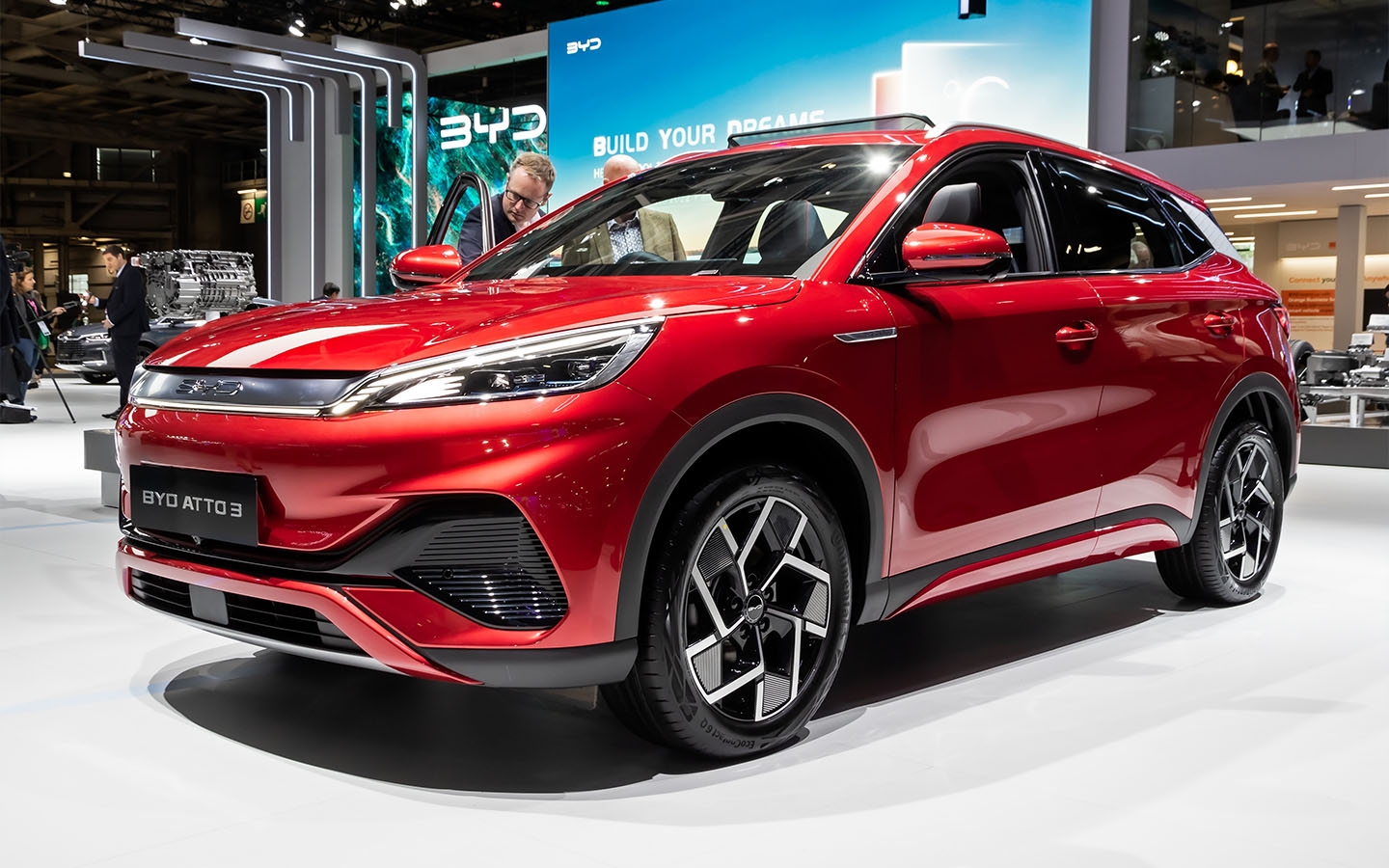
China and the European Union (EU) have taken a significant step toward resolving their years-long dispute over Chinese electric vehicles (EVs), agreeing to pursue minimum price commitments instead of maintaining the steep tariffs imposed by Brussels in late 2024, multiple media outlets report.
Under the proposed mechanism, the EU will lift import tariffs of up to 35.3 percent on EVs – imposed on top of a standard 10 percent duty – in exchange for agreed minimum import prices. Chinese automakers like BYD, Geely and SAIC will have to submit their proposed new prices to the European Commission for approval.
The prices must be set at a level “appropriate to remove the injurious effects of the subsidisation,” according to the EU’s guidance document. This refers to allegations by the EU that Beijing over-subsidises its domestic EV companies, allowing them to price their vehicles well below European competitors in foreign markets – a claim that Beijing has strongly denied.
[See more: Nvidia launches next-generation tools to boost AI growth and improve self-driving cars]
The China Chamber of Commerce to the EU has said the de-escalation will boost market confidence, providing greater predictability for Chinese EV manufacturers and supply-chain operators in Europe.
The chamber also described the outcome as testament to both sides’ commitment to a rules-based multilateral trading system and resolving disagreements through dialogue.
Chinese car brands in general accounted for 6 percent of EU car sales in the first half of 2025, up from 5 percent a year earlier. According to the US-based consultancy, their market share is expected to rise to 10 percent by 2030. For EVs, China has already captured almost 13 percent of the EU’s market, according to figures from Dataforce.
Related Article