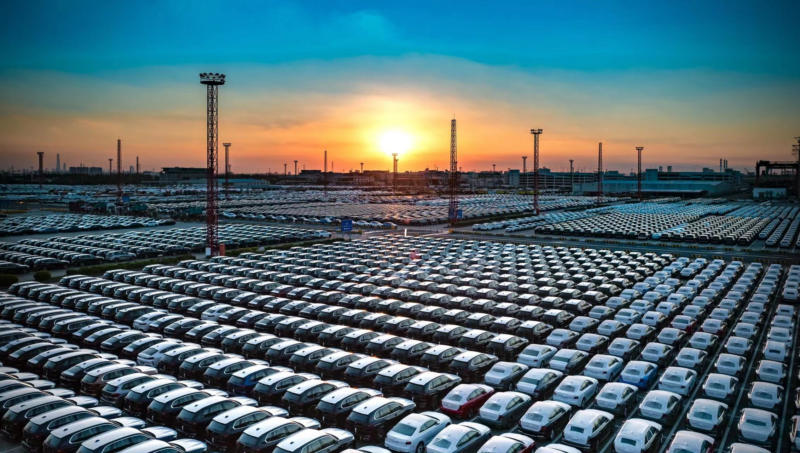
China’s automotive circulation sector is moving into a new regulatory phase as authorities prepare to tighten controls on the long-standing practice of zero-kilometre used cars, with new export compliance rules scheduled to take effect from January 1, 2026, according to Auto-home. The policy shift comes after years of rapid expansion in both domestic circulation and overseas exports of vehicles that are registered but effectively unused, a phenomenon that industry groups say has increasingly disrupted pricing systems and after-sales responsibility.
Zero-kilometre used cars, according to industry experts, are vehicles that leave the factory with either no mileage or only several hundred kilometres. These vehicles may be registered or unregistered, depending on the transaction structure, but are sold through used-car channels despite retaining new-car condition, often with protective film and interior coverings still intact.
According to industry estimates, the domestic transaction volume of zero-kilometre used cars may have reached approximately 1 million units in 2024, accounting for roughly 5 per cent of China’s overall used-car market. The practice has been linked to persistent production overcapacity, as manufacturers and dealers seek faster inventory turnover and capital recovery by redirecting new vehicles into the used-car market at discounted prices.
The export channel has become an even more prominent destination for these vehicles. Data show that China’s used-car exports rose from 15,000 units in 2021 to 436,000 units in 2024, with 2025 exports expected to exceed 500,000 units. Industry estimates suggest that 70% to 80% of exported used vehicles are zero-kilometre.
There are multiple risks associated with this trend. Domestically, widespread discounting through used-car channels has weakened conventional dealership pricing systems. Abroad, many zero-kilometre used cars are exported without proper localisation or official after-sales coverage, leading to complaints about maintenance, software functionality, and battery service. Industry observers cited in the source warn that these issues affect the broader reputation of Chinese automotive brands rather than individual exporters.
In response, four government departments led by the Ministry of Commerce have jointly issued new regulations targeting used-car exports. As of January 1, 2026, any vehicle exported within 180 days of initial registration must be accompanied by an after-sales service confirmation document issued by the manufacturer. The document must specify the export destination and vehicle information and bear the manufacturer’s official seal.
The regulation does not prohibit used-car exports but raises compliance thresholds by formally linking export eligibility to manufacturer-backed aftersales responsibility, with the rule taking effect nationwide at the beginning of 2026.
Adrian Leung
Writer
Adrian, an Electrical and Computer Engineering graduate with a love for cars, brings expertise and enthusiasm to every test at CarNewsChina. He also enjoys audio, photography, and staying active.
Related Article