December — and particularly the last week of the month, between Christmas and New Year’s — may be one of the best times of the year in New Jersey to buy a car, experts say, but consumers have recently been turned off by soaring costs for a new set of wheels amid President Donald Trump’s on-again, off-again tariffs.
The average new car sold for nearly $50,000 in October — after bumping above $50,000 the prior month — said car valuation company Kelley Blue Book.
New car sales in November were down 1% nationally from the month before and 7.8% from a year ago, reported Kelley Blue Book’s parent company, Cox Automotive.
Story continues after photo gallery.
“The headwinds from higher prices and fewer government subsidies for electric vehicles are finally slowing the market after a surprisingly strong previous six months,” Cox Automotive Senior Economist Charlie Chesbrough said on Tuesday, Dec. 2.
President Donald Trump’s 25% tariffs on imported cars have pushed prices higher, Chesbrough said, because as the existing inventory moves out of car dealerships, more expensive, tariffed cars have replaced them.
There are also supply chain issues such as an aluminum shortage disrupting truck production at Ford Motor Co., as well as a shortage in the supply of the semiconductor chips used in different car parts.
In addition, Trump’s federal tax bill earlier this year meant the expiration of the $7,500 electric vehicle tax credit.
So is December a good time to buy a new car?
Conventional wisdom says yes.
“Dealerships and automakers are focused on hitting year-end sales targets and clearing out 2025 models to make room for 2026 inventory,” said Chip Lupo, an analyst at the personal finance website WalletHub.
The tariffs mean that there simply may be fewer good deals for cars than in previous years, Ivan Drury, director of insights at automotive information website Edmunds.com, told USA Today.
“But with electric vehicle tax credits expiring and tariff costs building, [automakers] may not be in a position this year to notably increase incentives in the final month of the year,” Chesbrough of Cox Automotive told USA Today.
And in New Jersey at least, the state still offers a $1,500 rebate on electric vehicles.
For the dealerships still offering incentives, those might include 0% interest or no payments for a set amount of time, said Andy Shapiro, who owns Hudson Auto Group in Jersey City, which sells Hyundais and Subarus.
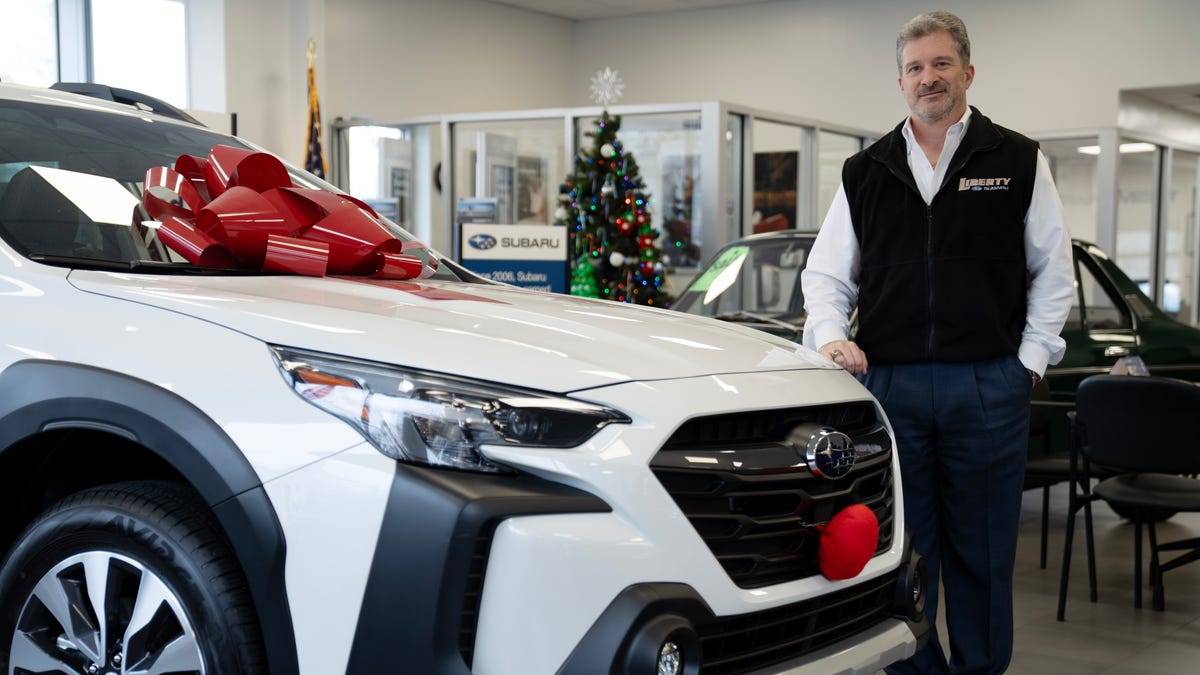
“The past few months have been really slow in our industry,” said Rick DeSilva, a partner at the dealerships Liberty Subaru in Emerson, Liberty Hyundai in Mahwah and Liberty Kia in Ramsey.
“For anyone in the market for a car, this December is a great time to make a deal,” DeSilva said. “Lots of dealers are looking to have a strong finish to the year.”
Other incentives might include money off the total price — say, $2,000 — said Laura Perrotta, president of the New Jersey Coalition of Automotive Retailers, a state trade group for car dealerships.
Drury, of Edmunds.com, told USA Today that the average age of a trade-in is 6 years, meaning buyers who purchased their vehicle before COVID-19 are experiencing sticker shock when heading into the dealership and seeing the new prices.
And the inventory of used cars depleted as buyers chose them to get around Trump’s tariffs, raising the prices on remaining inventory, Kelley Blue Book reported.
Ted Rossman, an analyst at BankRate, said getting financing separate from the dealership puts buyers in a stronger bargaining position, because “car dealers often don’t offer the best financing plans.” Dealers may in turn try to match or beat the outside financing brought in by a prospective car dealer.
“Aim to finance no more than five years on a new car and four years on a used car,” he said in an email, to avoid excessive finance charges.
Kelley Blue Book reported that trading in your current car can help lower your price, but only if that vehicle is in high demand.
Because used cars are in such short supply, dealers offer more money for them than they previously would have, Perrotta said.
“The value of the used vehicle is high,” she said. “Dealers are really hungry for used vehicles. It’s very competitive.”
This article contains material from USA Today.
Daniel Munoz covers business, consumer affairs, labor and the economy for NorthJersey.com and The Record.
Email: munozd@northjersey.com; Twitter:@danielmunoz100; Facebook and Instagram
Related Article