NEW Year’s Day isn’t just about grapes, fireworks or nursing sore heads from the night before.
For the tens of millions of motorists who drive in Spain every year, it’s also a reminder to brush up on the latest rules of the road – or risk a run-in with the DGT.
Spain’s traffic authority has unveiled a raft of new legislation governing the road network, with laws coming into force from today, January 1, 2026.
Here’s a rundown of all you need to know about the new rules.
V16 warning beacon
From January 1, all vehicles registered in Spain must be equipped with a DGT-approved V16 emergency beacon instead of the traditional red warning triangles.
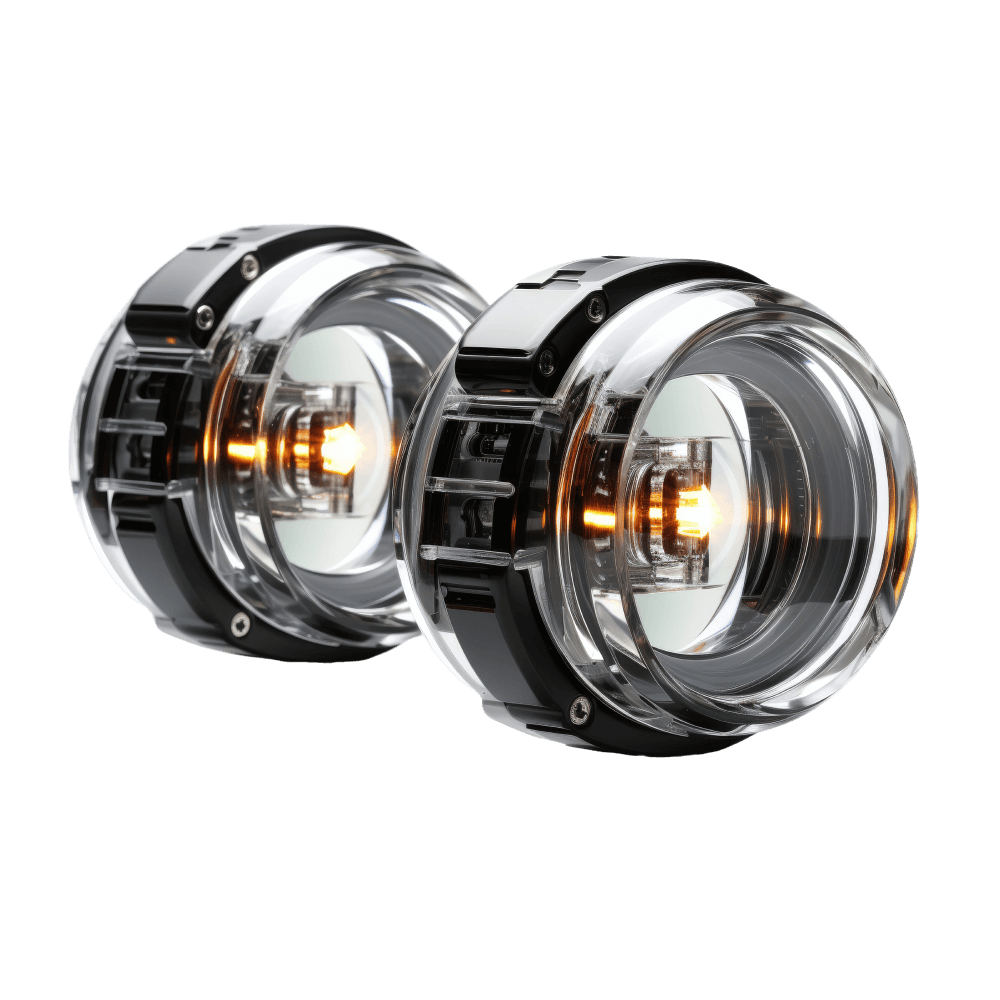
Placed on the roof from inside the vehicle, the V16 light flashes amber to signal a breakdown – with the warning visible from one kilometre away.
READ MORE: Drivers in Spain will soon need the new V16 light in their car – but can they really explode?
It also automatically transmits the vehicle’s location to the DGT when activated, helping to improve roadside safety by making it easier for emergency services to reach a stricken vehicle and warning other road users of the situation.
Anybody not carrying a V16 light in their glovebox risks a fine of up to €200.
But the new law has not come without controversy, with the DGT removing four models of the hazard warning system just days before its implementation.
A full list of all DGT-approved models can be found on the traffic authority’s website.
Seatbelt rules tightened
In Spain, front seatbelts became mandatory in 1975 with rear seatbelts becoming compulsory later in 1992.
But for years the rules have been applied with some exceptions, with taxi drivers, delivery workers and driving instructors allowed, in certain situations, to drive without one.
From January 1, that all changes with new rules dictating that everyone must wear a seatbelt at all times, irrespective of job or situation.
The DGT say removing this grey area of the law will help to improve safety.
Emergency corridors
Following on from examples in Germany and Austria, motorists in Spain will now have to change how they behave when stuck in traffic jams.
When traffic is stopped or slows significantly, drivers in the right-hand lanes must move right and those in left-hand lanes must move left to create a clear emergency corridor for ambulances, police and fire services to use if necessary.
The DGT hope the move will prevent emergency services getting bogged down in traffic jams when rushing to the scene of an accident.
LEZs get bigger
From the new year, all Spanish cities with more than 50,000 residents must operate Low-Emission Zones (LEZs) that restrict access to vehicles depending on emission levels.
The move will impact more than 149 municipalities – equal to nearly half of Spain’s population.
Fines for non-compliance with regulations could reach up to €200.
E-scooter insurance
As part of a new automotive insurance law passed in July, all electric scooters will require civil liability insurance.
READ MORE: E-scooter users in Spain will need to get insurance from January – after spate of deadly incidents
Users will have to fork out around €100 for an insurance policy that must cover at least €6.45 million per accident for personal injury and €1.3 million for property and material damage.
The move is aimed at regulating light personal vehicles (PVLs) such as e-scooters, segways and hoverboards amid a surge in deadly accidents.
However, this will only come into force later in 2026 once the registration system is in place.
But some rules will come into force immediately, such as a requirement for all drivers to wear a helmet and be aged 16 or over.
Click here to read more Spain News from The Olive Press.
Ben joined the Olive Press in January 2024 after a four-month stint teaching English in Paraguay. He loves the adrenaline rush of a breaking news story and the tireless work required to uncover an eye-opening exclusive. He is currently based in Barcelona from where he covers the city, the wider Catalunya region, and the north of Spain. Send tips to ben@theolivepress.es
You must be logged in to post a comment.
This site uses Akismet to reduce spam. Learn how your comment data is processed.
Find the latest Spain news in English at The Olive Press. From breaking headlines to in-depth investigations, we’re the #1 source of news for expats, tourists and global readers alike.
Cited by the New York Times, BBC, Sky News, The Daily Mail, The Times, The Guardian, The Washington Post and more, The Olive Press is Spain’s only English-language newspaper and website staffed by professional journalists, specialist correspondents and top feature writers.
The Olive Press was also named the #1 expat newspaper in Spain and 2nd-best expat newspaper in the world by The Expat Survey Consumer Awards (TESCA). Find out more about the Olive Press.
© 2006 – 2026 Luke Stewart Media SL – All rights reserved.
Related Article