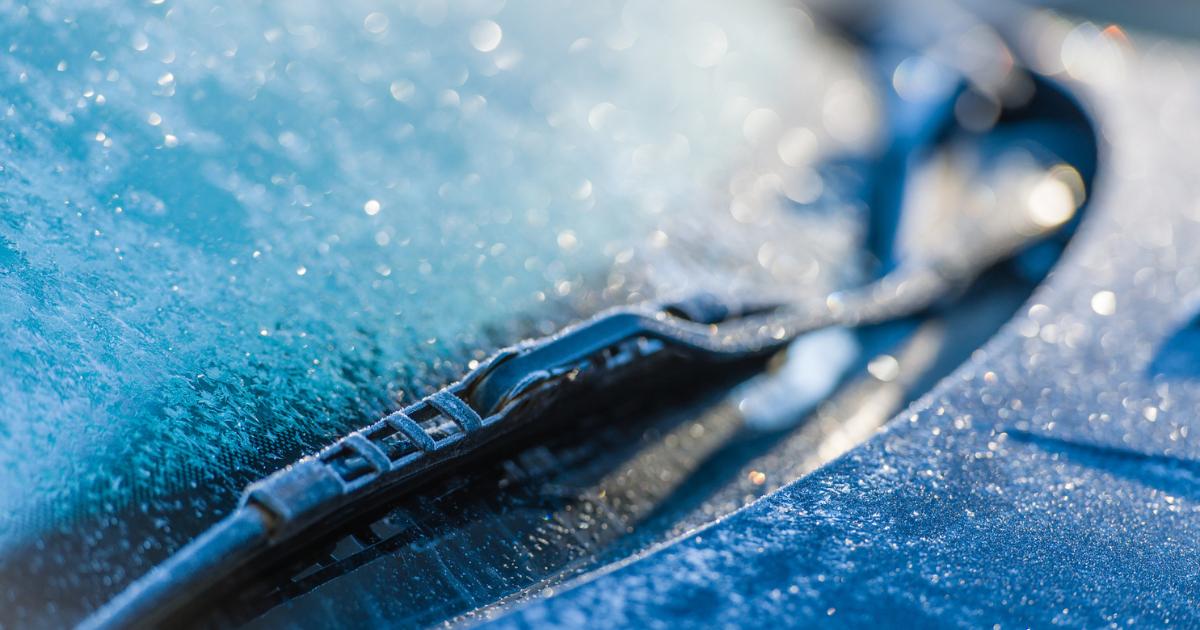
In winter, the UK isn’t without its frosty days and if you’re one of the many motorists that wants to get on the road when these cooler temperatures hit, you might be looking for the quickest and easiest ways to de-ice your car’s windscreen and windows, including using a sandwich bag with water inside.
With a variety of tips and tricks, and even some myths, out there, it can be difficult to know which will actually work and which can cause damage to your car.
To help you in the icy weather, we asked experts to address the de-icing method and whether it is a good idea to use it.
In addition, some experts offered alternatives for the mundane task.
It’s no surprise that motorists want to find cheap hacks to help them de-ice their car and many retailers sell sandwich and freezer bags, including Home Bargains where a pack of 25 medium bags costs 99p.
While you might have heard about putting warm water in a zipped sandwich bag and then putting it on your windscreen to help defrost it, you might want to think twice about following this hack.
Neil Hutchinson, owner and managing director of Mercury Car Centre with more than 45 years of automotive expertise, shared some advice for those wanting to try this method.
He said: “Using warm water inside a sandwich bag to clear ice from a windscreen might seem safer than pouring water directly onto the glass but it still exposes the windscreen to a sudden temperature change.
“That shock can lead to small cracks forming, which may not be obvious straight away but can worsen over time when the glass freezes again.

“Any method that relies on heat to remove ice carries a risk as glass doesn’t handle rapid temperature changes well. Repeated exposure can weaken the windscreen, increasing the chance of cracks or needing replacement later on.”
Instead, Neil suggested preparing for frost: “Using a windscreen cover or towel overnight prevents ice from forming directly on the glass, while a proper ice scraper used gently or a de-icing spray designed for windscreens reduces the chance of scratches.
“Parking out of the shade and facing east can also help, as early sunlight will naturally begin to thaw the glass.”
Imran Malek, spokesperson at Trackdays, offered: “A zip sandwich bag can help shift light frost if it’s filled with lukewarm water and gently moved across the glass, but it’s not something I’d generally recommend.
“If the water is too warm, or the windscreen already has small chips, there’s a real risk of thermal shock, which can turn a quick hack into a cracked windscreen.
“If people do try it, they should never use hot water, keep the bag moving at all times, and stop immediately if they notice any existing damage. A proper ice scraper followed by the car’s demister and air-conditioning remains the safest way to clear a windscreen without scratching or stressing the glass.”
Imran shared a “better” alternative using other kitchen essentials to de-ice a car: “A better kitchen-cupboard option is a white vinegar and water mix in a spray bottle.
“Used the night before, it can help prevent frost forming, and it’s far gentler on the glass than sudden temperature changes.
“It won’t replace a scraper on thick ice, but as a preventative measure it’s far safer than pouring water directly onto the windscreen.”
Recommended reading:
Richard Evans, head of technical services at webuyanycar, suggested the white vinegar and water method too.
He said: “Mix three parts vinegar and one part water in a spray bottle to spray over your windscreen for a simple defrosting hack.
“Vinegar lowers the melting point of ice and allows the water to clear the glass.
“However, do not do this if your windscreen is cracked or chipped.”
This website and associated newspapers adhere to the Independent Press Standards Organisation’s Editors’ Code of Practice. If you have a complaint about the editorial content which relates to inaccuracy or intrusion, then please contact the editor here. If you are dissatisfied with the response provided you can contact IPSO here
© 2001-2026. The Oxford Mail is owned and operated by Newsquest Media Group Ltd, an audited local newspaper network.
Visit newsquest.co.uk to view our policies and terms.
The Echo Building, 18 Albert Road, Bournemouth, England BH1 1BZ. Registered in England & Wales | 01676637
Data returned from the Piano ‘meterActive/meterExpired’ callback event.
As a subscriber, you are shown 80% less display advertising when reading our articles.
Those ads you do see are predominantly from local businesses promoting local services.
These adverts enable local businesses to get in front of their target audience – the local community.
It is important that we continue to promote these adverts as our local businesses need as much support as possible during these challenging times.