Image Source: BMW
BMW’s mightiest M cars have achieved peak ponderousness: the G90 M5 has gained over a thousand pounds due to electrification, and the monumental XM Red Label tips the scales at over 3 tons. On the skinnier end of the weight spectrum is the new M2 CS, the smallest and lightest M car purists can buy in 2026.
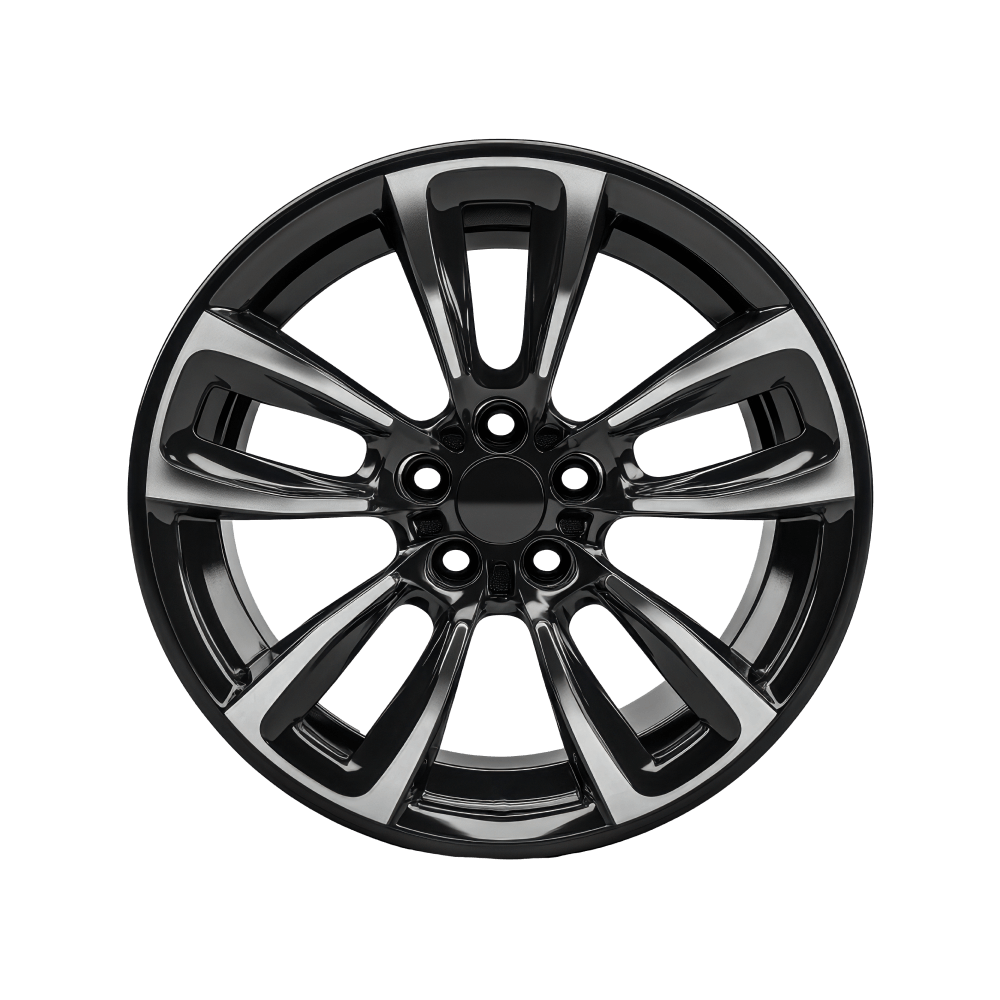
Its 3,770-lb curb weight isn’t as feathery as spiritual predecessors like the 1 M Coupé or the 2002 Turbo, which tipped the scales nearly 1,400 pounds lighter. But Bavarian engineers did manage to shed 97 pounds from the standard issue M2 through forged alloy wheels and carbon fiber reinforced plastic bits like the roof, rear diffuser, and trunklid. The twin-turbo 3.0-liter inline-6 gains 50 horsepower thanks to software tweaks, pumping out 523 horsepower and 479 lb-ft of torque.
Sitting a third of an inch lower, the CS’s ducktail, along with the car’s flared fenders and aggressive stance help it look more like a track-ready weapon than a pumped-up sports car. The new model bolstered street cred by setting the record for a compact car at the Nürburgring Nordschleife with a 7m25.53s time, a solid claim to fame for this ambitious four-seater.
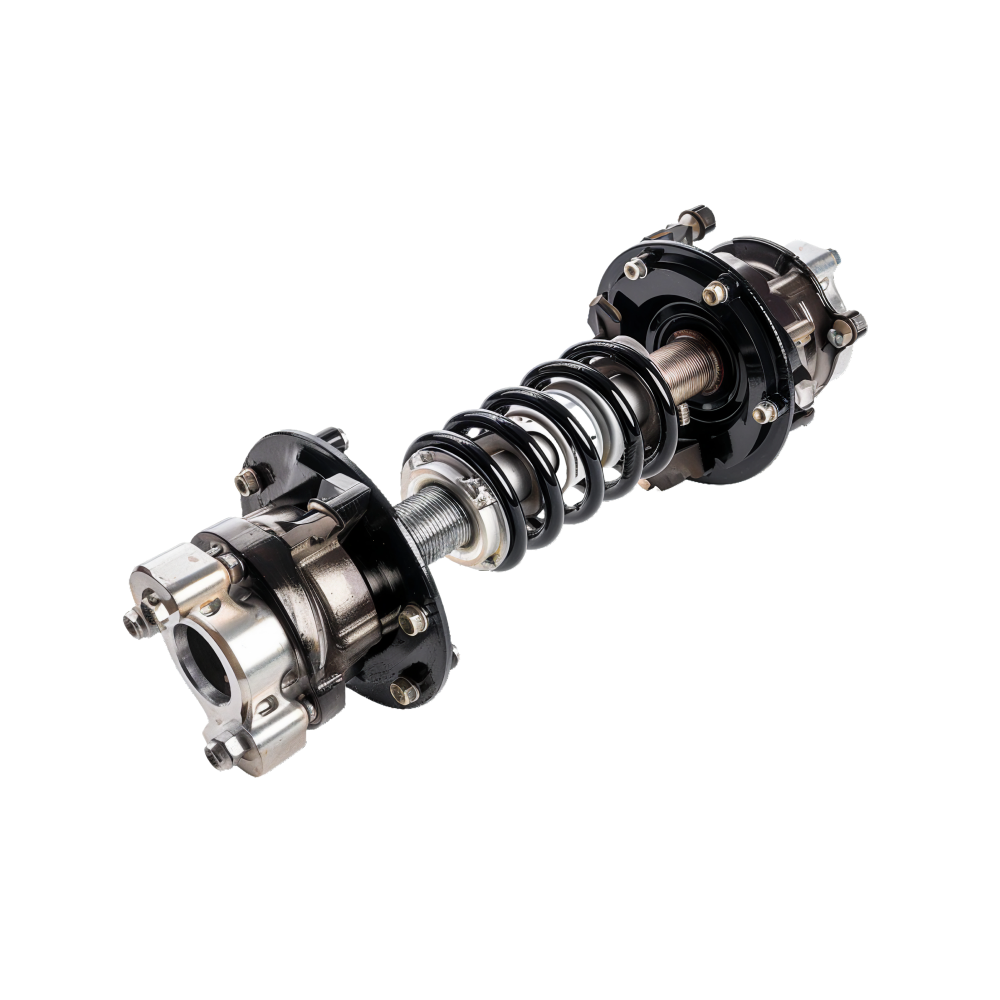
More than half of M2 customers opt for a manual transmission, but in a curious twist, M2 CS customers can’t have three pedals because the manual gearbox can’t handle the added power. In its place is an 8-speed automatic transmission said to deliver more consistent shifts than the dual-clutch in the previous (F87) edition of the M2. CSL-sourced shocks aid handling and firm up the ride, along with model-specific suspension bits and software calibrations.
My M2 CS drive was scheduled at Michelin’s 3,300-acre Laurens Proving Grounds just outside of Greenville, South Carolina, where an unseasonable downpour added pools of standing water to the high-speed proceedings. Climbing into the low-slung coupé is refreshing for any driver accustomed to the scale creep of modern sports cars.
Roughly as long as a Porsche 911 or Chevrolet Corvette, the M2’s packaging feels more compact inside in a cozy, driver-focused way, with plenty of carbon fiber trim to differentiate it from lesser models. Standard M carbon fiber buckets offer firm, supportive bolstering, and model-specific touches include backlit ‘CS’ lettering on the carbon fiber door cards and headrest.
Maximizing a modern M car’s performance requires managing a lengthy menu of engine, differential, braking, and stability/traction control settings via the 14.9-inch touchscreen. The metric-obsessed foolhardy can also fiddle with the M Drift Analyzer, which grades drivers on their hooliganistic tire slaying skills.
Even in its softest mode, the CS rides tautly, transmitting every road imperfection through the steering and seat of the pants – just what you’d expect from a model differentiated by its acronym for ‘Competition Sport.’ The thick-rimmed leather steering wheel is pure BMW, as are familiar, thumb-actuated red M buttons which recall memorized performance settings.
There is a crispness and directness to the controls that yield quick direction change and ballsy acceleration. Activate launch control in Sport+ mode by switching DSC off and pressing both pedals, then lift off the brake and feel the four-seater catapult to 60 mph in a claimed 3.7 seconds. The CS’s smooth-spinning six-cylinder pulls strongly while its torque converter-equipped transmission bangs off quick shifts, which can be manually actuated via steering wheel-mounted paddles.
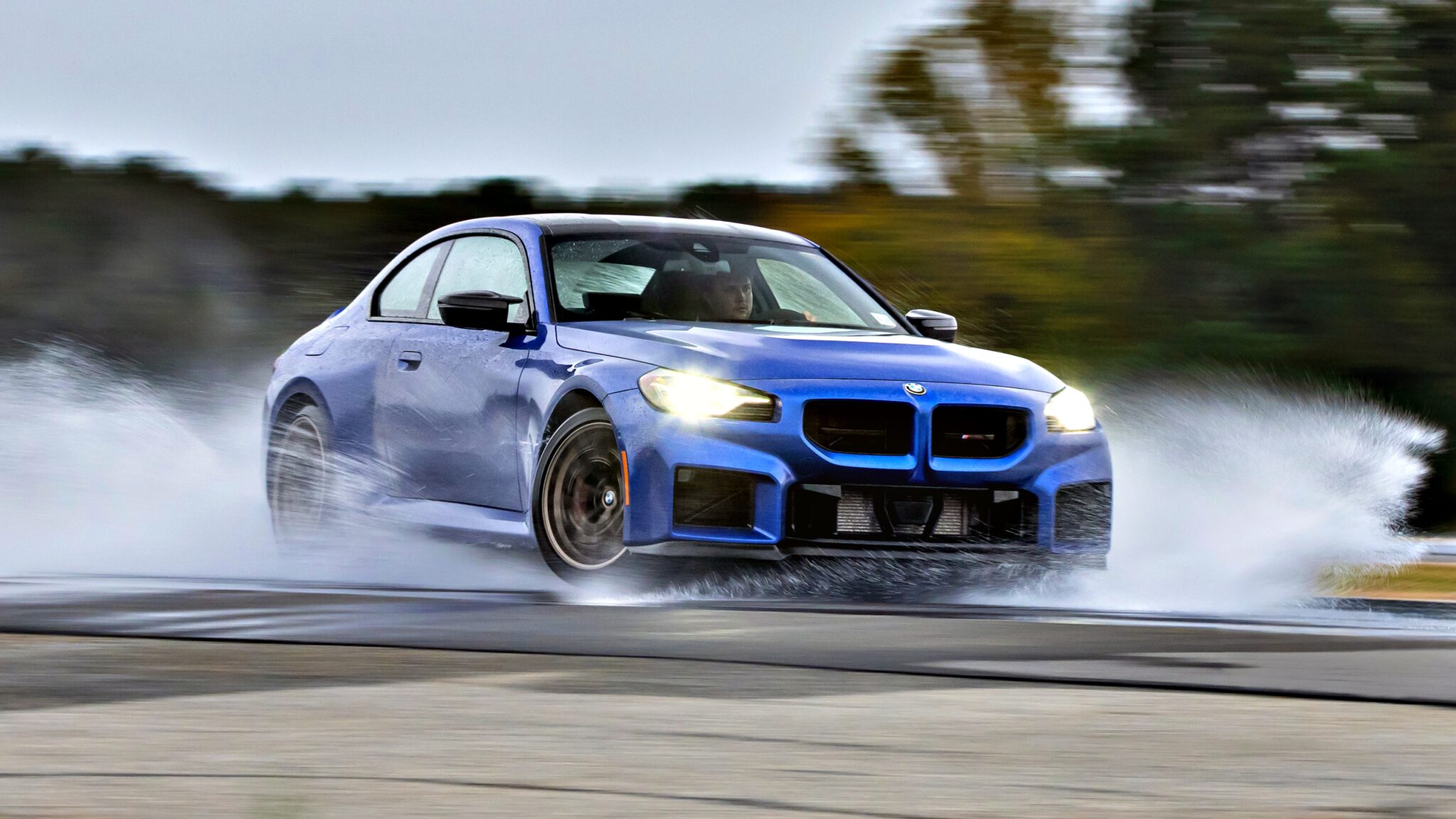
While the CS felt just as capable as I hoped it would on the various low and higher-speed courses at Michelin’s proving grounds, rain prevented me from plumbing the absolute depths of its grip. Its manners on the massive wet skidpad revealed a responsiveness and a sense of inherent front/rear balance that keeps things from getting out of hand unless corners are negotiated with foolish amounts of speed.
After some practice it’s possible to maintain a steady drift, though the CS’s relatively short wheelbase and quick steering require extra attention to keep it in check. A slalom exercise also revealed quick turn-in and agile direction changes. Once again, we’d prefer dry conditions to opine on the CS’s ultimate performance limits, but based on our seat-of-the-pants impressions (not to mention its Nürburgring lap time), this top-shelf Bimmer should not disappoint the speed-hungry.
BMW won’t say how many CSs it can produce at its San Luis Potosi, Mexico final assembly facility, but suffice to say this $100,000 sports coupe will be limited by demand, not production capacity. Considering its $30,000 premium over the already capable M2, the CS appeals to the thinner slice of drivers who crave ultimate bragging rights, know exactly what they want, and don’t feel hampered by the lack of a manual transmission option.
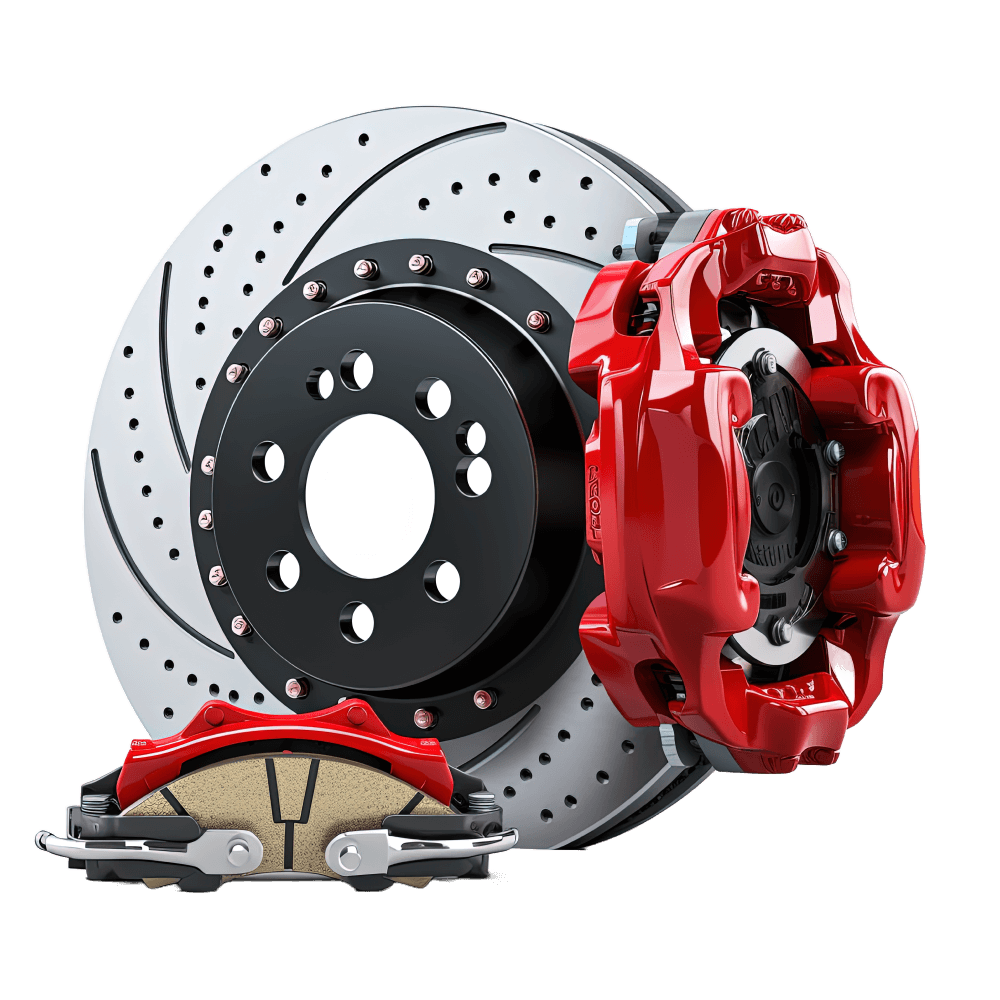
In fact, the CS buyer is likelier to click the few boxes available, among them $8,500 carbon ceramic brakes and even stickier Michelin Cup 2 R or Pirelli P Zero Corsa rubber. Those options push the price over the $110,000 barrier – well above a run-of-the-mill M2, and just ahead of the $103,300 Porsche 718 Cayman GTS 4.0, but still below the Porsche 911 Carrera’s $132,300 starting price.
Images: BMW
The 2026 Ram 1500 Limited welcomes back the beloved 5.7-liter…
Back in 2024, Mercedes-Benz introduced AMG’s first ‘E Performance’ hybrid…
For BMW fanatics, Enthusiast Auto Group (EAG) is a place…
Heavy Hitter Delivers Plug-In Hybrid Punch At the beginning of…
Copyright © 2025 duPont REGISTRY Group.
Copyright © 2025 duPont REGISTRY Group.
Related Article