Some people mark birthdays with a cake or a party.
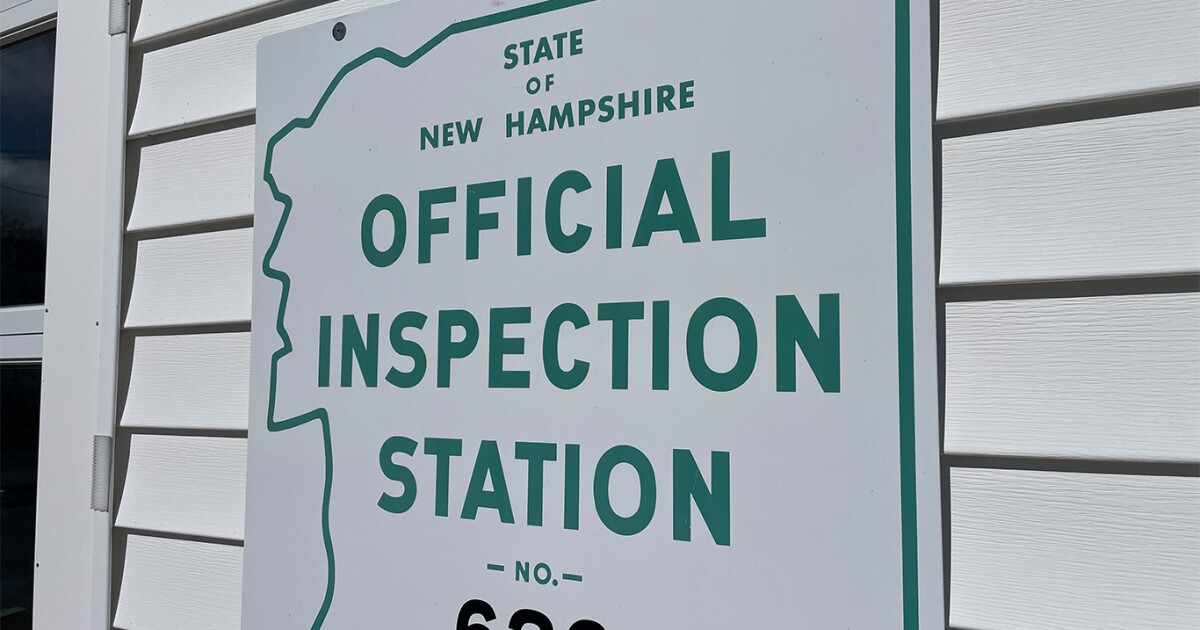
In New Hampshire, a motorist’s birthday also comes with a mandated car inspection.
Last summer, though, state lawmakers voted to end the annual vehicle inspection program. The mandate was set to expire on Jan. 31, but earlier this month, the company that provides emissions testing equipment to vehicle repair shops statewide filed a lawsuit, claiming the state’s actions to end inspections run counter to the federal Clean Air Act.
Here’s a breakdown on where the inspection issue stands, what it means for New Hampshire drivers, and what could happen next:
Come Jan. 31, your jalopy may not need a sticker, depending on what happens with the legal challenge. (More on that below.) But it still needs to be road-worthy.
According to the New Hampshire Department of Safety, “Drivers will still be personally responsible for making sure their vehicles meet all safety standards, even without annual inspections.”
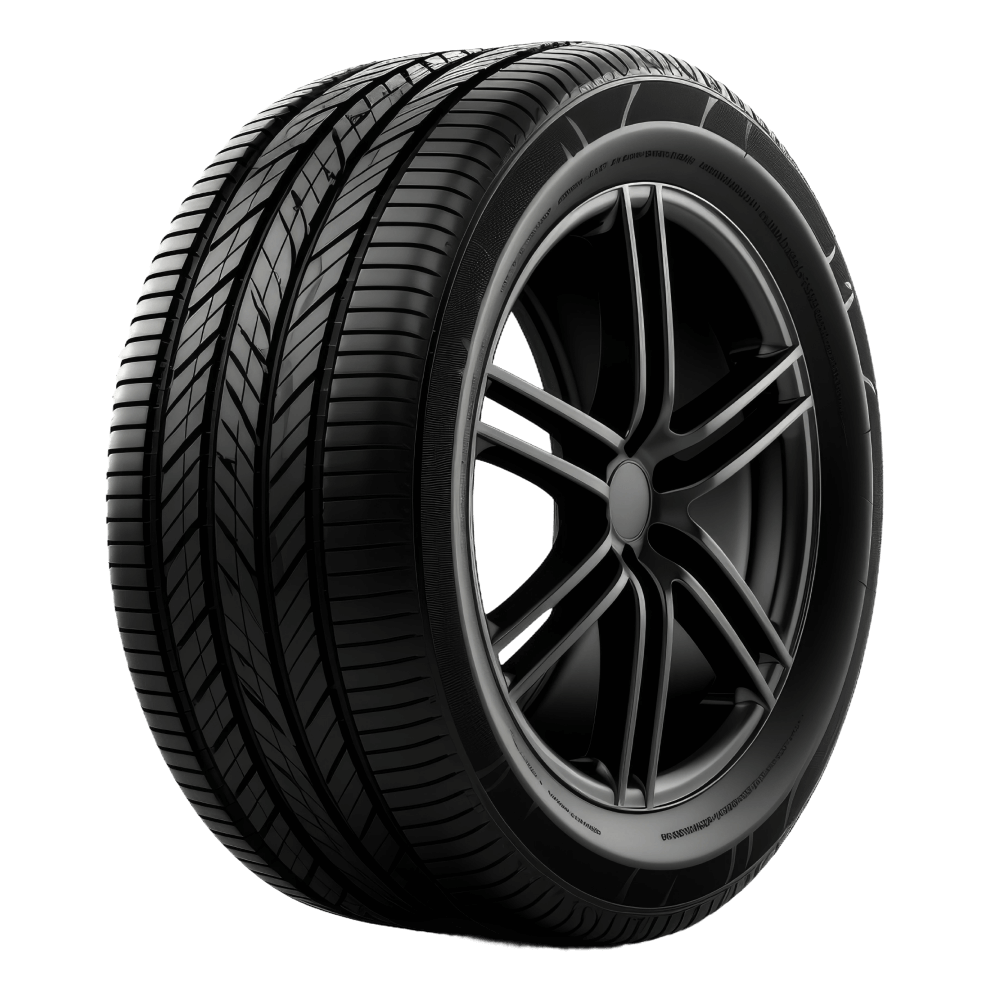
Even without inspections, drivers can still be ticketed for a busted tail light, worn tires, and even exhaust leaks. Mufflers will still be required. Tinted windows are still regulated.
The state has a lengthy list of regulations that will still be enforced by law enforcement agents, even if mechanics no longer are required to flag problems.
As of today, inspections are still required, and all registered passenger vehicles are supposed to have a valid window sticker. So if your birthday is in December or January, state law still requires you to bring your ride in for inspection.
After Feb. 1, stickers will no longer be mandated, unless a federal judge halts the repeal.
But plenty of motorists seem to have already washed their hands of the inspection process.
Data released by Gordon-Darby, the emissions testing company, shows that compared to the same month last year, the number of inspections performed in July fell by about 10%. By November of this year, there were 33% fewer inspections than in Nov. 2024.
Earlier this year, a bipartisan bill to end annual vehicle inspections — both the vehicle safety check and the emissions component — cleared the New Hampshire House with bipartisan support.
Top Republicans cheered the result, calling it a win for personal responsibility.
“Attempts to find compromise with the Department of Safety and auto industry have gone nowhere, leaving everyday drivers stuck with an outdated, costly requirement,” said House Majority Leader Jason Osborne and House Transportation Committee Chair Thomas Walsh in a joint statement in March.
The proposal to end inspections eventually found its way into the state budget, and became law this summer, with the repeal set to take effect on Jan. 31, 2026.
Backers said that drivers for too long had been saddled with extra costs, and that the inspection program didn’t necessarily translate into safer vehicles or fewer crashes.
One caveat to the repeal, though: It only applies to passenger vehicles registered in New Hampshire. All commercial vehicles are still subject to inspections under federal laws.
In October, the manufacturer of the vehicle emissions testing equipment long used by mechanics in New Hampshire sent a warning to state officials: If you follow through on the repeal of the emissions program, a lawsuit will be heading your way.
Earlier this month, the company — Kentucky-based Gordon-Darby — followed through on that promise, alleging that New Hampshire’s decision to end emissions testing violates the federal Clean Air Act, unless the state can first win approval for the change from the U.S. Environmental Protection Agency.
The lawsuit is still in early stages, but Gordon-Darby is requesting a temporary injunction on the repeal, meaning a federal judge could put a pause on the end of inspections. A hearing on that request has been scheduled for Jan. 22, with a decision by the judge possible by the end of that month.
A spokesperson for the EPA told NHPR that the federal government has up to 18 months, under the terms of the Clean Air Act, to make a decision on the state’s request to end emissions testing.
Mechanics contend that losing the annual inspection is about more than missing out on $50 per customer. They see the annual safety checks as a way to spot problems in a vehicle early, helping drivers save money down the road.
“We see stuff ahead of time, before it becomes an issue,” said Dan Weed, owner of Weed Family Automotive, a repair shop in Concord.
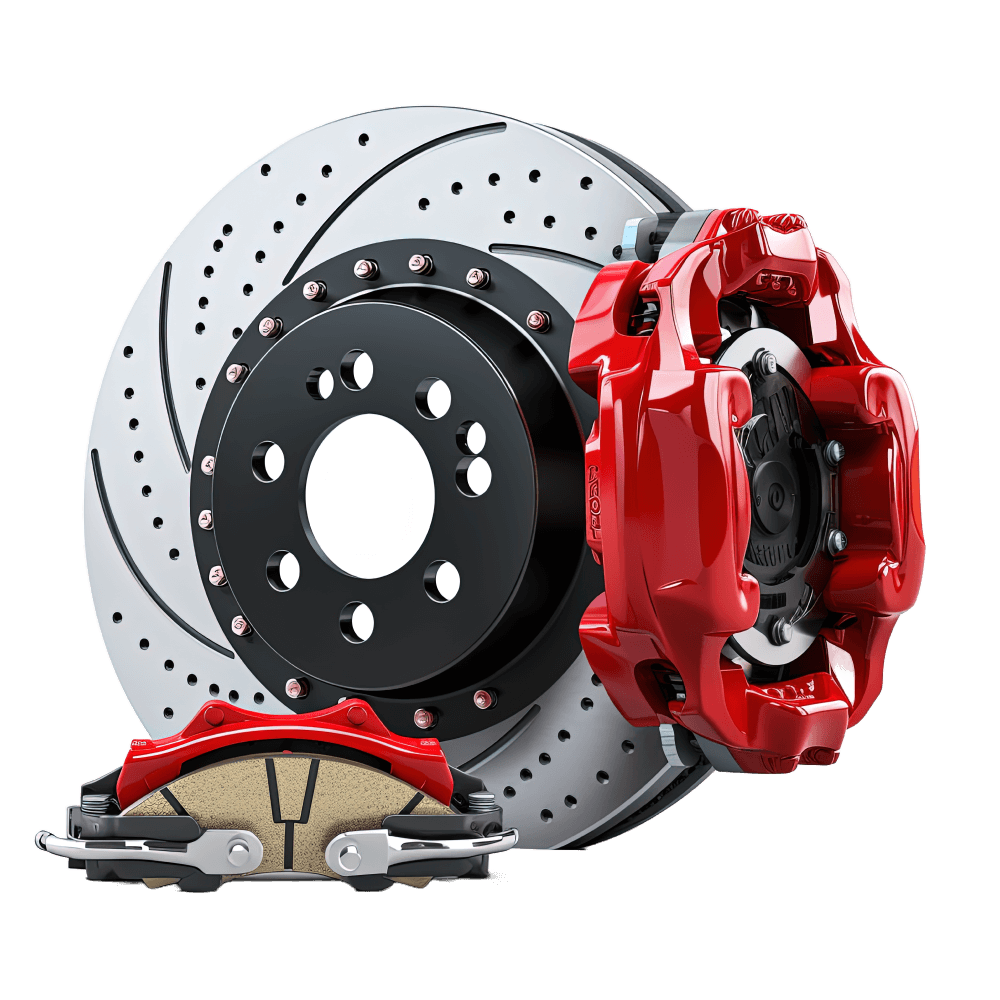
Rather than identifying worn brake pads or a weak ball joint before it becomes an emergency, Weed said drivers now run the risk of having to perform a list of repairs all at once.
Weed also said drivers need to think about their own liability. “What happens going down the road if more and more cars are unsafe, and somebody gets into an accident?” he said. “Where does a liability stand at that point?”
Even if the mandate goes away, Weed said he and other repair shops still plan on offering voluntary safety inspections to customers, and that the demand for that will still be there.
“99% of our customers have said they want to have the car brought in and checked on an annual basis, whether it’s mandated by the state or not,” he said.
NHPR is nonprofit and independent. We rely on readers like you to support the local, national, and international coverage on this website. Your support makes this news available to everyone.
Give today. A monthly donation of $5 makes a real difference.