Uncategorized
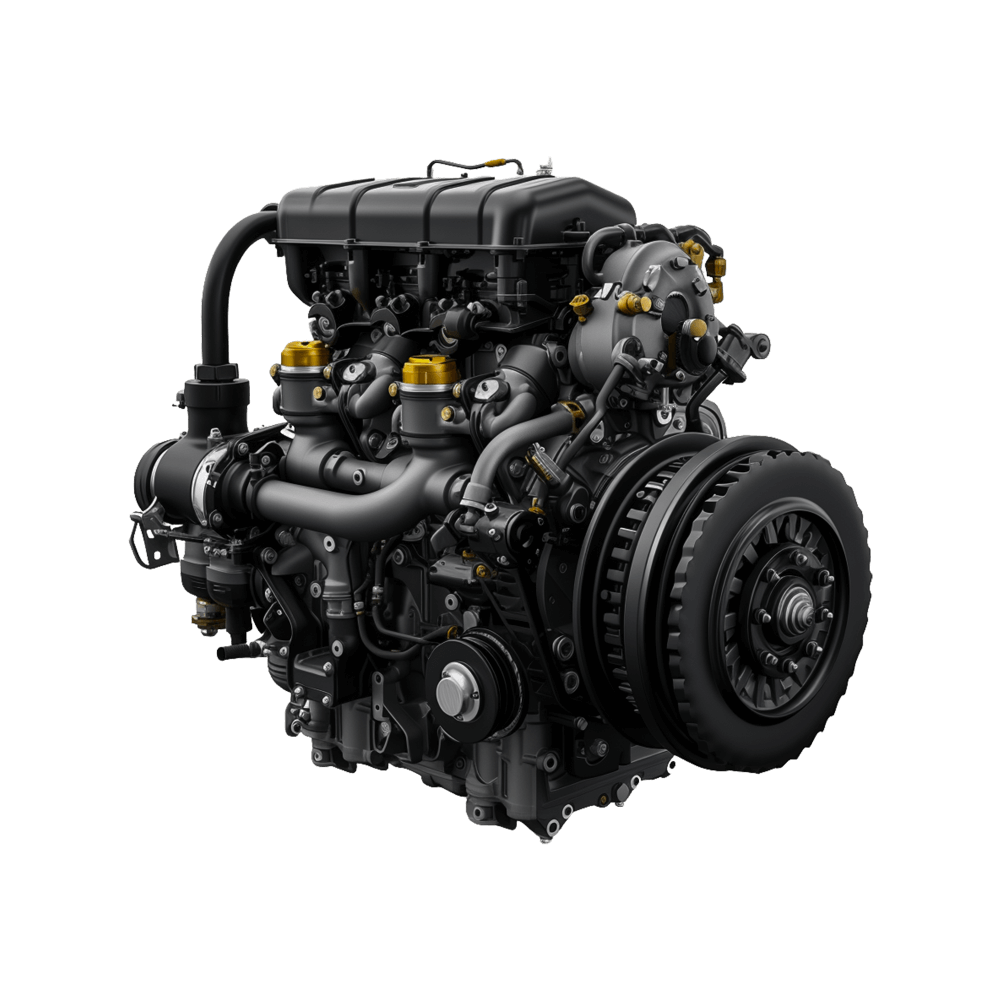
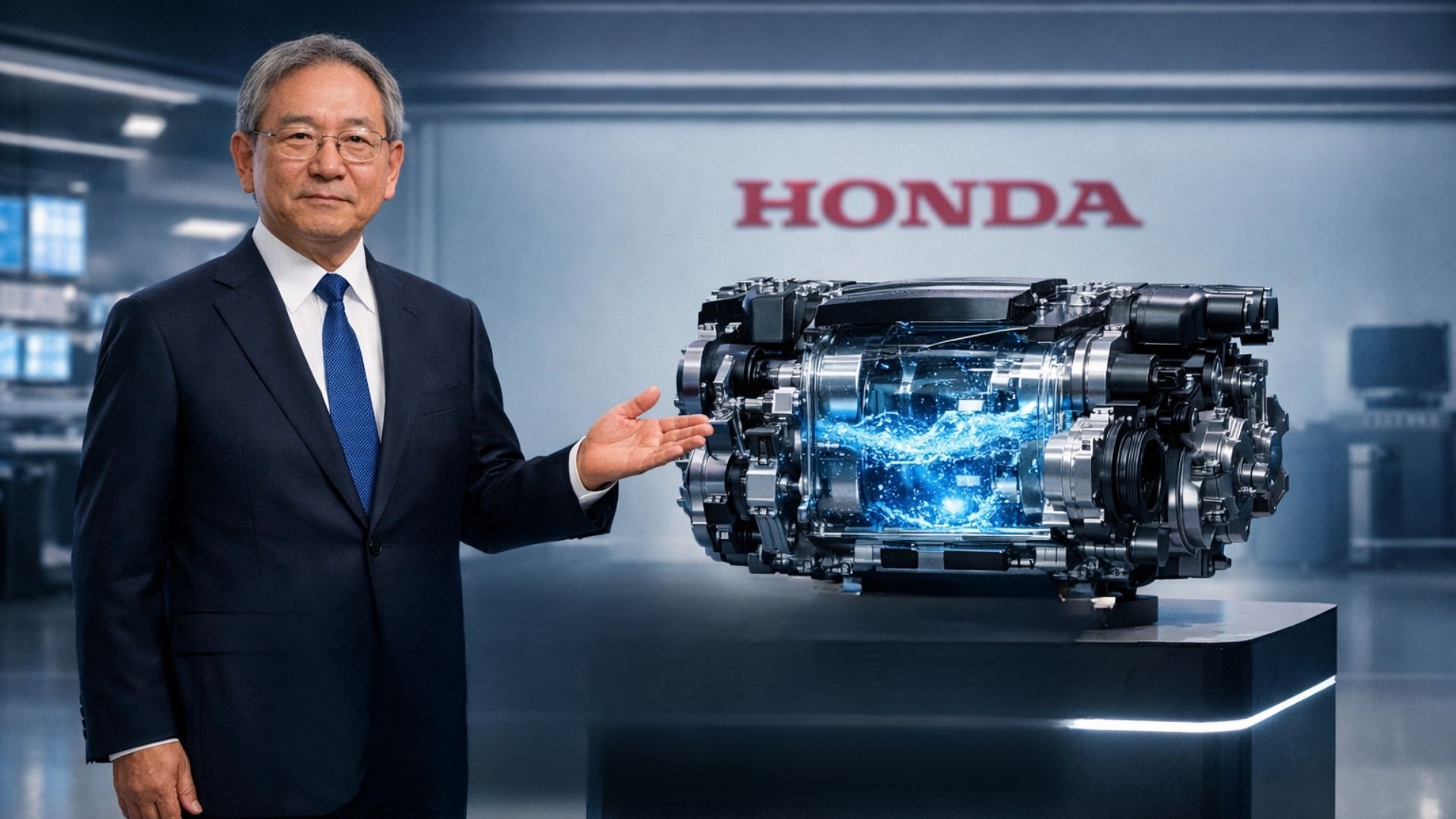
An experimental technology attributed to Honda has reignited the global debate about the future of mobility by suggesting an engine that would utilize… Water as a primary input, without batteries, fossil fuels or hydrogen tanks.
The information was originally presented by [Full name of the author not identified in the original material], from Mobility Channel, in a video that began circulating widely on social media and was echoed across various digital platforms.
According to the channel, the alleged breakthrough was demonstrated privately at a Honda testing facility in Saitama Prefecture, Japan.
Girl learns to read on her own before age 4, speaks fluent English, masters the Korean alphabet and, at 11, joins Mensa Brazil after school identifies rare signs of giftedness and changes the entire school routine.
Brazil on high alert at its border with Argentina: cattle smuggling from the neighboring country is advancing in the south of the country and jeopardizing the multi-billion dollar export market for Brazilian meat.
New structural slab with ‘plastic spheres’ reduces concrete use by up to 40%, decreases the weight of the structure, and is already being applied in buildings and parking lots around the world.
Take a course at USP without leaving home: University of São Paulo opens places in free training programs with certification.
According to the account presented in the video, engineers from the automaker showcased a functional prototype capable of generating hydrogen in real time from the separation of water molecules.
According to the channel, this hydrogen would be used immediately in combustion, releasing steam as a byproduct.
According to the Mobility ChannelThe vehicle would not use traction batteries or pressurized hydrogen tanks.
The channel states that the proposal would circumvent bottlenecks associated with large-scale electrification, such as dependence on strategic minerals and the need for high-power charging networks.
As described in the video, the presentation reportedly took place without official announcement and involved only a small group of technicians.
The channel’s creator reports that, after the demonstration, the topic began circulating among investors and analysts in the automotive sector.
According to Mobility ChannelThis movement is believed to have caused fluctuations in the stock prices of companies linked to electric mobility, including Tesla and battery manufacturers.
The video argues that the uncertainty is not solely linked to the prototype’s performance.
According to the channel, the main factor would be… potential impact on consolidated production chains, especially those associated with lithium-ion batteries.
So far, however, there is no public confirmation specific variations in market value directly associated with this event.
There are also no official statements from the companies mentioned linking stock market movements to the technology described.
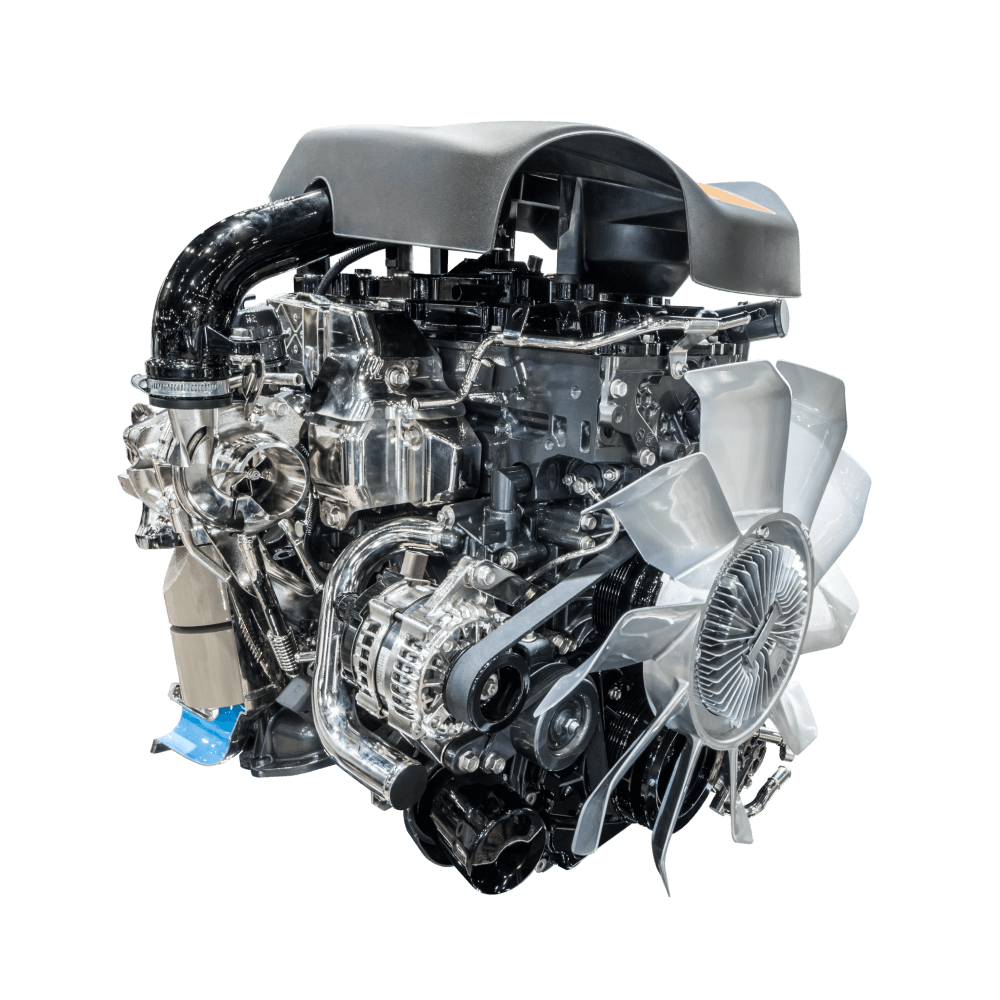
According to the explanation presented on the channel, the system would combine a reinforced internal combustion engine with a water separation device.
This process would utilize high-frequency vibrations and proprietary catalysts, as described in the video.
Hydrogen would only be produced at the time of use.
According to Mobility ChannelThis would eliminate the need for gas storage and compression.
Oxygen, in turn, would be released or reused in the process.
The channel also states that the estimated consumption would be a few liters of water for every 100 kilometers driven.
According to the video, the performance would be comparable to that of high-powered electric vehicles.
Among the figures mentioned is acceleration from 0 to 100 km/h in just over four seconds.
The range, as reported, could exceed 700 kilometers, depending on the reservoir volume.
Experts who discuss the topic in academic and technical settings often emphasize that The separation of water into hydrogen and oxygen requires a large amount of energy..
According to scientific literature, this factor has historically limited the viability of this type of system without a significant external energy source.
So far, Honda has not released technical data, peer-reviewed studies, or independent test results that confirm the features presented in the video.
As reported by the author of Mobility ChannelThe initiative is believed to have originated from an internal program that began in the 2000s.
According to the video, the project was informally called “Aquadrive”.
According to the channel, the initiative was shelved for strategic reasons.
The content states that the project was resumed in 2025.
This move reportedly occurred amid growing criticism of the battery production chain.
The video also links the resumption to recent debates about safety and sustainability in the automotive sector.
Honda has a public history of investing in different technological avenues.
These include hybrid vehicles and hydrogen fuel cell systems, such as the now-defunct Clarity.
However, There are no official announcements. that indicate a strategic shift towards engines based on the instantaneous generation of hydrogen from water.
In the video, the Mobility Channel It argues that if the technology proved viable on an industrial scale, it would have significant impacts on the automotive industry.
According to the channel, effects would also be felt in the mining, energy, and infrastructure sectors.
The author argues that water could play a direct role in the energy matrix of transportation.
Industry analysts often point out, however, that such a transition would raise new regulatory challenges.
Among them is the potential pressure on water supply systems in already vulnerable regions.
Legal adaptations would also be necessary for a technology that doesn’t clearly fit into current vehicle categories.
Another point highlighted in the video is the absence of public statements from industry executives.
Among the names mentioned is Elon Musk, CEO of Tesla.
According to Mobility ChannelThe silence would indicate caution in the face of a possible technological disruption.
Until now, however, There are no verifiable records. changes to schedules or suspension of projects by major automakers in direct response to the allegations presented.
In previous statements regarding similar rumors, Honda has typically reaffirmed its commitment to multiple mobility solutions.
According to the company, these initiatives always depend on scientific validation, economic viability, and regulatory compliance.
Although the content disclosed by Mobility Channel While it has broadened the debate on alternatives to battery-based electrification, the topic remains without independent proof.
Recent history in the automotive industry includes promising announcements that never progressed to mass production.
This pattern is more common in proposals that involve solutions that challenge known technical limitations.
Without publicly available technical documentation, independent testing, or an official statement from Honda, the so-called technology of The term “water-powered engine” remains in the realm of unverified claims..
Nevertheless, the video’s impact highlights a genuine concern within the sector.
This involves seeking solutions that reduce costs, dependence on scarce resources, and environmental impacts.
Given this scenario, the debate remains open regarding the true scope of the information released and its potential implications for global mobility.
Journalist graduated in 2017 and working in the field since 2015, with six years of experience in print magazines, stints on broadcast television channels, and over 12 online publications. He specializes in politics, employment, economics, courses, and other topics, and is also the editor of the CPG portal. Professional registration number: 0087134/SP. If you have any questions, want to report an error, or suggest a story on the topics covered on the website, please contact us at alisson.hficher@outlook.com. We do not accept resumes!
© 2025 Click Oil and Gas – All rights reserved