Much of the southern and eastern United States are preparing for snow and ice this weekend as a winter storm barrels across the country.
But while some northern states are more prepared for wintery weather, the south is less prepared, and many older homes don’t have garages to protect vehicles from ice.
Whether your car is parked in a carport or out in the elements, here’s how to prepare your vehicle for a winter storm, according to the National Highway Traffic Safety Administration.
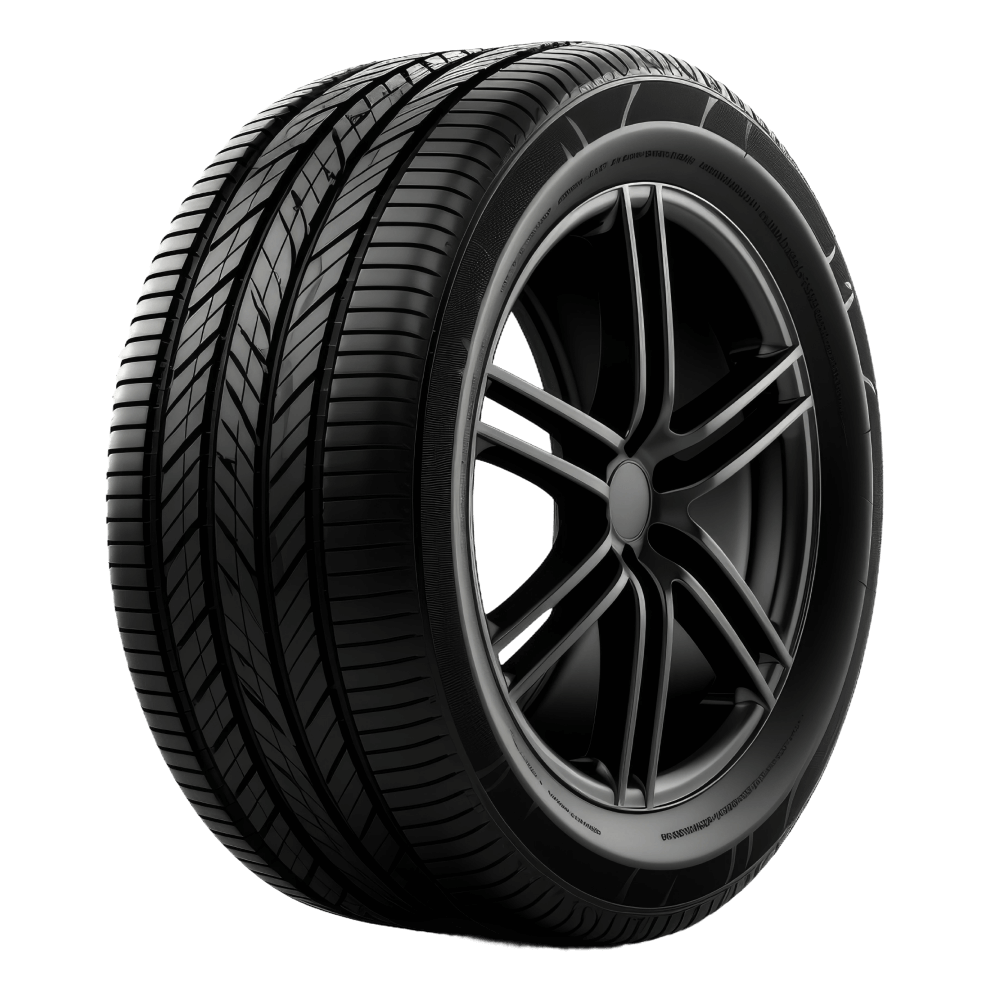
When the outside temperature drops, so does the pressure within your vehicle tires. That means if your tires have already deflated a little since they were filled, they can drop below the safe driving level.
Before a storm, make sure that your tires are filled to the manufacturer’s recommended inflation pressure. This can be found in your vehicle’s owner’s manual or on a label on the driver’s side door frame in most vehicles. Use this pressure guide instead of one on the tire itself, which is just the maximum pressure it can hold, not the recommended driving pressure.
Tires should be replaced on average every 6 years.
Other than your tires, you should do a safety check of your other vehicle systems.
Check to make sure headlights, brake lights, turn signals, emergency lights and interior lights are functioning. Make sure if you’re pulling a trailer that those brake lights and turn signals also work.
Fill your windshield wiper fluid and make sure they have new, fresh blades. You can also install heavy-duty winter wipers if you plan to do a lot of driving.
If your car is going to stay in one place while the storm hits, you can lift up your windshield wipers to avoid them becoming trapped under a lot of snow or frozen to the windshield. This can put stress on the springs of the wipers, but it saves the wiper motor from trying to push through snow and ice to move the wipers.
If you plan to drive, in your car bring a broom or ice scraper, sand or kitty litter to help your tires get traction if you become stuck in the snow, jumper cables, a flashlight, warning devices like flares, a first aid kit, blankets, a cell phone charger, water, non-perishable food and necessary medicine.
If you’re planning on using your vehicle while it’s extremely cold outside, and may plan to take your child with you, it’s important to remember that heavy clothes can impact how well a car seat will protect your child.
Instead of buckling a child into the car seat over their heavy clothing, keep your child in light layers, put on the buckles, then place blankets or coats over the child to keep them warm.
Use the child car seat inspection station locator for a free car seat inspection or a virtual inspection.
Whether it’s a traditional gas vehicle, a hybrid or an electric car, it’s important to keep your gas tank or battery full before a storm. Car batteries can lose some of their storage and delivery capacity during cold temperatures.
You should also plan a route before you decide to drive. Icy conditions will make lots of travel near impossible, but if you must go on the road, check for closures or to see where the road may have already been salted or cleared.
Other than using the defrost function within your vehicle, there are a few safe ways to get visibility back.
You can use a de-icing spray made from two parts rubbing alcohol and one part water and spray it onto the windshield to melt the ice. You can also try a vinegar spray that is three parts vinegar, one part water.
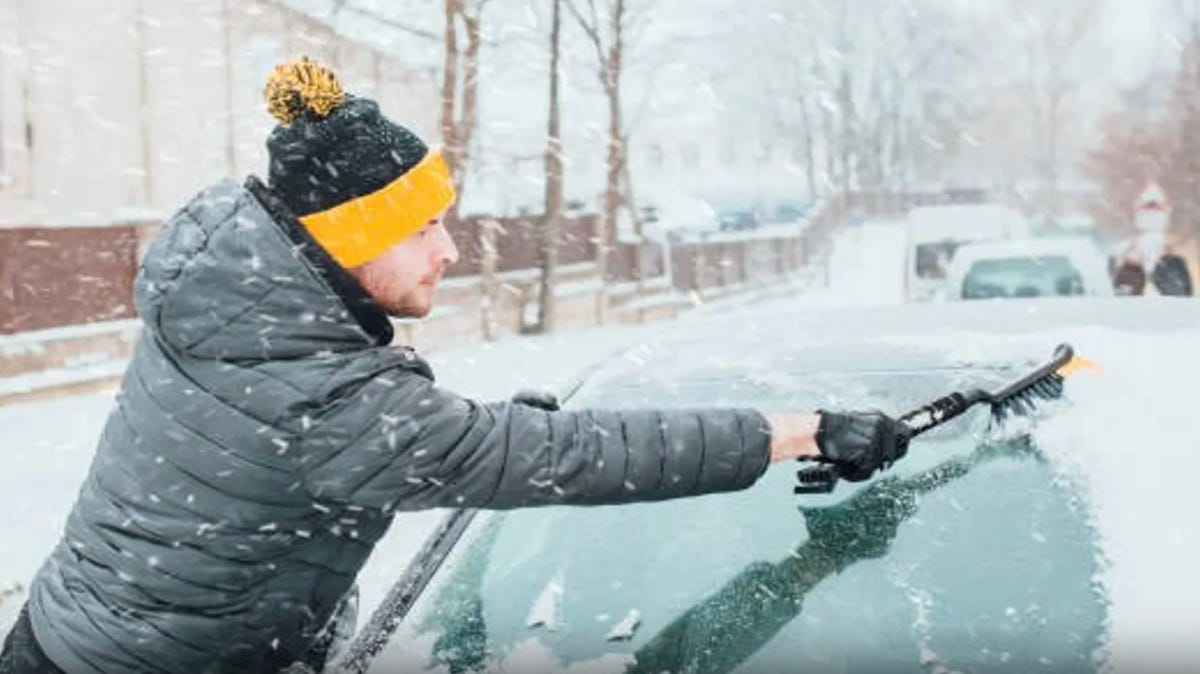
A general ice scraper can also work to slowly chip away at windshield ice.
You can also try to fill a plastic bag with warm, but not hot, water and slowly drag it across the windshield to slowly melt ice.
Do not put hot water onto the windshield, as it will likely also crack the glass underneath.
Irene Wright is the Atlanta Connect reporter with USA Today’s Deep South Connect team. Find her on X @IreneEWright or email her at ismith@usatodayco.com.
Related Article