Chinese carmakers have undergone one of the fastest quality transformations in modern automotive history, News.Az reports.
Two decades ago, Chinese vehicles were often associated with low reliability, basic engineering and limited safety features, making them uncompetitive in international markets. Today, Chinese brands are exporting millions of vehicles every year, winning awards for design and technology, securing the highest safety ratings and challenging established manufacturers across Europe, the Middle East, Latin America and Southeast Asia. This article provides an evergreen, comprehensive look at how Chinese car quality has improved, the forces driving this change and what it means for the global industry.
Historical background: from low-cost manufacturing to strategic innovation
In the early 2000s, China’s automotive sector focused primarily on meeting domestic demand for affordable cars. Manufacturers produced low-cost vehicles with simple technology, minimal electronics and basic safety structures. The emphasis was quantity rather than quality. Foreign automakers operating joint ventures with Chinese companies dominated the market, and local brands struggled to compete on engineering standards.
However, by the late 2000s and early 2010s, several strategic developments pushed Chinese manufacturers toward higher quality ambitions:
government support for industrial upgrading.
China launched large-scale initiatives to strengthen domestic carmakers, including financial incentives, research grants, technology parks and production subsidies. Quality improvement became a national priority.
rapid talent acquisition.
Chinese companies hired engineers, designers and executives from top global automakers. This influx of expertise accelerated advancement in chassis engineering, powertrain development and safety design.
partnerships and acquisitions.
Chinese firms acquired or partnered with established brands. Geely’s takeover of Volvo in 2010 and SAIC’s collaboration with GM accelerated knowledge transfer in safety systems, materials science and manufacturing processes.
focus on exports and brand image.
To succeed internationally, Chinese automakers needed to meet the world’s strictest safety, durability and emissions standards. This forced rapid modernization.
Together, these factors built the foundation for China’s current automotive rise.
Quality breakthroughs in materials, safety and engineering
Over the last decade, Chinese manufacturers have significantly upgraded core quality dimensions:
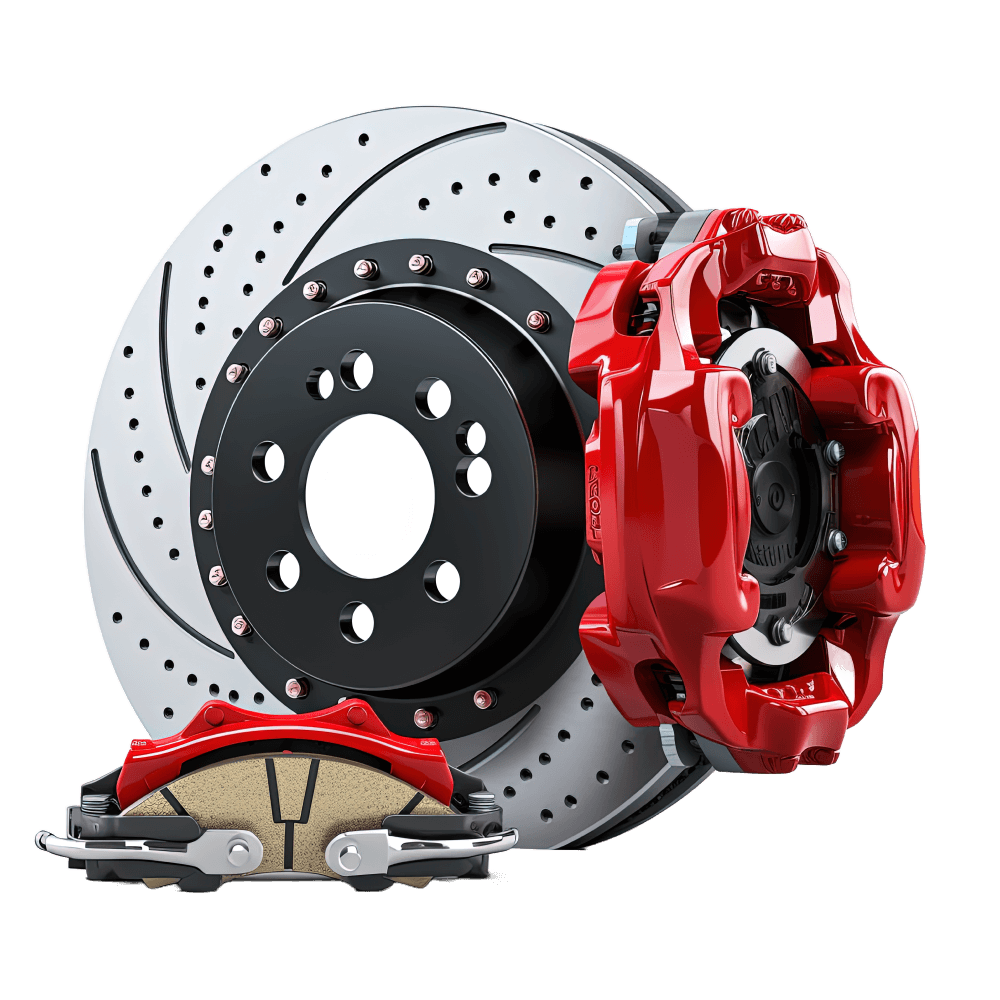
structural integrity and crash safety
Chinese brands now regularly achieve top Euro NCAP, ASEAN NCAP and Australasian NCAP safety ratings. Vehicles from BYD, Geely, Chery, MG (SAIC) and GWM have earned five-star scores, reflecting major improvements in:
high-strength steel use
advanced welding and bonding techniques
redesigned crumple zones
multi-airbag systems
electronic stability control integration
These improvements make new Chinese models competitive with long-established Japanese, Korean and European brands.
powertrain and battery technology
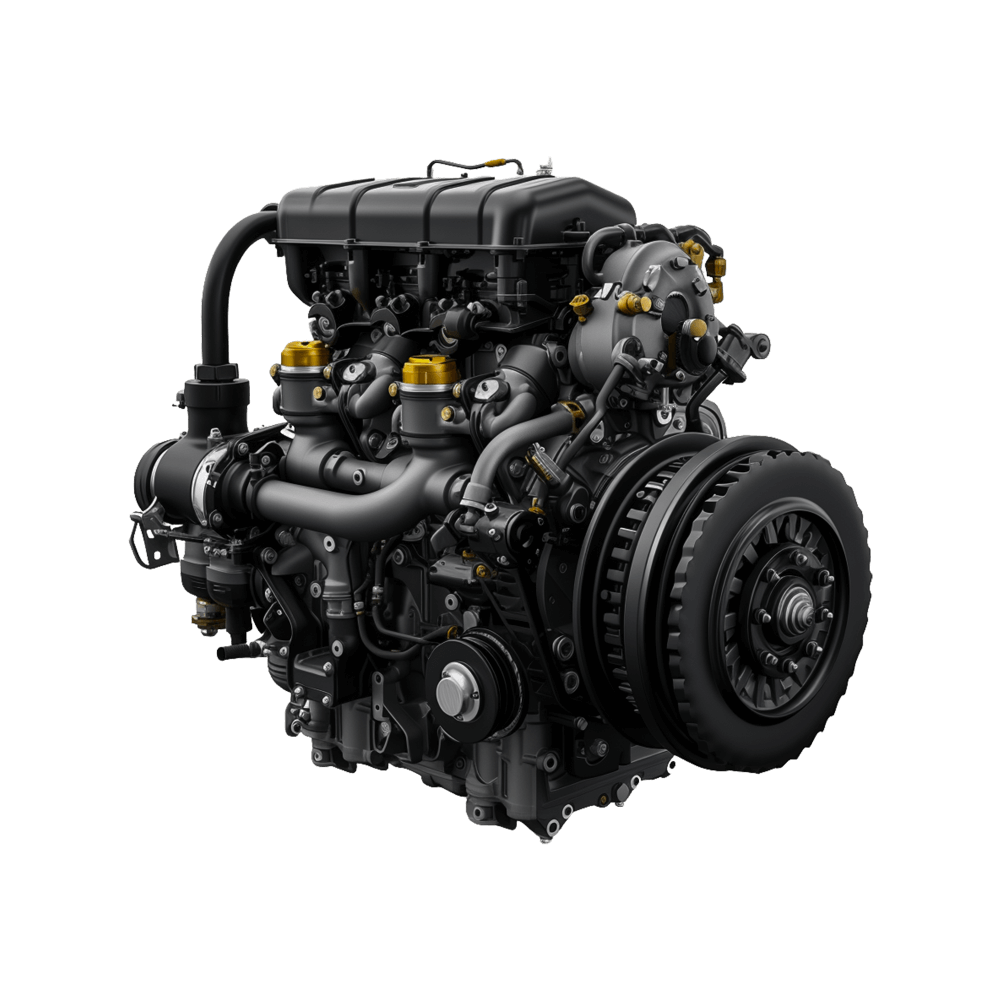
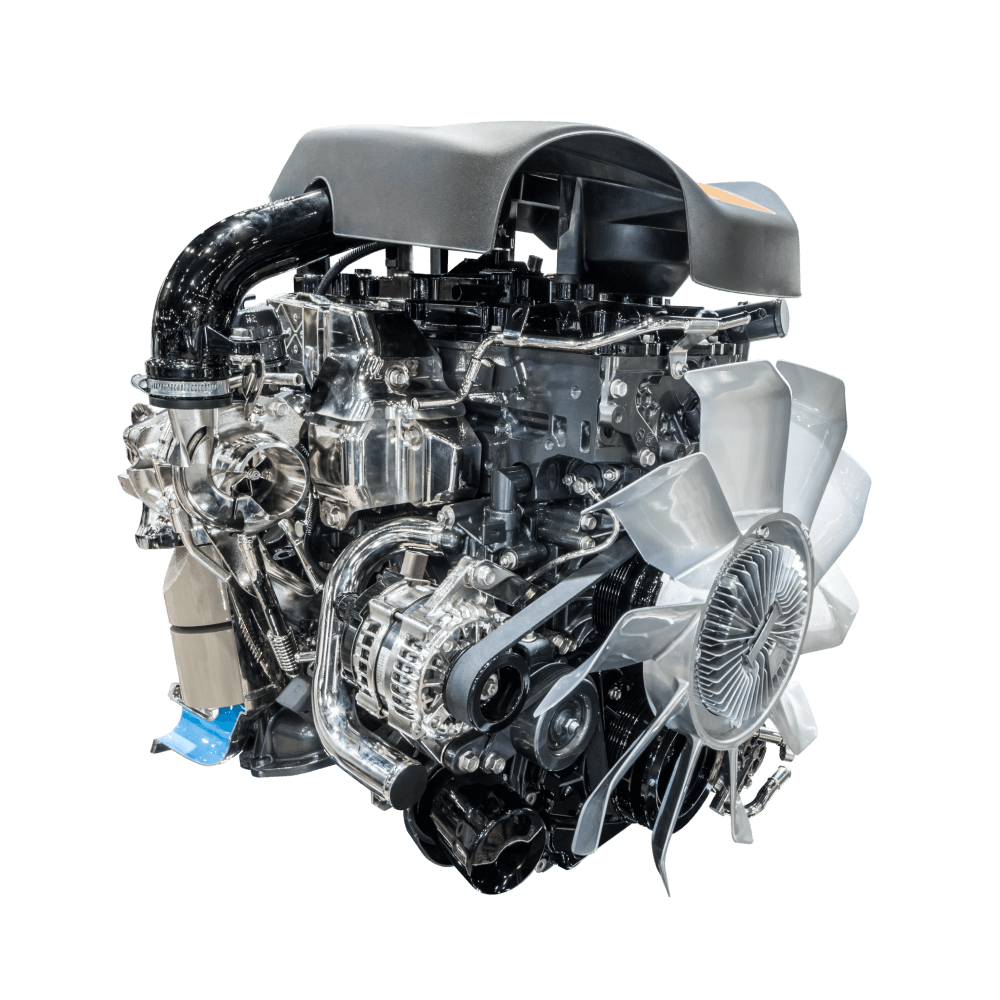
Traditional internal combustion engines from Chinese manufacturers historically lagged behind global competitors. However, hybrid and electric powertrains have become China’s defining strength.
Battery quality, efficiency and durability have improved dramatically. CATL and BYD are now two of the world’s leading battery manufacturers, supplying global brands such as Tesla, BMW, Mercedes-Benz and Toyota.
Fit-and-finish quality
Interior materials, assembly precision and noise insulation—once weak points—have improved significantly due to:
modern automated production lines
strict quality control standards
premium materials like soft-touch plastics and leather alternatives
better aerodynamics and suspension tuning for comfort
Recent models demonstrate levels of craftsmanship that surpass expectations for their price categories.
Infotainment and software leadership
China’s advantage in consumer electronics has translated directly into automotive technology. Many Chinese cars now lead in:
large, high-resolution touchscreens
advanced voice recognition
over-the-air updates
integrated digital assistants
smart navigation
360-degree cameras and parking automation
In emerging markets, the technology inside Chinese vehicles often outperforms similarly priced Japanese or Korean models.
Rise of electric vehicles: the main driver of quality transformation
Electric vehicles (EVs) are the strongest area of Chinese automotive innovation. China is the world’s largest EV market, and domestic brands dominate it. This dominance creates enormous economies of scale, allowing Chinese companies to invest heavily in research and development.
Key strengths include:
advanced battery chemistry
LFP (lithium iron phosphate) batteries, largely perfected in China, offer long life, stability and lower cost.
integrated platforms
Manufacturers like BYD build entire EV systems in-house—battery, motor, electronics, software—allowing tighter quality control.
mass production efficiency
China produces more EVs than any other country, enabling lower costs and consistent quality through repetition.
global expansion
Chinese EVs are now sold in Europe, the Middle East, Central Asia, Latin America and Africa, meeting strict regulatory standards.
BYD, MG4, NIO, Xpeng and Geely’s Zeekr are well-known examples of Chinese brands earning positive reviews from international automotive journalists for refinement, efficiency, design and technological sophistication.
Global perception shift: from imitation to innovation
Chinese cars were once criticized for copying designs from foreign models. However, today’s Chinese brands are recognised for:
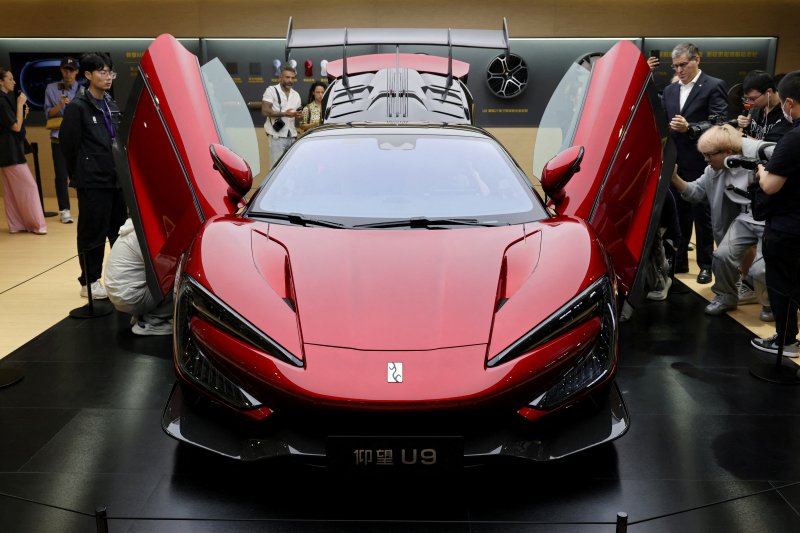
original exterior styling
premium interior layouts
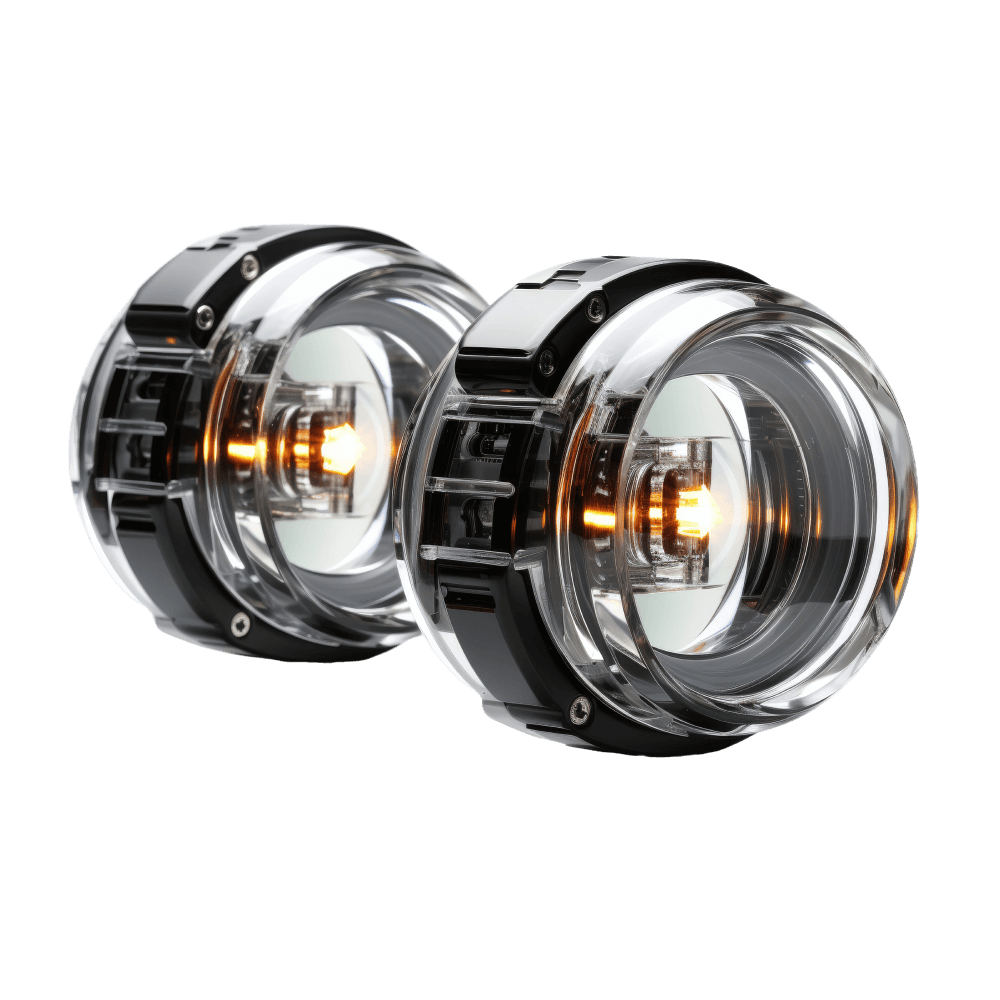
innovative lighting designs
futuristic cabin interfaces
Chinese vehicles regularly appear in global design awards. The shift from imitation to innovation has strengthened the reputation of manufacturers internationally.
Cost-quality advantage
One of the biggest competitive advantages for Chinese automakers is delivering high quality at lower prices. Several structural factors enable this:
lower production and labour costs
massive domestic supply chain
government-supported EV infrastructure
economies of scale that reduce battery prices
integrated manufacturing that avoids outsourcing
As a result, Chinese cars often combine strong performance, advanced features and competitive pricing, making them attractive to consumers worldwide.
Challenges that remain for chinese automakers
Despite major improvements, Chinese brands still face obstacles that influence global perception:
Brand trust
In some regions, consumers still associate Chinese goods with lower durability. Chinese carmakers must continue building a track record of long-term reliability.
After-sales service
Entering new markets requires networks of dealerships, service centres and spare-parts logistics. Building this infrastructure takes time.
Engineering consistency
Quality varies across manufacturers. Top-tier brands like BYD or Geely deliver strong reliability, but smaller brands may still struggle.
Regulatory and geopolitical barriers
Import restrictions, tariffs and political concerns—especially in Europe and the United States—can affect expansion.
competition in premium segments
While Chinese EVs compete well with affordable and mid-range models, competing with high-end luxury brands remains challenging.
The future outlook for chinese car quality
Most experts agree that Chinese manufacturers will continue improving rapidly. Several trends reinforce this trajectory:
ongoing investment in research and development
Chinese automakers collectively spend billions on software, artificial intelligence, autonomous driving and battery technologies.
global manufacturing expansion
New factories in Europe, Central Asia, the Middle East and Latin America will improve quality consistency and reduce logistical barriers.
stronger international collaborations
Partnerships with global suppliers, designers and engineering firms will reinforce international standards.
growing brand recognition
As more Chinese cars receive awards, pass durability tests and gain positive customer feedback, brand prestige continues to rise.
leadership in the EV sector
Given China’s dominance in battery technology and EV production, Chinese brands are expected to remain highly competitive globally.
Conclusion
Chinese car quality has evolved from basic, low-cost vehicles to globally competitive products equipped with advanced technology, strong safety features and refined engineering. This transformation is reshaping global automotive dynamics. Chinese automakers are no longer simply followers; in many areas—especially electric vehicles—they are leading innovation.
As these brands expand further into world markets, consumers will increasingly evaluate them not by old stereotypes but by real performance, safety ratings and long-term reliability. The rise of Chinese car quality marks a significant turning point in the global automotive landscape, challenging established players and accelerating innovation across the entire industry.
News.Az
News.Az is an Azerbaijani informational-analytical news portal that publishes a wide range of content, including analytical materials, in-depth articles, insightful commentaries, and the latest news.
© 2009-2025 NEWS.AZ | Any use of materials is allowed only if there is a hyperlink to News.Az. All rights are reserved.
Related Article