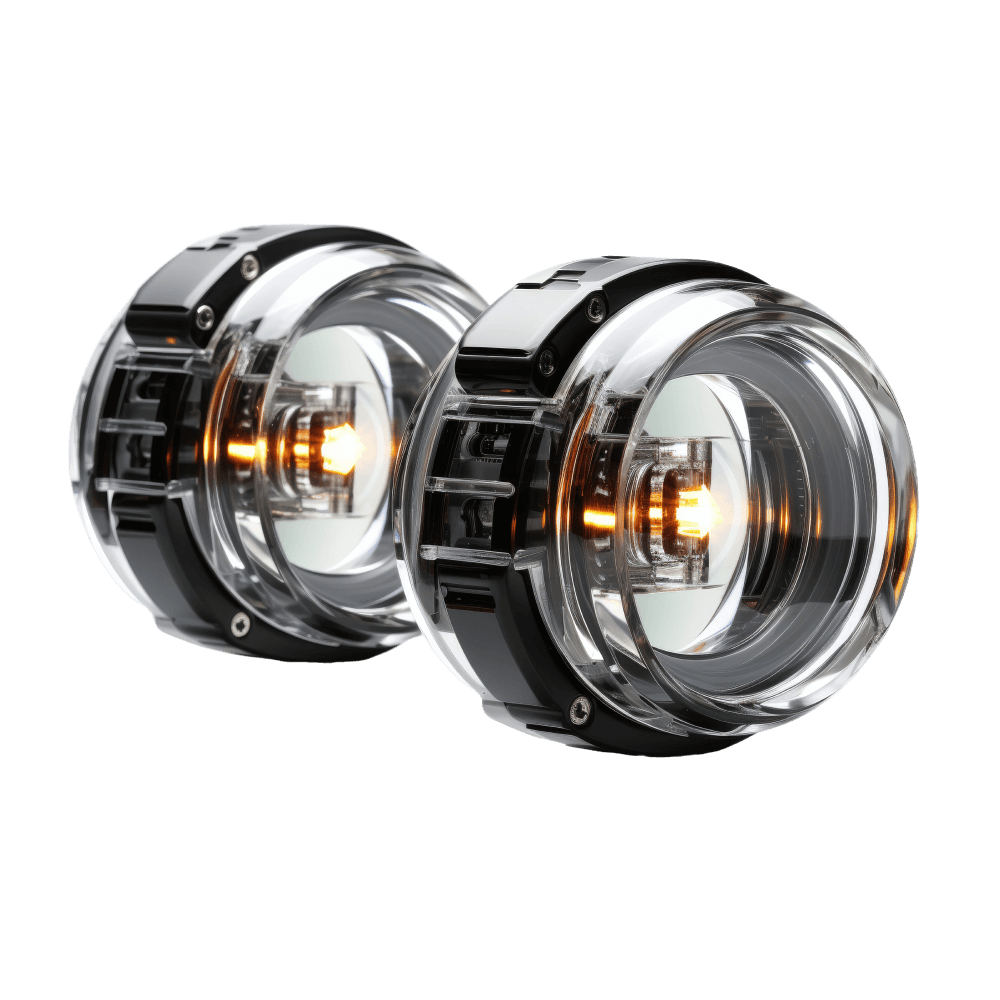
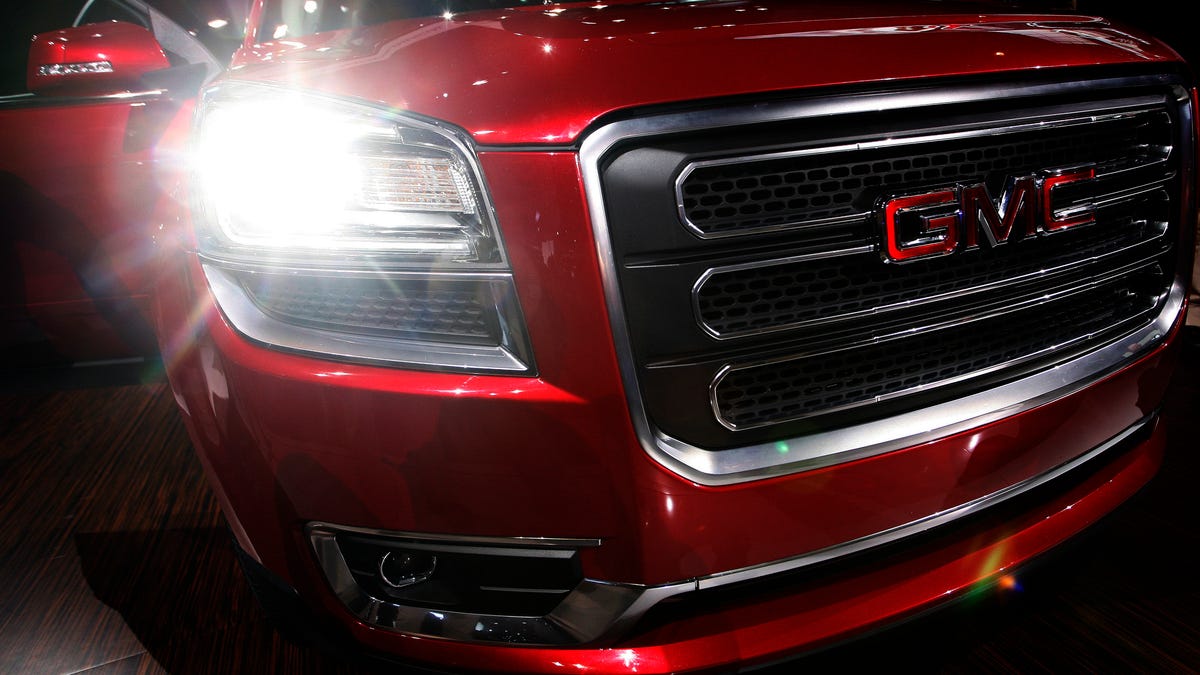
Many New Jerseyans are familiar with the practice of flashing their car’s high beams at a passing vehicle on the road.
The gesture is not part of a gang initiation, as a popular urban legend states. Rather, it is generally understood as a way to warn other drivers of an upcoming obstacle or police vehicle on the roadway.
Flashing headlights has become a common courtesy to keep roadways safe and avoid traffic stops for unsuspecting motorists. But according to New Jersey laws concerning use of the beams, is the practice actually legal?
The state’s statute on motor vehicle lighting tends to discourage shining high beams as a general rule. The language states drivers should ensure their car’s headlights “are not projected into the eyes of the oncoming driver.”
But the New Jersey Superior Court ruled in 1999 that flicking high beams on and off is free speech and thus protected by the First Amendment. The case involved a Middlesex County woman who flashed her lights at an oncoming vehicle, which turned out to be a police car, to warn of a speed trap.
In 2018, a bill was introduced in the New Jersey Legislature in an attempt to codify the legality of shining high beams to signal other vehicles. The measure explicitly stated that a driver would not be penalized for flashing their headlights “to warn the operator of another motor vehicle of a traffic accident, a road hazard, or the presence of law enforcement officers enforcing the speed limit.”
A 2014 Courier-Post article said law enforcement officials in New Jersey rarely cite motorists for improperly using their high beams. When they do, the ruling is often accompanied by another violation.
Related Article