After military service a career as war correspondent was on the cards. But then an exclusive bursar programme in automotive journalism came ‘a-knockin’ – and so a 26-year journey spanning newspapers, magazines and television kicked off.
As managing editor of a leading adventure magazine, Danie traveled the world in search of adventure. Between creating new TV shows, setting new motoring records and running an NPO for kids with cancer, Danie still finds time to write about cars, as often as he can.
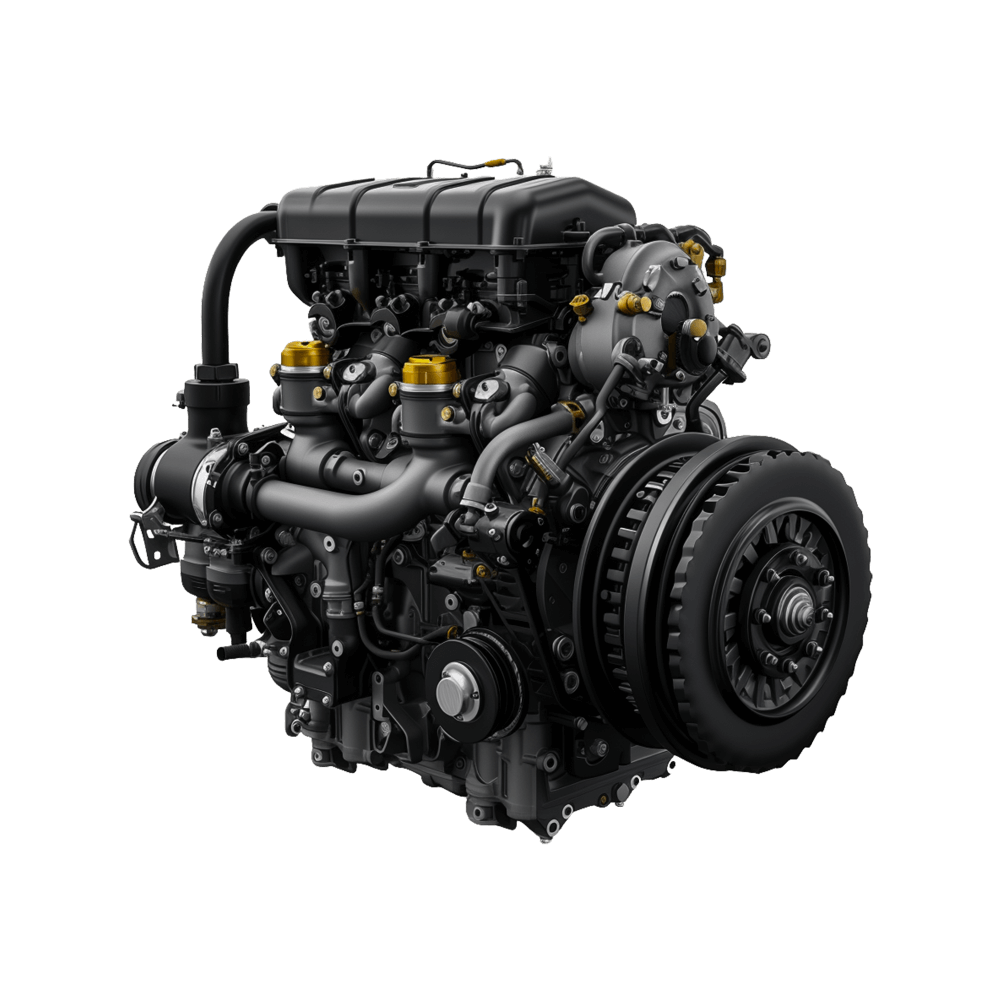
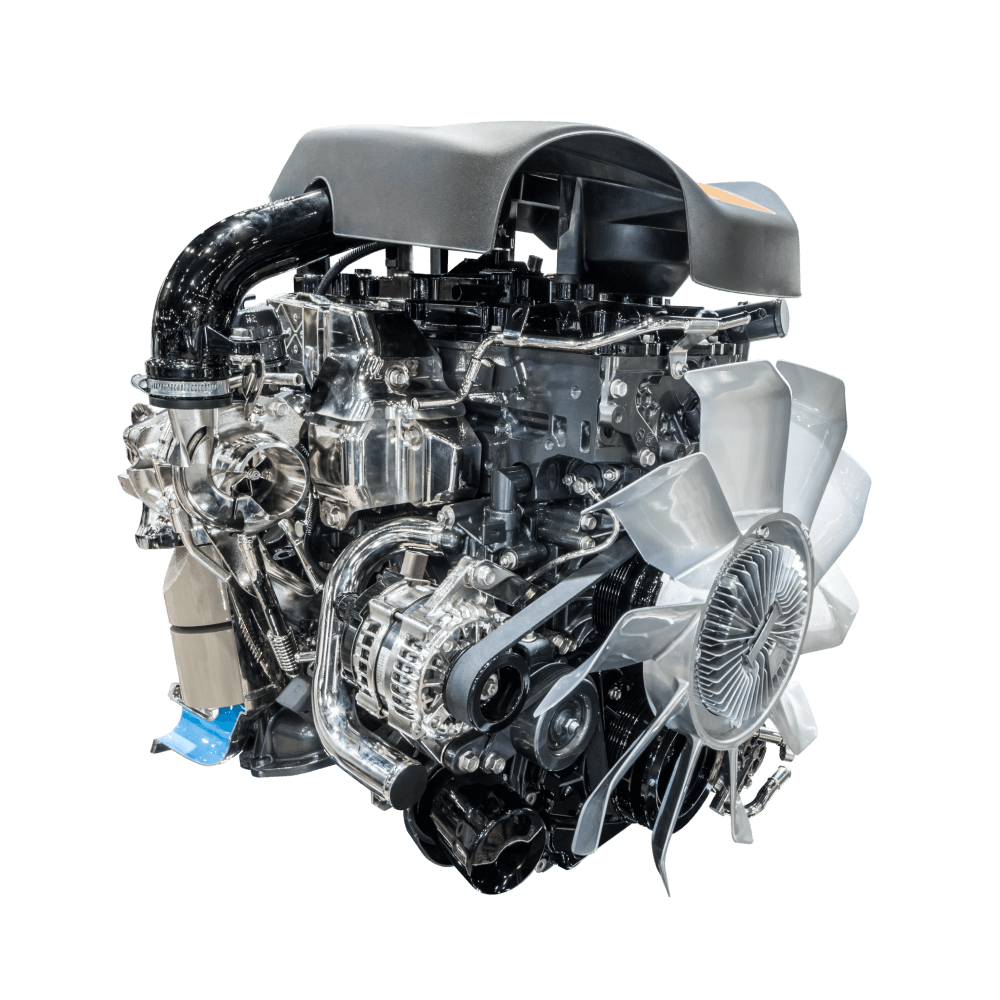
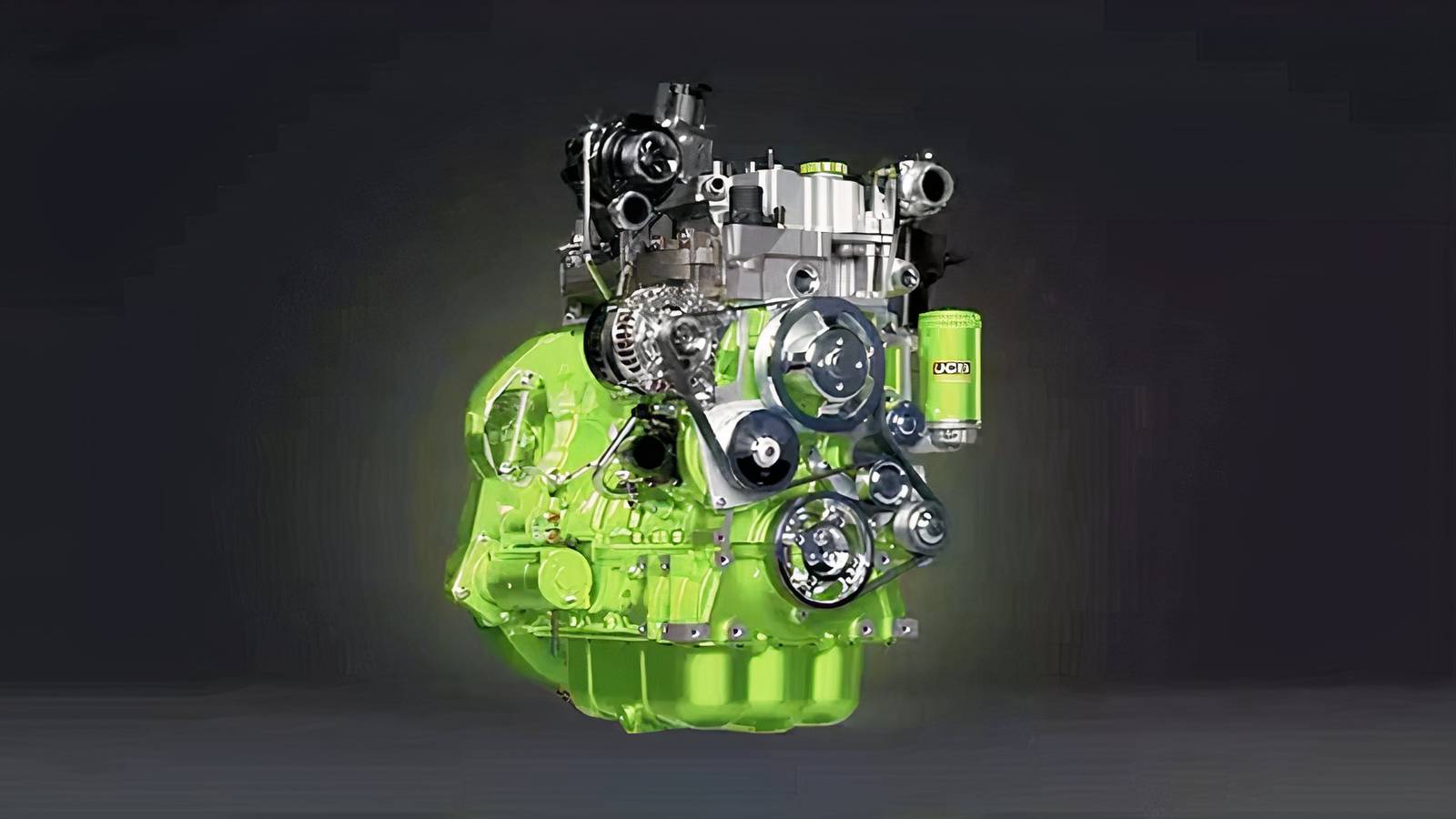
British heavy equipment manufacturer JCB has spent years and more than $135 million creating a new internal combustion engine running on hydrogen and emitting only steam. With more than 150 engineers working on the project, the new engine has now been approved for use on European roads, with more territories to follow. It is also being tested in a range of vehicles, including a Mercedes-Benz Sprinter van, and a Mercedes-Benz truck.
Breathing through an advanced new turbocharger system and featuring numerous ground-breaking innovations, the JCB engine produces about the same power and torque numbers as a modern turbodiesel engine… while emitting only steam. Is this technology the next-best thing in the automotive sector, or is it just a flash in the pan that will never make it to production cars?
British entrepreneur Joseph Cyril Bamford (hence the name JCB) started building earth-moving equipment in 1945. JCB’s first product was a tipping trailer, and it was made from scrap metal and World War 2 surplus parts, like the wheels and tires of a Grumman Hellcat fighter plane and the hubs from a howitzer gun. Eighty years down the line, JCB has built millions of machines, including its own diesel engines.
About four years ago, Lord Anthony Bamford, heir to the JCB dynasty and prolific car collector, invested more than $135 million in the development of a new internal combustion engine that runs on hydrogen gas, emitting only steam. This engine has now officially been approved for use on European roads, and it is also powering next-generation generators.
What makes the engine unique? For one, it is a less complicated set-up than the one used in the Toyota Mirai with its hydrogen fuel cell system powering an electric motor, which drives the wheels. The JCB engine started off with the same basic architecture as one of the company’s well-proven turbodiesel mills, but was then comprehensively overhauled to run exclusively on hydrogen gas. But it remains simplistic enough that owners will be able to tinker with the engine themselves, if needed, as is the case with JCB’s diesel engines.
JCB developed a bespoke hydrogen injection system, allowing the gas to be injected into the combustion chamber at a low pressure and a low temperature, preventing the so-called knock effect, traditionally a hydrogen ignition issue at high temperatures. Where the diesel engine relies on compression ignition, the lower pressure used in this engine requires an ignition system. JCB created a new spark plug system which provides the ignition for the hydrogen and oxygen mix in the combustion chamber.
A turbocharger, operating at a much higher boost level than turbochargers used in diesel engines, delivers copious amounts of air for the combustion process. The pistons, valves and many other engine parts were also specially developed for the new engine.
The result is an engine that not only delivers the same power and torque levels as a turbodiesel engine of the same capacity, but also runs without the clatter normally associated with a diesel engine. Just like its diesel cousin, the JCB hydrogen engine delivers a considerable amount of torque at low revolutions… typically around 325 lb-ft, peaking at just 1,200 rpm. The engine revs to around 2,500 rpm, which is again on par with its diesel-powered workhorse cousins.
An unusual challenge during the engine’s development process was how to manage the hot steam emitted from the engine. Another moot point proved to be the oil lubrication in the engine. A special new oil had to be developed to properly lubricate the JCB engine. Importantly, this is not a kit that can be retro-fitted to an existing JCB diesel engine. The development is a comprehensive one, with virtually all parts of the engine updated from the original diesel architecture.
So the theory appears to be great. Here’s an engine, not complicated at all, that is as efficient and powerful as a turbodiesel engine of the same capacity, that also emits zero harmful gasses. Surely there has to be a catch?
Well, there is one small snag… the availability of hydrogen gas. There are around 60 hydrogen refueling centers in the entire USA, and 59 of those centers are located in California (there is also one station in Austin, Texas). So, for now, you can have your hydrogen-powered vehicle anywhere in the USA, as long as it is in California (or in Austin). That’s also why you’ll primarily find the Toyota Mirai and Hyundai Nexo hydrogen-powered cars in California.
But JCB firmly believes the tide is turning, and that hydrogen will not only become more readily available to average motorists in the next 10 years, it will also be cheaper than traditional fossil fuels. Hence, the investment in the development of the new engine technology.
In European countries like the United Kingdom, hydrogen is much more readily available, with major expansion plans in the making to ensure you can have your hydrogen gas as easily as you can have some petroleum or diesel. For now, contractors can, much like they do, by renting a fuel bowser for remote job sites, rent a JCB gas, well, bowser.
This refueling unit stores hydrogen under high pressure in cylinders, and can be delivered to a working site, allowing the user to take on hydrogen via a plug-in nozzle system. It is said to take only minutes to refuel, the same amount of time it would require for a diesel tank to be filled. The refueling unit has enough gas to recharge a JCB machine up to 16 times before it needs to recharge itself.
Hydrogen production, using modern ‘green’ methods such as an electrolysis method to split water and oxygen, is on the rise too. At the moment, hydrogen produced in the States is primarily used in industrial applications to refine petroleum, treat metals, produce chemicals and fertilizers, and for processing food. It is also used to lower the sulfur content of fuels, and hydro-treated vegetable oil (HVO) is used in renewable diesel products. So the basic framework to produce hydrogen on a larger scale is already in place… someone just needs to press the green button to expand the production to include more service stations across North America.
2006 Audi R10 TDI
Engine
5.5-liter, twin-turbocharged V12
Power
650 hp
Torque
820 lb-ft (estimated)
Top speed
205 mph
A reminder of what went down at the 2006 Le Mans 24 Hour race. Audi rocked up at the world’s toughest and most prestigious track event with the R10 TDI, a diesel-powered Le Mans Prototype (LMP1) racing car. The R10 was powered by a 5.5-liter, twin-turbocharged V12 diesel engine, delivering 650 hp to the rear wheels via a five-speed sequential gearbox. Audi’s big trump card was the V12’s torque… around 820 lb-ft. This allowed the Audi factory drivers to blast faster out of the slower corners, with fewer gear changes required, reducing the impact on the drivetrain.
But the R10 could also reach a top speed of 205 mph, ensuring that it could run as fast or even faster than the rest of the LMP1 gang on the straights too. The Audi became the first diesel-powered car to win the iconic race, rewriting the history books, and demonstrating that Rudolf Diesel’s compression-based engine can run with the fastest cars in the world.
2009 Volkswagen Race Touareg TDI
Engine
2.5-liter, twin-turbocharged, inline-5 diesel
Power
285 hp
Torque
410 lb-ft
Top speed
115 mph (estimated)
In 2009, it was Volkswagen’s turn to show off the company’s TDI technology when its Race Touareg TDI won the most grueling off-road race in the world, the iconic Dakar Rally. Volkswagen would go on to win it two more times before the company retired the 285 hp space-frame off-road racer. Between the Le Mans 24 Hour and the Dakar Rally, the Volkswagen Group had aptly demonstrated that its TDI technology was not only efficient, but powerful enough to beat the fastest gasoline-powered racing cars in the world.
See where we are heading with this? With JCB’s new hydrogen engine producing the same horsepower as its turbodiesel engine with the same capacity, the potential to use the engine in a car application is very much a realistic option. As mentioned, JCB is already running test units in vans and trucks. In the long run, a motorsport version of the engine may very well change the way we do motorsport in the future too.
JCB has a remarkable history of innovation, with deep roots in motorsport. In 1988, the company built a ridiculous backhoe loader called the JCB GT. This thing was powered by a Chevrolet V8 engine, and could reach 100 mph. More recently, JCB set the world speed record for a diesel-powered vehicle, reaching a staggering 350 mph in the DieselMax vehicle. The DieselMax is powered by two JCB444 diesel engines, producing around 750 hp… each.
As a final parting shot, JCB is also a sponsor partner of the Aston Martin Aramco Formula One team. The company’s allegiance to innovation and pushing boundaries is clear. And its new hydrogen engine may soon be the tip of the spear with which JCB may very well change the way we motor in the future.
Sources: JCB, Toyota, US Energy Information Administration, Harry’s Farm.
We want to hear from you! Share your opinions in the thread below and remember to keep it respectful.
Your comment has not been saved
This thread is open for discussion.
Be the first to post your thoughts.