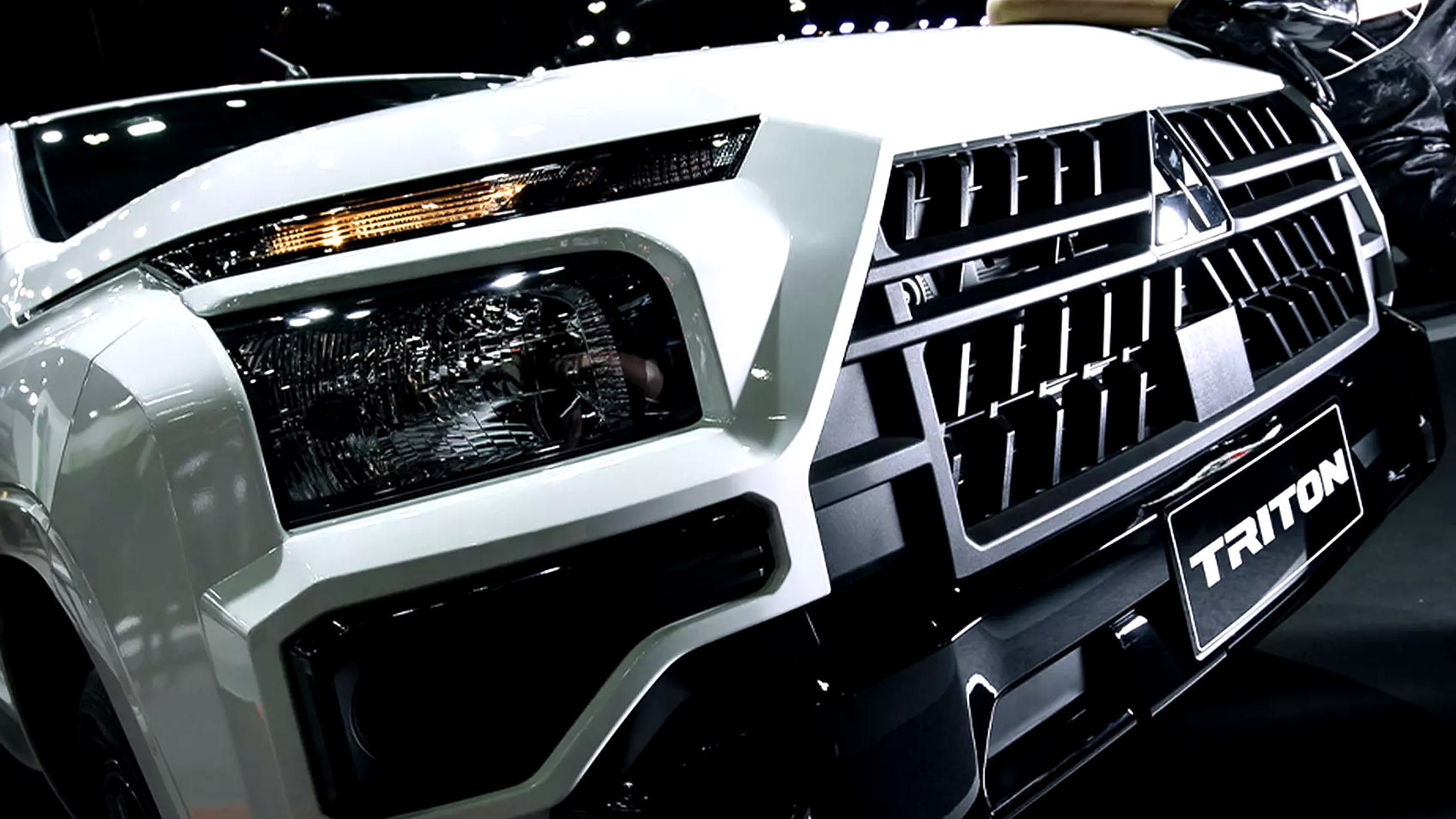
Mitsubishi updates the Triton with a new front end for the Street variant, hinting at design changes that may or may not spread to the wider lineup
Mitsubishi has rolled out a fresh take on the Triton, giving it a redesigned front end that resembles an early facelift, though oddly, it’s only for one specific version. This update is limited to the Street variant of the midsize pickup, available in Thailand alongside the rest of the range.
The Triton Street is built on the Mega Cab bodystyle, which slots between the Single Cab and Double Cab options. Its most noticeable change is the new face, featuring a reshaped grille that steps away from the usual “Dynamic Shield” design language used on the regular Triton.
More: Mitsubishi Built Its Most Rugged Pickup Yet, Though Not Everyone Can Buy It
The aggressive front end, vaguely reminiscent of a Stormtrooper’s helmet from Star Wars, comes with a larger black skid plate and subtly revised bumper intakes. As an entry-level model, the Street sticks with halogen headlights and omits fog lights altogether.
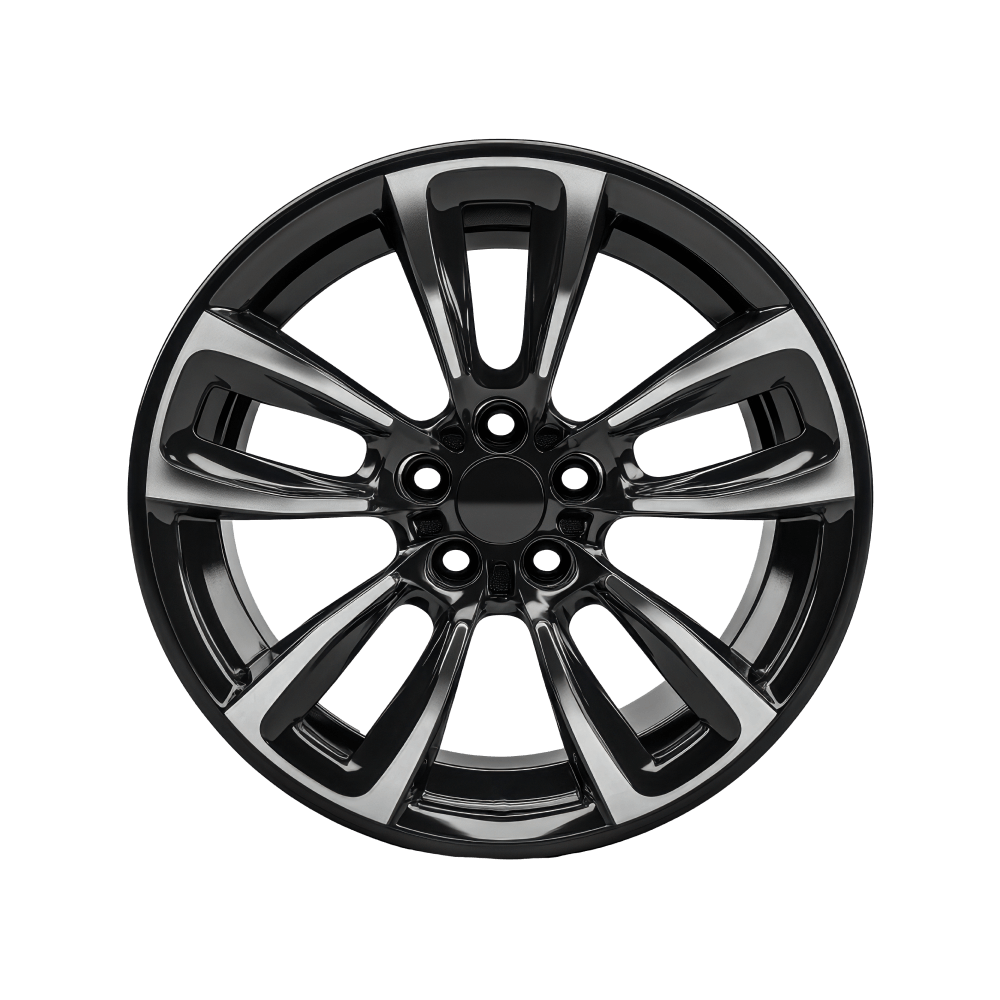
As evident from its name, the Street is designed for paved roads. The pickup rides on a new set of 17-inch black alloy wheels and retains standard suspension height. The color range is limited to Solid White, Blade Silver, and Graphite Gray, each paired with contrasting black accents.
No Changes Under The Hood
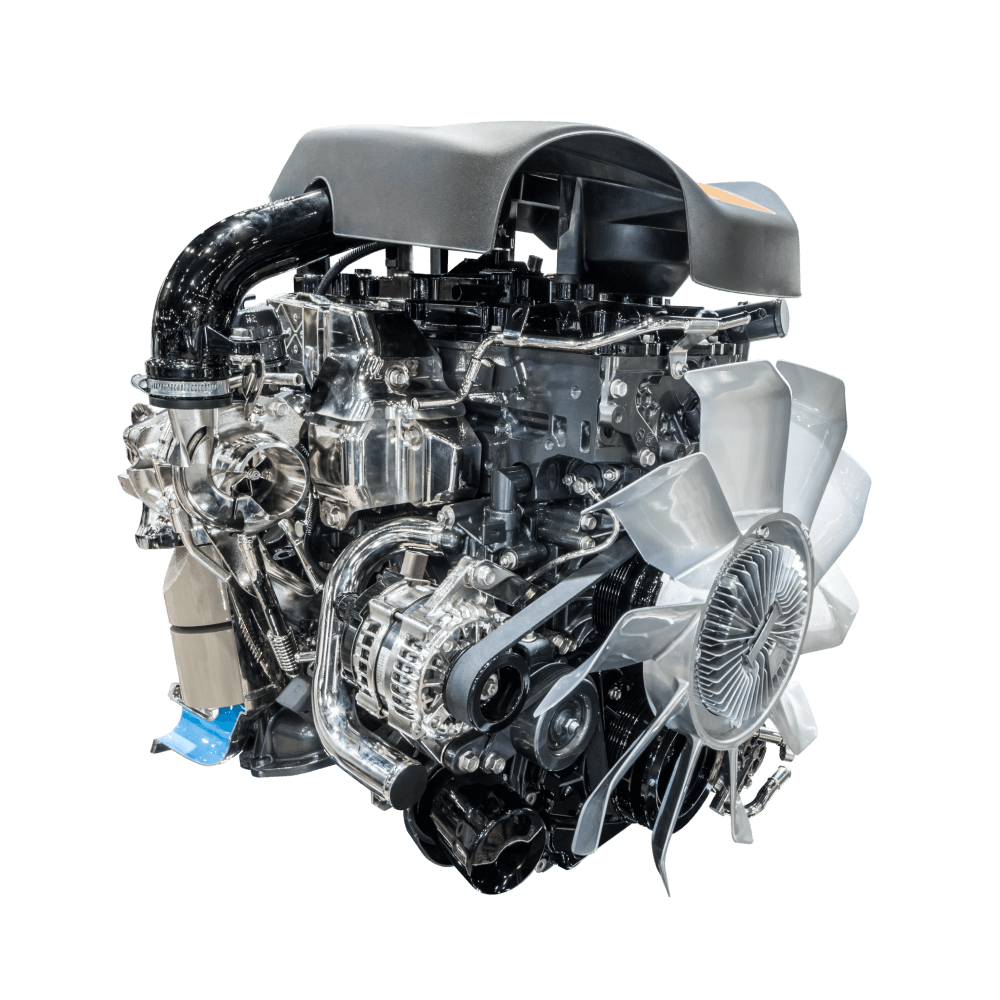
Powering the Triton Street is Mitsubishi’s standard 2.4-liter four-cylinder turbodiesel, producing 148 hp (110 kW / 150 PS) and 330 Nm (243 lb-ft) of torque. It’s notable that Mitsubishi opted for this base version rather than the higher-output 181 hp (135 kW / 184 PS) variant used in pricier trims.
More: New Nissan Navara Bets On Mitsubishi To Fight The Hilux And Ranger
The diesel is paired exclusively with a six-speed manual gearbox, sending power to the rear wheels. There’s no 4WD, but the Street does come with an active limited-slip differential that applies braking force to a slipping wheel and redirects torque to the one with traction.
As mentioned, the Street serves as the entry-level model for the Mega Cab layout. Its equipment list is fairly modest, including fabric seats, three airbags, a two-speaker sound system, hill-start assist, a Forward Collision Mitigation (FCM) system, and a 10-inch infotainment screen. It’s already on sale in Thailand, with pricing starting at 649,000 Baht (roughly $20,700).
What About A Proper Facelift?
It remains to be seen whether this new front end will make its way to other Triton trims in a future facelift or if it will stay a Thailand-only experiment.
More: Mitsubishi Triton Could Transform From An Ugly Duckling To A Swan
The Mitsubishi Triton was introduced in 2023, which means it could receive a mid-lifecycle update by 2027. Subtle styling and tech upgrades could help it better compete with rivals in the highly-competitive segment of midsize pickups.
Competitors include the latest Toyota Hilux, the recently refreshed Ford Ranger, and the new Nissan Navara, which shares its underpinnings with the Triton. Other challengers range from the Isuzu D-Max and Mazda BT-50 to the new Kia Tasman and an increasingly crowded list of Chinese entries.
Google News
MSN Start
Thanos Pappas, a product design engineer by trade, has been wading through automotive journalism for… Read full bio
Related Article