Lawmakers move to regulate electric door latches amid safety concerns and political finger-pointing
Electric door latches have become a huge talking point around the world. What started off as a way to be more stylish (or perhaps more efficient) solution has turned into a firestorm around safety. That conversation has reached Washington, where a U.S. Representative from Illinois is stepping in with legislation that could force automakers to reevaluate how these systems work.
More: China Is Banning Tesla-Style Door Handles
Introduced by U.S. Rep. Robin Kelly (D-IL), the bill directs the National Highway Traffic Safety Administration (NHTSA) to establish new performance and labeling standards for vehicles equipped with electronic door latches.
Put simply, it would require easy-to-find, power-independent manual door releases for every door, along with clear labeling and a guaranteed way for first responders to access the cabin if electrical power is lost.
The Real Problem Isn’t the Idea, It’s the Execution
That’s a much stronger take on current safety standards. Current car doors with electric latches almost always have a manual release. What they don’t always have is an intuitive way to access that release and clear signage indicating its location.
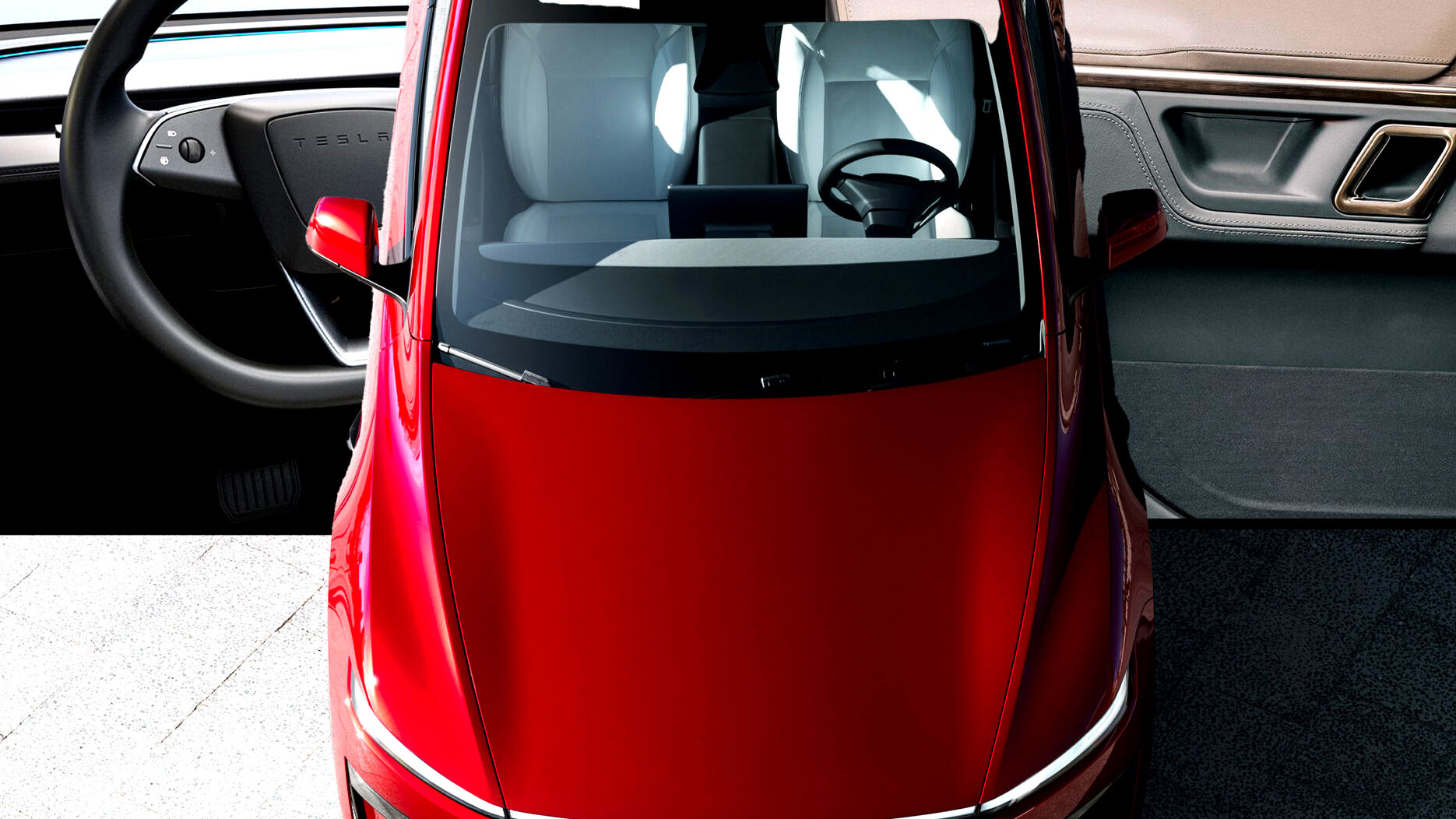
For example, getting out of the back of a Rivian R1S requires removing a panel in the door that, by many accounts, breaks when you remove it. That’s the kind of force one needs just to access the release.
Also: How To Open Tesla Doors With No Power In An Emergency
And that’s to say nothing of trying to escape such a vehicle after a jarring accident in a potentially smoke-filled cabin when panic sets in. To drive that point home even further, consider that plenty of folks have struggled to escape the front seat of Teslas and even Corvettes when the power went out, despite physical manual releases being well within reach of occupants. That’s sort of where this story takes a disappointing turn.
Targeting One Logo
In his open letter about the bill, Kelly calls out Tesla, and Tesla alone several times. He points to reports that some 15 people have died in Teslas where occupants or first responders were allegedly unable to open the doors when the power failed.
There’s no question that this is a serious safety concern. Consumer Reports even has an active petition about it. At the same time, Tesla is far from the only automaker using electronic door latches.
As we’ve already mentioned, Rivian and GM both use the same type of latches, and both have fallen under scrutiny in the past. Other automakers, including Stellantis, Ford, Range Rover, Kia, Hyundai, BMW, and others, use electric latches, too.
Read: Ford Quietly Changed The Mach-E’s Door Handles For 2026
Some hide manual releases under trim panels. Others bury them in unconventional locations. A few barely label them at all. If the concern is truly occupant safety, and it absolutely should be, then the target should be the technology, not the logo on the steering wheel.
Two Years to Get It Right
Thankfully, the SAFE Exit Act itself is written broadly. It defines an “electronic door latch” as any system that relies on electrical power to secure or release a door and mandates mechanical backups that work without power.
If passed, manufacturers would have two years to comply after NHTSA issues updated rules under Federal Motor Vehicle Safety Standard 206. That’s a reasonable timeline and requirement. It also falls in line with what some Chinese officials are considering for their nation.
But let’s not pretend this is just a Tesla problem. The industry followed Tesla’s lead on flush handles because they look clean, modern, and aerodynamic. Automakers copied the aesthetic long before lawmakers noticed the downside. Now, regulation might just make these and future vehicles safer for everybody.
Google News
MSN Start
Stephen, affectionately known as Rivers, has gracefully transitioned from being a repair shop manager and… Read full bio
Related Article