Buying a new car in Europe could soon cost considerably more. Not because of a sudden surge in raw materials prices or an industrial crisis, but because of a stack of European standards that are due to come into force in 2026. Safety, driving aids, pedestrian protection, pollutant emissions: everything is converging towards a price rise that many observers are already estimating at up to €2,000 per vehicle, all segments combined. A “silent” but very real increase.
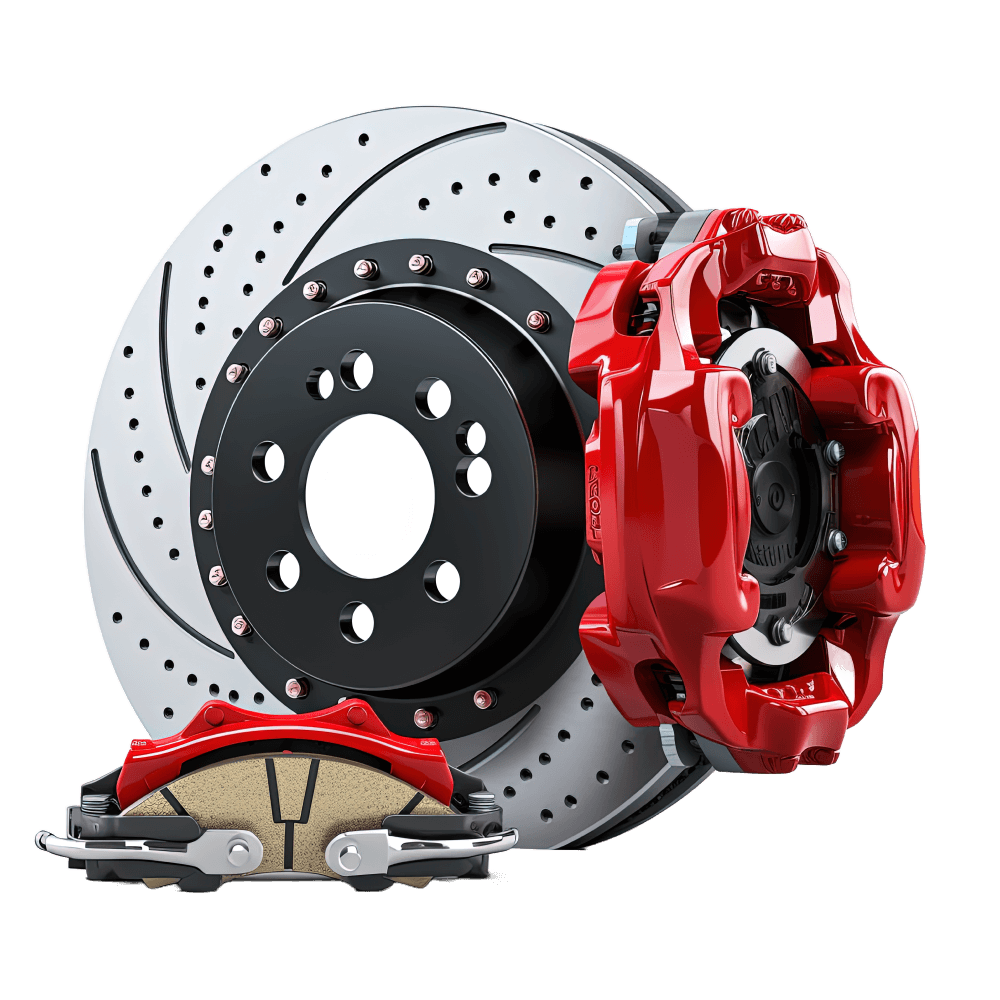
From July 7, 2024, all new cars sold in the European Union must comply with GSR2 (General Safety Regulation 2). This regulation imposes a series of safety features that are now mandatory, where they were previously optional or reserved for higher trim levels. Intelligent Speed Limiter (ISA), automatic emergency braking, drowsiness alert, lane-keeping assist, tire pressure monitoring, accident data recorder, alcohol ignition interlock… The list is long, and its integration has already begun to increase the price of certain entry-level models. In recent months, some city cars have already seen their prices rise by several hundred euros. But there’s more to come
July 7, 2026 marks a major new stage in the GSR2 regulation. From this date, all new cars registered in the EU will have to incorporate even more advanced safety systems, previously reserved for new type approvals.
Among the most costly developments for manufacturers :
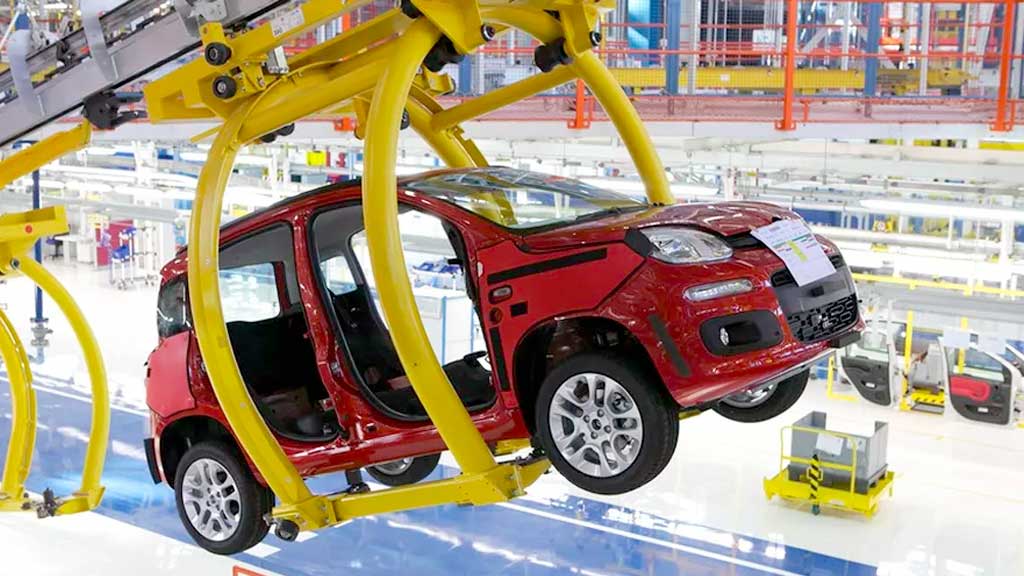
According to several estimates, these safety-related changes alone could represent an additional cost of between €1,000 and €2,500 per car, or around 10 % of the price of a B-segment model. Contrary to popular belief, this increase will not only affect SUVs or premium models. City cars, already under economic pressure, are even the most threatened. Even Fiat’s cheapest models will have to incorporate technologies originally designed for more expensive cars. The result: either prices rise, or ranges are drastically reduced, in order to remain profitable. Some models may even disappear from the European market.
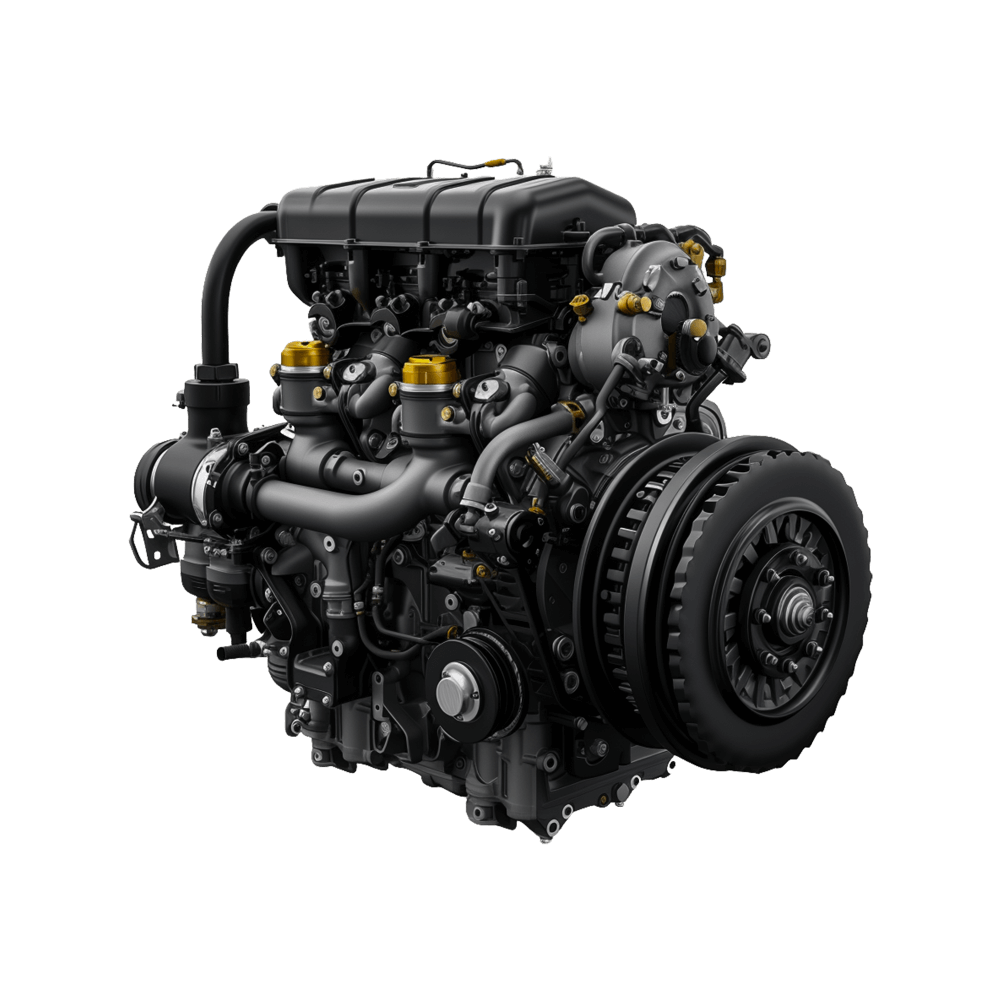
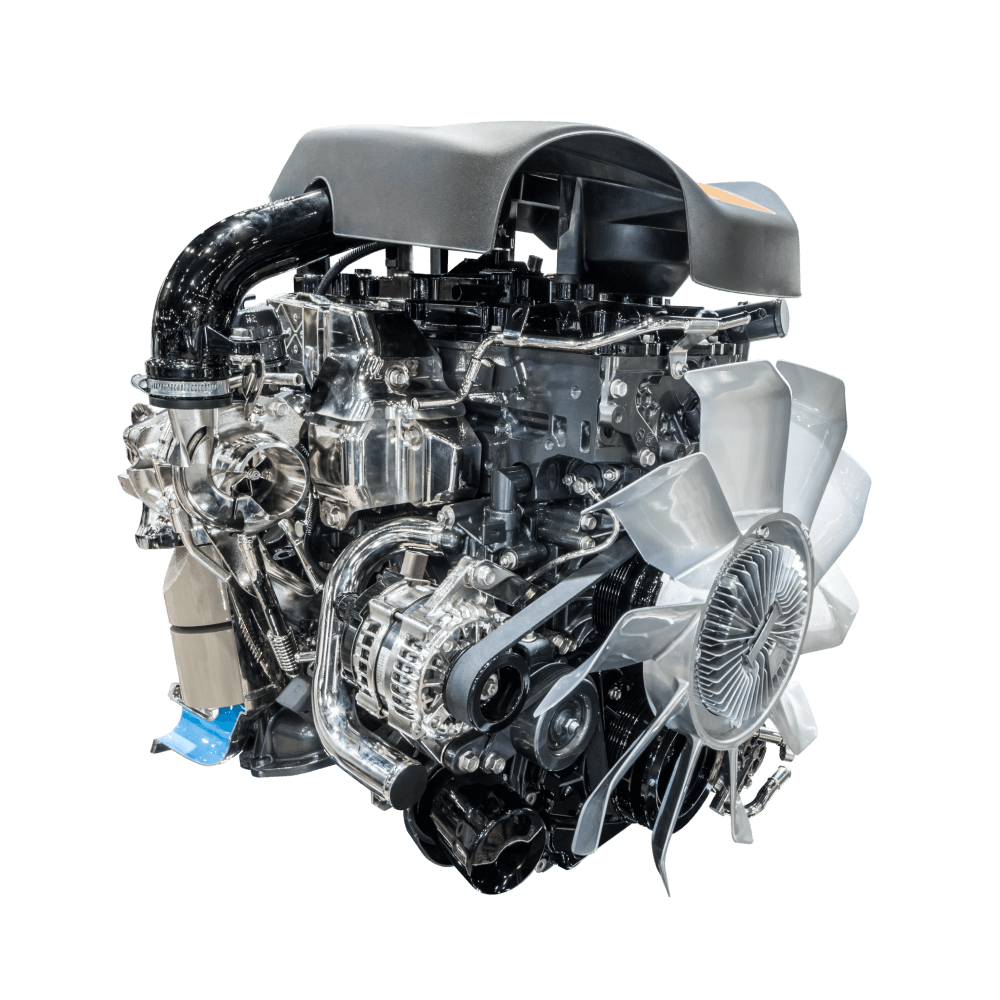
In addition to this safety-driven move upmarket, there’s another major constraint: the Euro 7 standard. From November 29, 2026, new models will have to comply with even stricter emissions thresholds, not only for exhaust gases, but also for :
This standard applies to combustion, hybrid and electric engines alike, and will require new materials, new filtration systems and additional testing. The end-of-2026 date applies to all new models. For all other new vehicles, the date for the Euro 7 standard is November 29, 2027. This applies to all new models type-approved before November 29, 2026. For example, the Fiat Panda, which has already been brought up to GSR2 standards, will have to be upgraded again if it is to be sold after November 2027. Unless its career ends on that date…
Taken separately, each regulation may seem justified. Taken together, they paint a much more brutal picture: the new car is becoming an ever safer and cleaner product, but also less and less affordable. For Italian manufacturers, as for the European market as a whole, 2026 could mark a new turning point, with increased pressure on entry-level models and a new high in prices.
The predictable result of these new standards is that the car fleet will continue to age, and the used car market will grow, to the detriment of new car sales.
Driving small, inexpensive cars like the Fiat Panda out of the market on the pretext that they won’t be able to meet the new standards is deplorable.
Please write in less than 100 words to facilitate reading.
Text, photos and content are the exclusive property of Italpassion. Any copy is strictly forbidden without formal authorization from the publisher.
Related Article