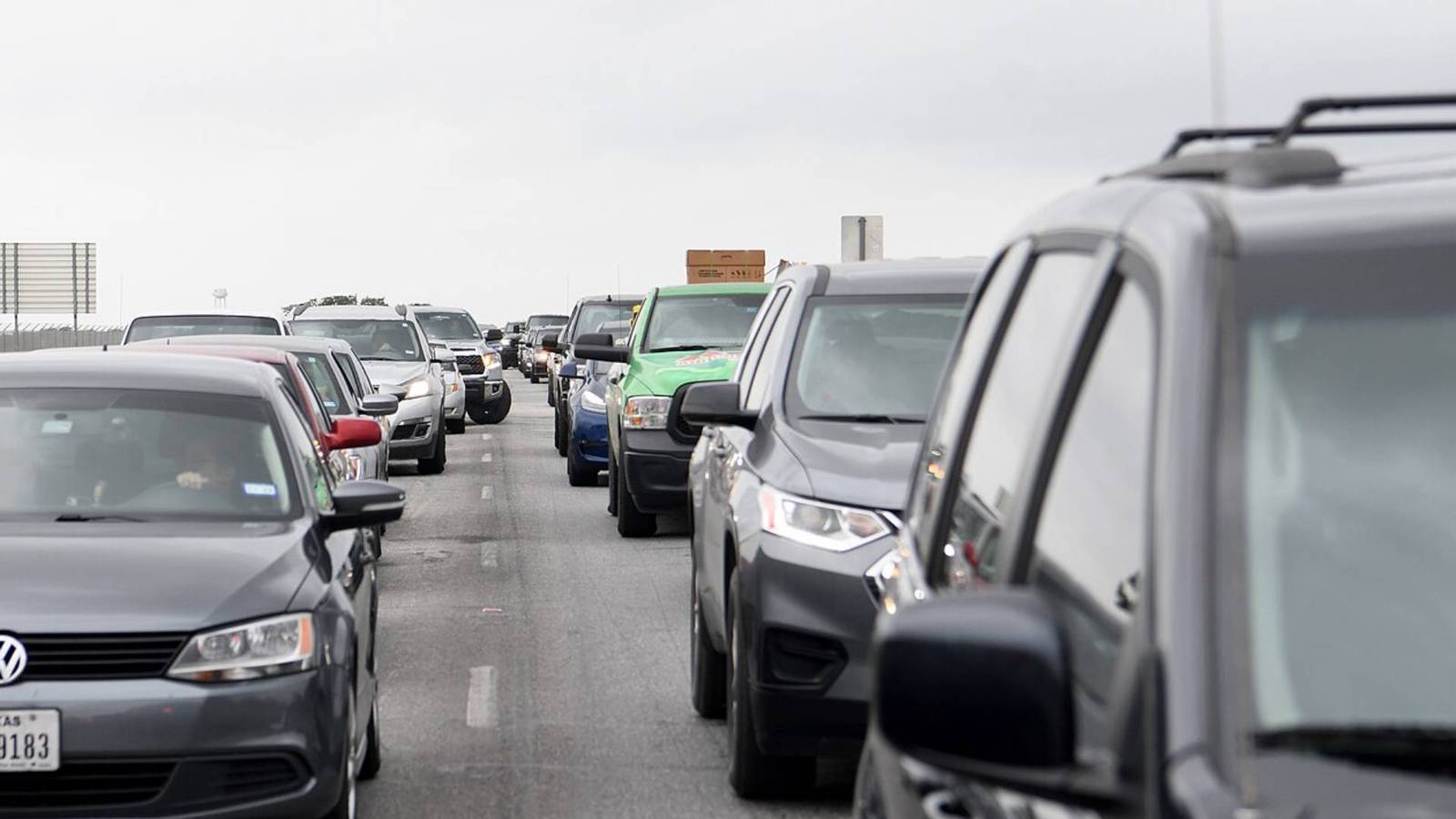
Whether you’re talking performance, economy, creature comforts, or general reliability, cars are better than they’ve ever been. Automakers have been working tirelessly to make sure their machines are the best in the business. Still, Americans just don’t want them. A CNBC report is recirculating on Reddit that discusses the rising age of vehicles on the road in the United States. The report dives into the fact that the average age of vehicles reached 12.1 years old in 2021 and is continuing to climb. While the original video was released right around the time the pandemic threw a massive wrench in the spokes, things haven’t changed. The Reddit user who shared the post unapologetically identified themselves as the problem, with tons of commenters chiming in to say that New Cars just isn’t appealing.
The original video is a report from 2022. It takes a look at several factors that contribute to the rising age of vehicles in the US. The main reasons, according to CNBC, are the rise in overall durability and vehicle costs. Simply put, it just makes more sense for Americans to hold onto vehicles longer and the fact that they can is a great thing. That continues to be the case with the average vehicle age in the US reaching 12.8 years in 2025.
An interesting factor to consider is the drop in vehicle sales that took place from 2016 to 2020. The video reports that new vehicle sales hit a high of 17 million in 2016, dropping to a low of 14 million by 2020. The notorious chip shortage and shutdowns being primary reasons that sales fell off.
This particular Ford model has covered some impressive distances and there are multiple examples to show for it.
While still below the 2016 record, new vehicle sales have actually come up since then. According to NADA, new vehicle sales totaled 16.2 million in the US in 2025. That doesn’t mean prices are getting better, though.
One of the top comments on the Reddit thread remarks that one of the main reasons that people aren’t buying new vehicles is because the average cost is on the rise, while wages aren’t growing proportionately. New vehicle prices surged in 2021. Starting around $40,000 and reaching an average of $47,000 by the end of the year, according to Kelley Blue Book. They’ve continued to gradually rise since, reaching a record high of $50,000 in 2025.
Hyundai is dropping the Santa Cruz, leaving Ford’s Maverick as the last compact pickup truck left on sale in America.
On top of vehicle costs rising, interest rates have also skyrocketed. According to Statista, vehicle loan interest rates sat around 4.3% in 2016, dropping to 3.8% by the end of 2021. Then, they exploded to over 8%, settling to around 7% today. All of that contributes to the astronomical average car payment of roughly $750 per month today.
All of that’s without considering the rising insurance premiums and the fact that vehicles are also getting more expensive to maintain. Not to mention the increasing prices of housing and other items that take priority over a higher monthly payment for a new vehicle.
Another sentiment shared in the comments is that vehicles are becoming harder to work on, with many simple jobs becoming overly complicated. This eliminates the ability to save money by doing repairs yourself for the average car owner, which is something most of us can agree is a real problem. The list goes on and on.
At the end of the day, many Americans just don’t want to buy new cars. As someone who’s never owned a new vehicle and probably never will, I’m one of the millions who don’t see the point in spending a small fortune for a new one. While I am an enthusiast with a bias toward older cars, the lack of appeal to folks in my camp is yet another consideration to factor in to raising vehicle ages in the US.
Sources: Kelley Blue Book, NADA, Statista
We want to hear from you! Share your opinions in the thread below and remember to keep it respectful.
Your comment has not been saved
This thread is open for discussion.
Be the first to post your thoughts.
Related Article