
SavingAdvice.com Blog
Bridging the gap between saving money and investing
Join Now or Login
For many seniors, a well-maintained car is more than just a piece of machinery—it is the key to independence, social connection, and access to medical care. However, the regulatory landscape for keeping that car on the road is shifting beneath our tires. In 2026, several states are overhauling their safety protocols, leading to a confusing mix of eliminated requirements and surprising new vehicle inspection fees.
While some regions are moving toward deregulation to save drivers money, others are “offsetting” those savings with higher registration costs or specialized “older vehicle” surcharges. If you’ve been driving the same reliable sedan for a decade, here is how the new 2026 rules might affect your next trip to the DMV or your local mechanic.
In a historic move, New Hampshire has officially ended its mandatory annual safety inspections as of January 31, 2026. While “Live Free or Die” residents are cheering the end of the $50 windshield sticker, there’s a catch. To make up for the lost state revenue, registration fees for passenger vehicles increased on January 1. For a car under 3,000 pounds, the fee jumped from $31.20 to $42.00, meaning you’re still paying more—you just aren’t getting a safety check in return.
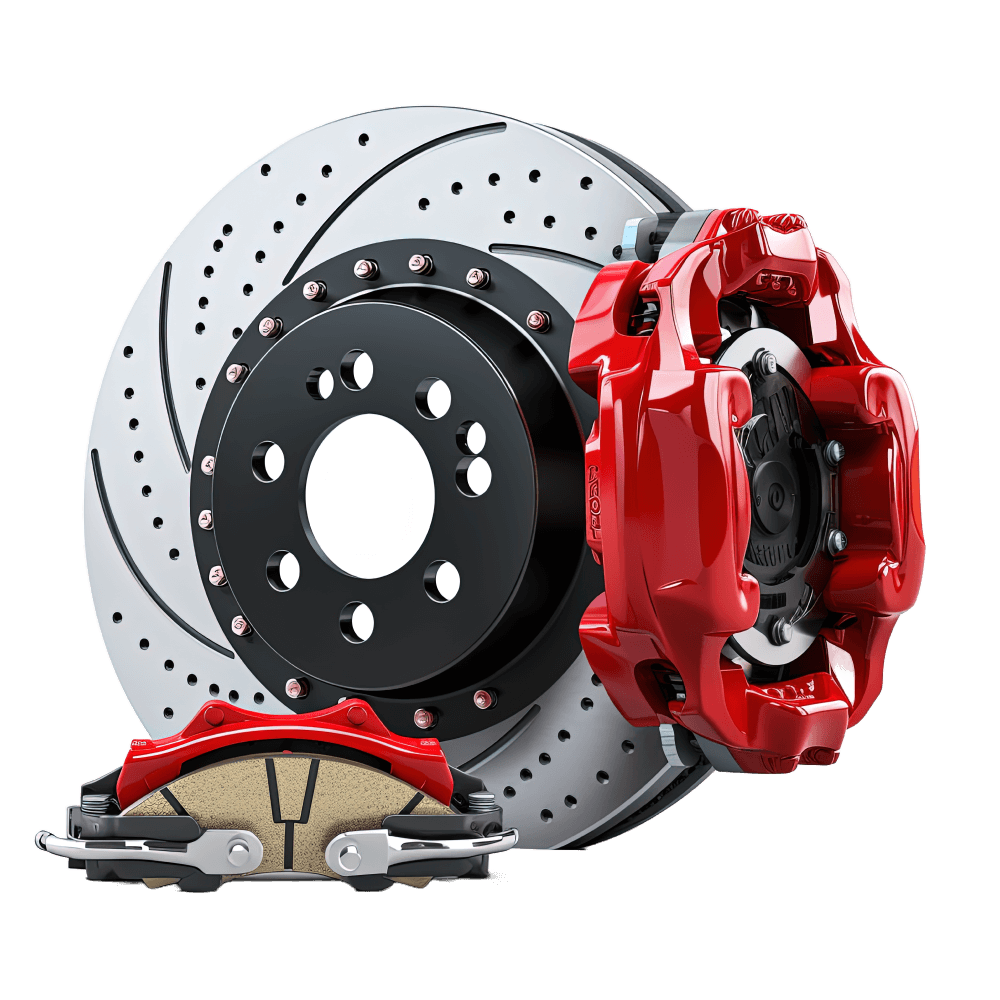
In states like Massachusetts, while the base inspection fee remains $35, inspectors are beginning to implement additional labor charges for vehicles over a certain age or those with significant modifications. For older drivers who take pride in their classic cars or older reliable models, these “extensive checks” can push the total cost of a legal sticker closer to $60 or $75 when factoring in the extra time required to inspect aging brake lines and frame integrity.
Some states are moving the “inspection” from the car to the driver. New 2026 guidance in several jurisdictions is placing a heavier emphasis on vision and cognitive screenings during the license renewal process for those over 70. While these aren’t “vehicle” fees per se, they often require a separate administrative fee or a paid medical report from your primary care physician to clear you for the road.
If you live in a high-traffic county like Salt Lake or Davis in Utah, your older car is facing stricter 2026 emissions requirements. For vehicles six years or older, testing is now mandatory every single year (or every other year based on even/odd model years). As sensors become more sensitive, older catalytic converters are failing these tests more frequently, leading to expensive “re-test” fees and repair mandates.
Gone are the days of a simple paper receipt. Many DMVs are transitioning to digital-only inspection records to reduce paper waste. However, this “modernization” often comes with a new “Technology Fee” or “Electronic Filing Fee” added to your total. In Vermont, for example, the DMV has redesigned inspection stickers for 2026 to enhance visibility for law enforcement, a process funded by slightly higher administrative costs passed down to the motorist.
With mandatory state inspections disappearing in some areas, many mechanics are filling the revenue gap by offering “Voluntary Multi-Point Inspections.” While these aren’t legally required, shops are marketing them heavily to seniors as a safety necessity. According to ConsumerAffairs, a comprehensive inspection in 2026 can cost upwards of $250, often identifying “critical” repairs that can run into the thousands.
Starting in 2026, some states are requiring older drivers to pay for or attend a brief “Safety Technology Review” during their vehicle’s registration period. These courses are designed to help drivers understand modern features like Automatic Emergency Braking (AEB) and Lane-Keeping Assist. While well-intentioned, the small administrative fees for these handouts and courses are another “nickel and dime” expense for those on fixed incomes.
Many seniors are getting caught by shrinking “free re-test” windows. Historically, if your car failed for a bald tire, you had 30 to 60 days to fix it and come back for free. In 2026, some private inspection stations are shortening this window to just 7 or 14 days. If you can’t get the parts or the appointment to fix the car in time, you’ll be forced to pay the full new vehicle inspection fees all over again.
Even in states where the inspection fee is capped by law, “decal fees” are creeping in. Recent legislative activity, such as Massachusetts Senate Bill S2360, has discussed implementing specific fees for the physical decal that indicates the month of your next required inspection. These small $5 or $10 additions are often buried in the total cost at the register, making it hard to track exactly how much you are paying for the “privilege” of being inspected.
The best way to avoid new vehicle inspection fees and the “surprise” repair bills that follow is to maintain a consistent relationship with one trusted mechanic. By doing “pre-inspection” checks during your routine oil changes, you can spot issues like worn wiper blades or dim bulbs before they become a “failure” on an official state record. Remember, a state sticker proves your car was safe for one day; a good maintenance habit ensures it’s safe for the whole year.
Have you noticed a change in what you’re paying at the DMV or the inspection station lately? Drop a comment below and share your experience with these new rules!
Teri Monroe started her career in communications working for local government and nonprofits. Today, she is a freelance finance and lifestyle writer and small business owner. In her spare time, she loves golfing with her husband, taking her dog Milo on long walks, and playing pickleball with friends.
One old dirty trick is still with us. However, other financial matters are changing quickly.…
It’s no secret that vehicles are depreciating assets. The second you buy a new car…
Housing Market Peaking? Home sales continue at record levels. However, prices show signs of easing…
You may read or hear the term “inflation fears” being used with increasing frequency. In…
If you’ve found yourself in legal trouble, you may need to enlist the help of…
With Spring in the air and the lure of the open road, you may be…
Your email address will not be published.
Related Article