Recibe las noticias más leídas de la semana directamente en tu email
Respetamos tu privacidad. Puedes darte de baja en cualquier momento.
The EU Council and the European Parliament reached a historic agreement that will require car manufacturers to progressively incorporate recycled plastic.
The measure aims to transform the automotive industry towards a more sustainable circular economy.
The pact, which was finalized last week, revises the design requirements of vehicles and sets ambitious targets.
Thus, in the coming years, new cars will have to include recycled materials that facilitate their reuse at the end of their life cycle.
The agreement sets clear mandatory objectives for the coming years.
In line with this, manufacturers will have to meet specific percentages of recycled content in the new cars they produce.
In particular, the targets are as follows:
The Council specified that this measure will ensure that “valuable materials are kept within the EU’s circular economy.”
This strategy aims to retain resources within European territory.
It should be noted that today, the European automotive industry annually consumes 7 million tons of steel, 2 million tons of aluminum, and 6% of the total copper used.
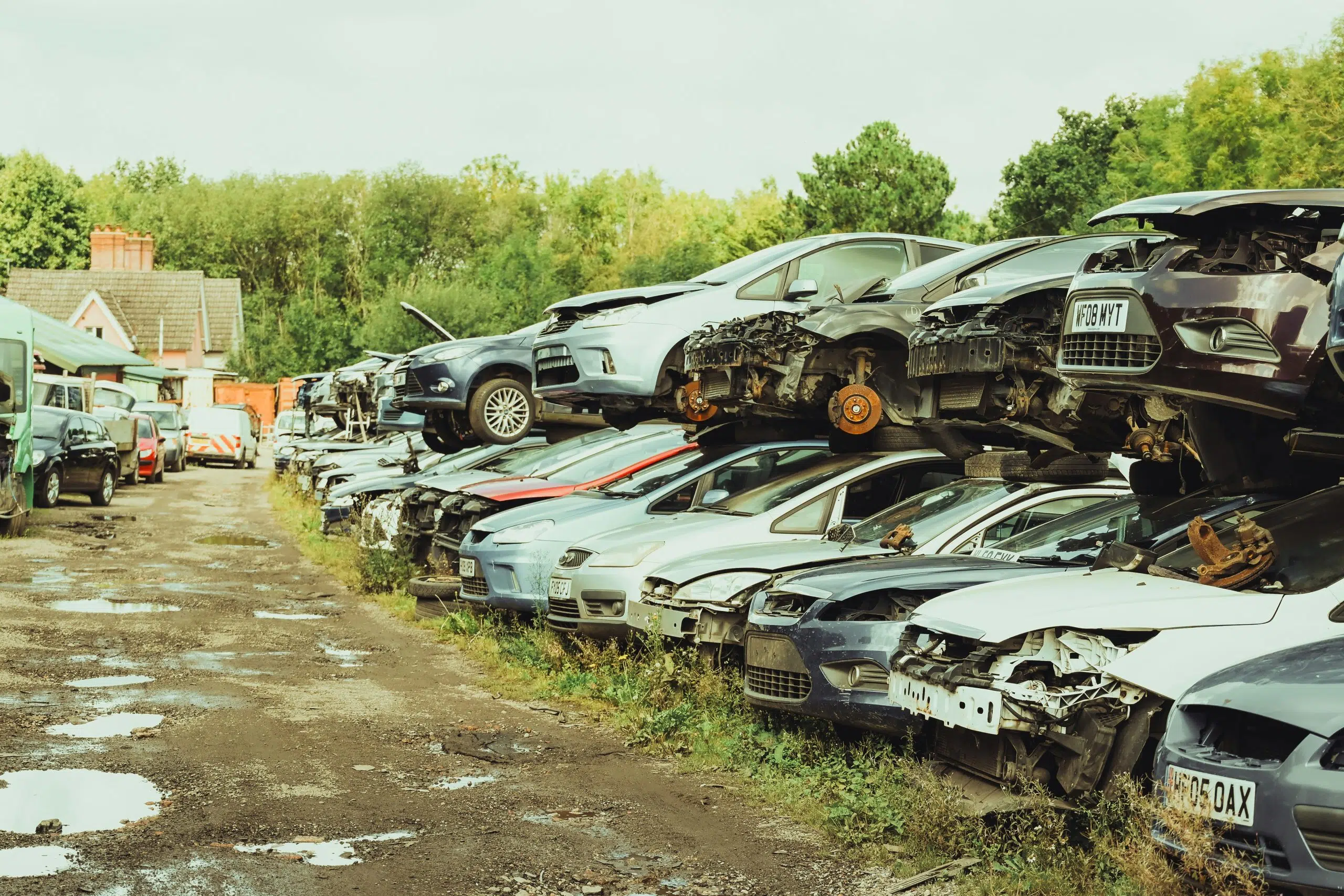
Additionally, six million vehicles reach the end of their life cycle each year in the EU.
As part of the agreement, the European Commission will have to conduct a comprehensive study within a maximum period of one year.
This analysis will lay the groundwork for future recycling targets in other materials used in cars.
The materials considered include steel, aluminum, magnesium, and critical raw materials.
Denmark’s Minister of Environment, Magnus Heunicke, stated that “the new regulation will drive innovation in sustainable design.”
The new rules extend their scope beyond passenger cars and vans.
With this agreement, the requirements for collection, decontamination, and mandatory removal will extend to trucks, motorcycles, and special-use vehicles.
The agreement reinforced the traceability and controls of so-called “missing vehicles.”
Every year, 3.5 million vehicles disappear without a trace from European roads.
In response, the EU established clearer standards on the distinction between a used vehicle and one at the end of its life cycle.
The criteria definitively determine when a vehicle is considered waste.
The agreement adopts a “risk-based approach” for transfers between individuals.
Therefore, it requires documentation in situations with a higher likelihood of vehicles disappearing, such as when an insurance company declares a total loss.
The future regulation reinforced the principle that makes manufacturers responsible for the entire life cycle.
This responsibility includes promoting design for circularity and ensuring free collection.
The Council noted that this responsibility applies “regardless of the Member State in which they become waste.”
Now, producers will have to ensure the proper treatment of all vehicles.
Five years after coming into force, the export of used vehicles that are no longer roadworthy will be prohibited.
The measure ensures that the EU fulfills its commitment not to contribute to pollution in third countries.
The regulation will begin to apply two years after it comes into force.
Compartí esta nota
Director/Propietario:
Luis Pavesio
Registro DNDA en trámite
Fecha: 17/12/2025
N° de Edición: 4826
2022 © Noticias Ambientales | Todos los derechos reservados.