Nikesh Kooverjee has been contributing to the automotive sphere for 11 years. His previous roles include Digital Editor at CAR South Africa and associate editor at CarBuzz. He has always had a strong affinity for cars from a young age, having grown up in a family of classic Mercedes-Benz collectors. He has perused through numerous automotive literature in a bid to further his knowledge and understanding of all things car-related. He eventually went to attain a degree in Media and Writing, English Literature, and Film and Television Studies at the University of Cape Town while working as a go-kart marshal in-between hours. His passions remain automotive, with an increased interest in electromobility and autonomous technologies.
The manual transmission will always be the core foundation of a sports car aimed at pure driving enthusiasts. Unfortunately, these conventional gearboxes are becoming more of a rarity with each year that passes, as more car owners start to appreciate outright straight-line speed above the mechanical and engaging feel.
Thankfully, there are some brands that remain loyal to the manual transmission, despite this declining market trend. As of 2025, only a handful of manual cars were sold in the U.S., but there are some that outsell their automatic counterparts by massive margins. Of all the manual cars sold in the U.S., the 2025 Subaru WRX sat at the top of the sales charts.
According to Motor1‘s investigative study, the Honda Civic Si and Type R are technically the top-selling manual cars, representing six percent of all Civic sales, bringing its total sales figure to 14,320 individual copies. Honda doesn’t divulge what the split between the Si and the Type R is, so we can’t say for certain whether the Si outsells the Subaru WRX with three pedals.
The same study reveals that 85 percent of Subaru WRX sales from last year were delivered with manual transmissions, bringing its total sales figure up to 9,219 individual copies for the year. The performance sedan isn’t the most desirable model in its class, but the manual transmission’s market performance is nothing short of impressive.
The 2025 Subaru WRX features a mechanical six-speed manual transmission, which very clearly remains a hallmark of the enthusiast-focused sedan. This close-ratio gearbox is fully synchronized and paired with a viscous-coupling limited-slip center differential, which provides a constant 50/50 torque split between the front and rear wheels for consistent traction.
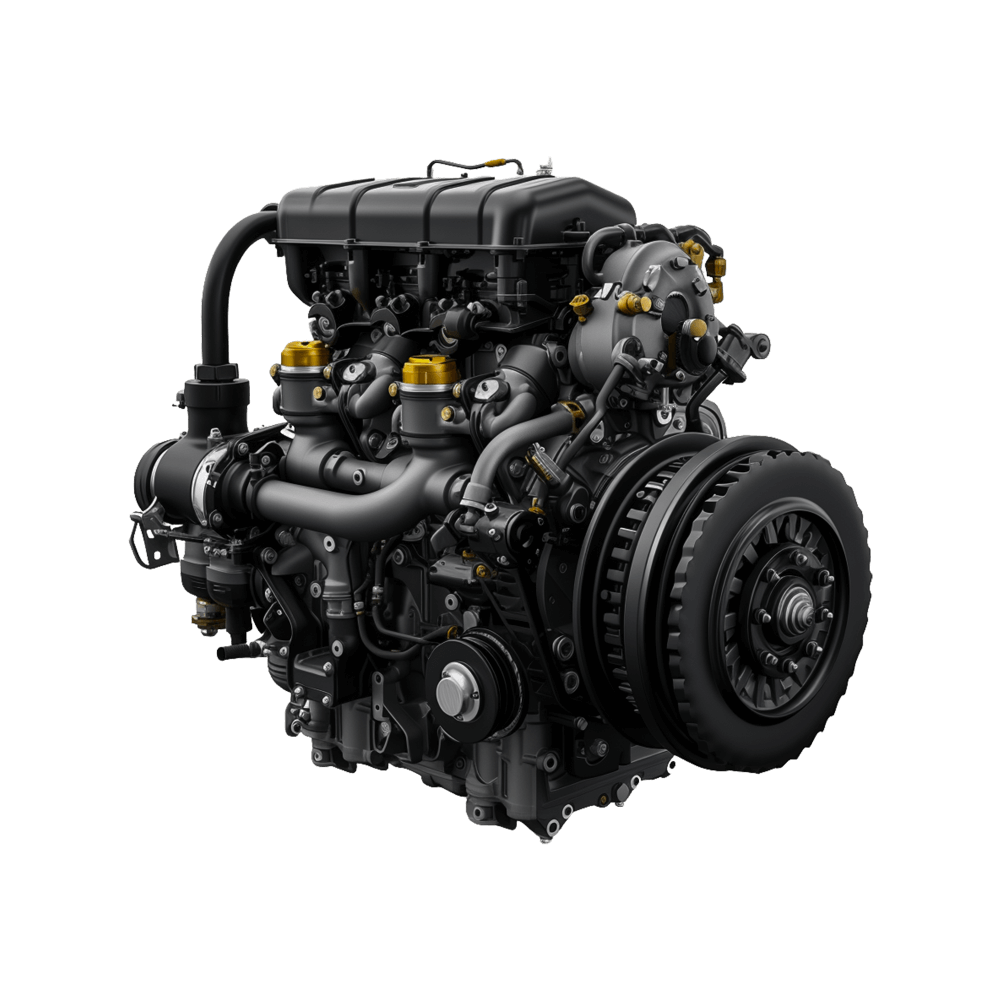
Powering this setup is a 2.4-liter turbocharged flat-four-cylinder engine, producing 271 horsepower at 5,600 RPM and 258 pound-feet of torque from 2,000 to 5,200 RPM. Subaru mates this to its signature Symmetrical All-Wheel Drive and Active Torque Vectoring, enabling it to accelerate from zero to 60 MPH in approximately six seconds.
The WRX’s turbocharged 2.4-liter flat four never runs out of puff, even when it’s held up there close to its 6,000 RPM redline… traction, thanks to Subaru’s famed all-wheel drive system, was never an issue, both on the track and on public roads. The WRX will catapult itself out of a corner like a slingshot, allowing it to set frankly quick lap times.
– William Clavey for TopSpeed
Subaru designs this compact sedan for rally-bred agility and mid-range punch, resultantly limiting the manual-equipped WRX to an electronically governed top speed of 145 MPH. The new tS trim maintains these core outputs while adding STI-tuned electronically controlled dampers and high-performance Brembo brakes, further refining the engagement offered by the traditional three-pedal arrangement and ensuring the WRX remains one of the most tactile driving experiences in its class. Opting for the manual also leads to slightly more attractive EPA-estimated consumption figures, with this variation coming in with a 19/26/22 MPG estimate on the city/highway/combined cycle, while covering 365 miles of range from the 16.5-gallon gas tank.
Over three decades and multiple generations, the WRX has evolved, but its rally-bred character remains intact.
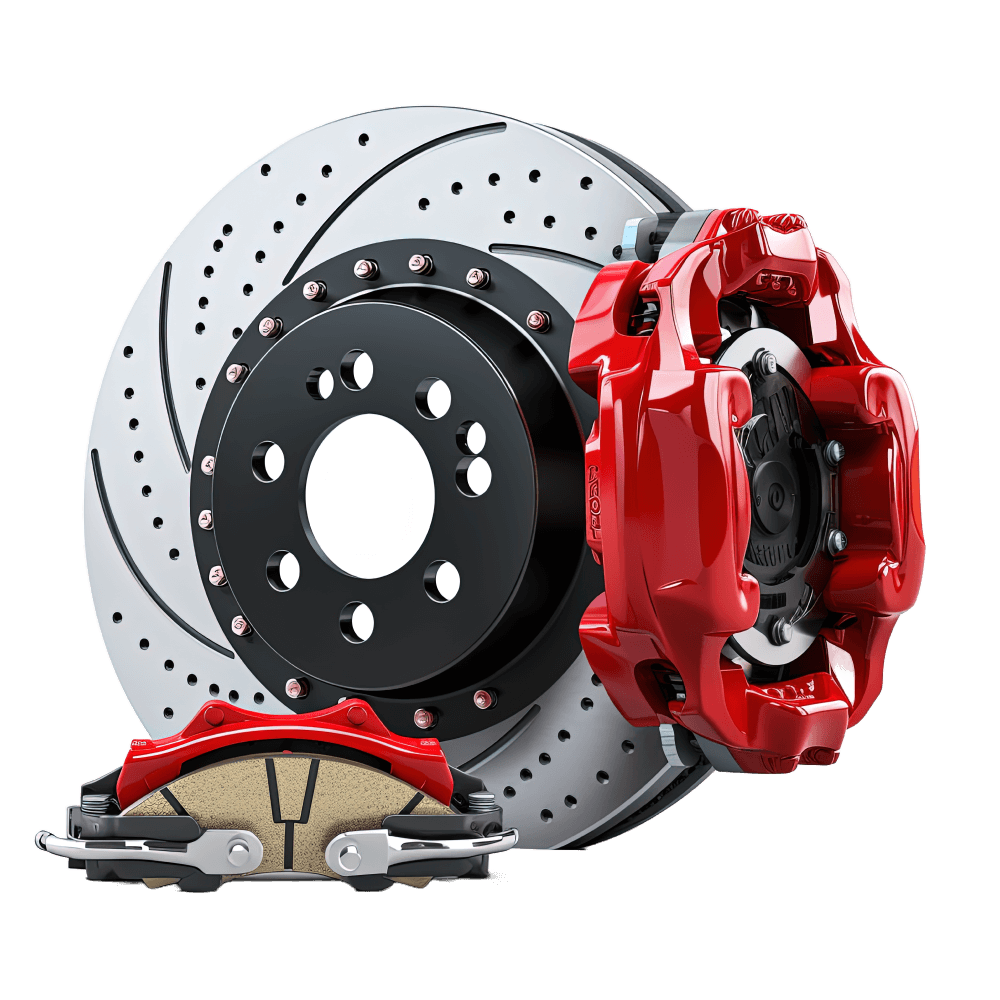
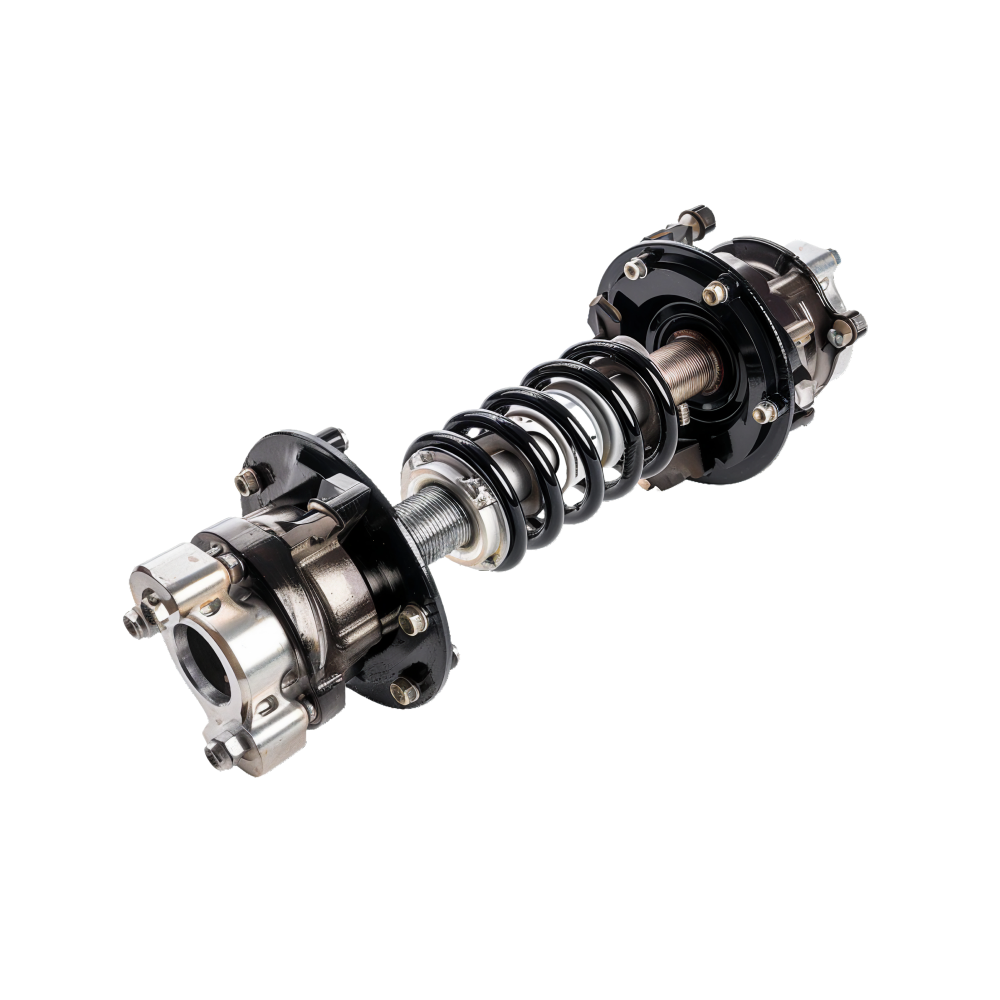
Subaru engineers the 2025 WRX with a track-tuned suspension built on the Subaru Global Platform, utilizing MacPherson struts with internal rebound springs up front and a double-wishbone setup at the rear for enhanced stability and reduced body roll. The flagship tS trim elevates this foundation with STI-tuned electronically controlled dampers, allowing you to toggle between Comfort, Normal, and Sport settings. Enhancing the stopping power for the Premium and Limited trims are four-wheel ventilated disc brakes, while the performance-oriented tS is equipped with a high-performance Brembo braking system, featuring gold-finished six-piston front and two-piston rear calipers paired with larger rotors for better thermal management when subject to stress.
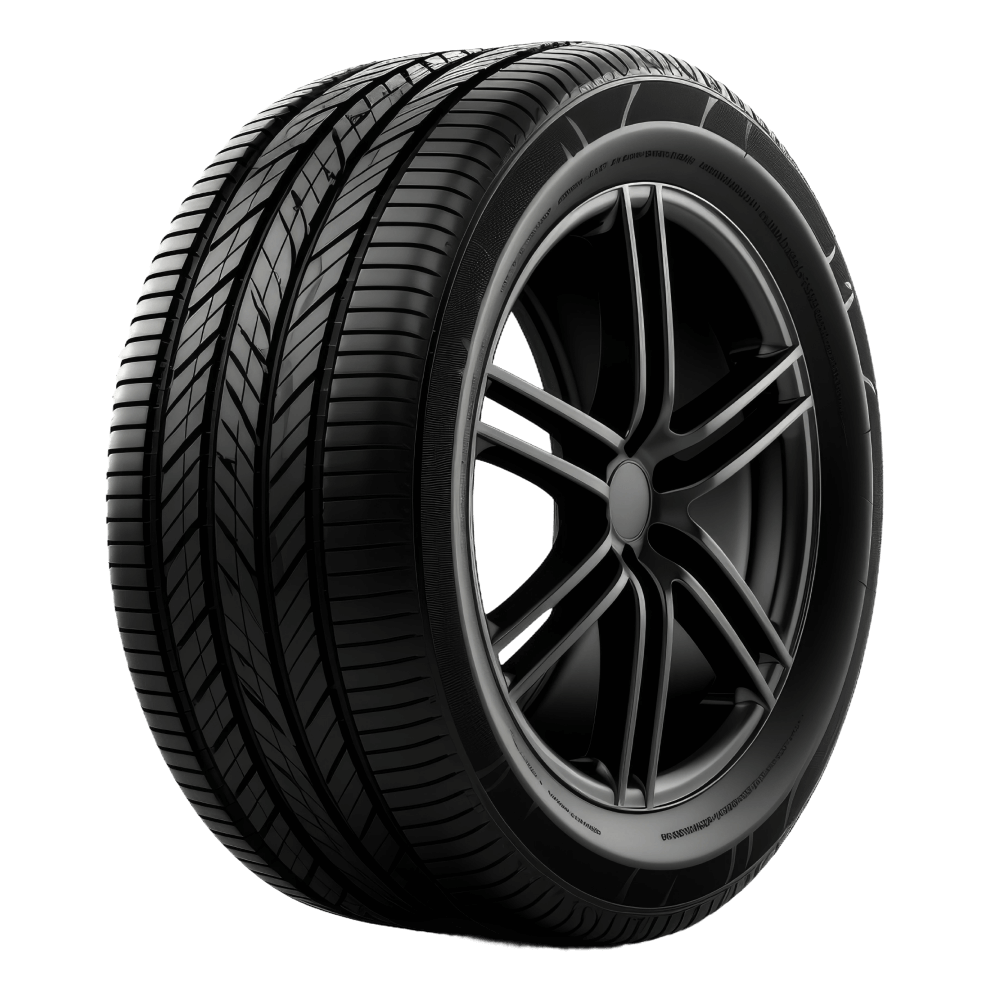
Subaru offers multiple wheel-and-tire packages. The Premium and Limited trims come standard with 18-inch alloy wheels finished in dark gray, while the tS boasts exclusive 19-inch multi-spoke wheels in a satin gray finish. All trims feature summer high-performance Bridgestone Potenza S007 tires.
While most sedans featuring a stick have gone extinct, the Subaru WRX remains true to the manual-AWD formula that underpins its success
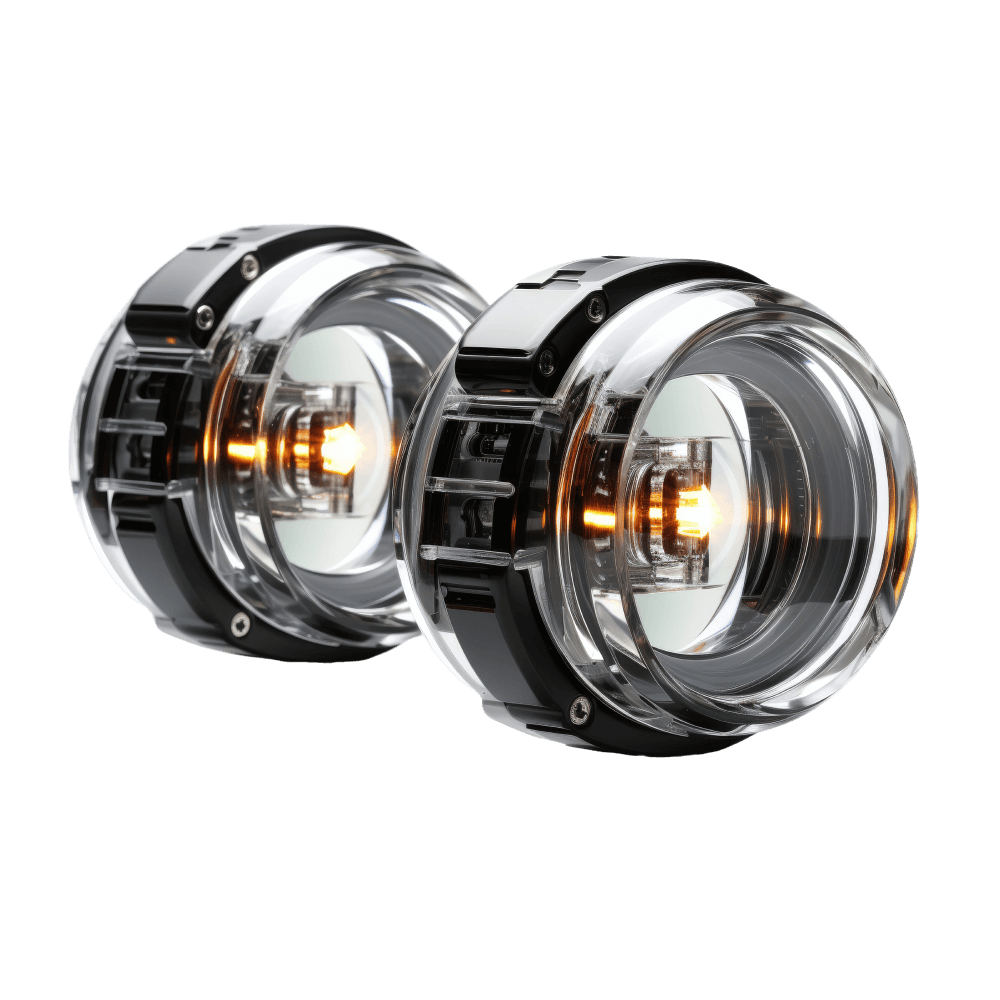
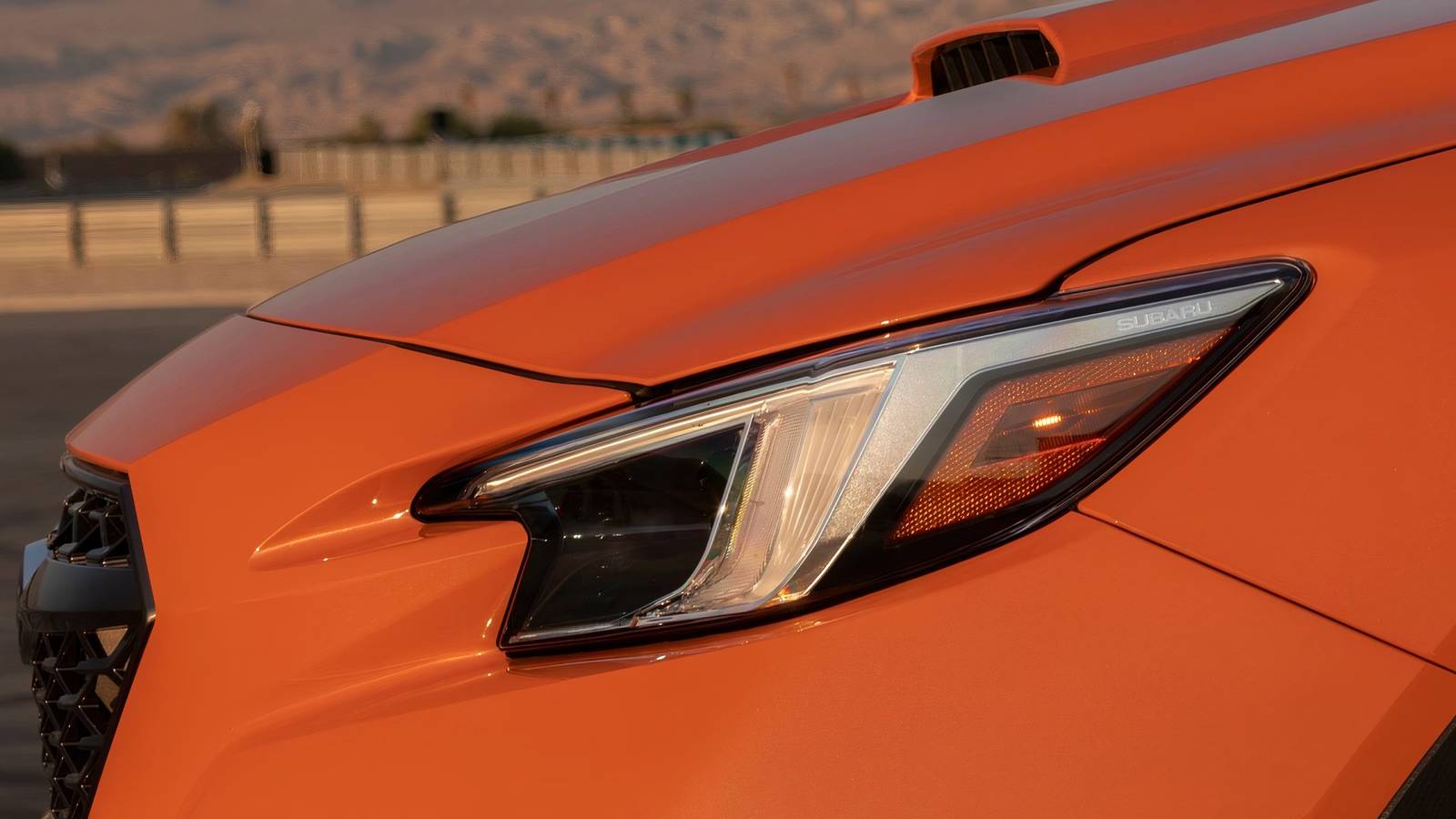
The 2025 Subaru WRX range starts with the Premium trim at $37,750. This base derivative comes standard with the 11.6-inch Starlink Multimedia Plus touchscreen, wireless Apple CarPlay and Android Auto, dual-zone automatic climate control, heated front seats, and keyless access with push-button start. Across the range, convenience is further bolstered by standard LED steering-responsive headlights and multiple USB-A and USB-C charging ports to keep mobile devices powered during spirited drives.
Moving up, the Limited trim will cost you $42,130. This adds a 504-Watt, 11-speaker Harman Kardon premium audio system, built-in navigation, a 10-way power-adjustable driver’s seat, a power sunroof, and Ultrasuede upholstery. The GT trim costs $47,705, and is only available with the automatic Subaru Performance Transmission, which is essentially a CVT. This derivative features Recaro performance front seats with eight-way power adjustment for the driver alongside electronically controlled dampers.
For enthusiasts, the relatively new flagship tS trim starts at $47,705 as well. This introduces a high-tech 12.3-inch fully digital instrument cluster and STI-tuned dampers while retaining the Recaro seats and premium infotainment. For the 2026 model year, Subaru will soon introduce the exclusive Series Yellow, limited to just 350 units with pricing yet to be announced. This specialty model shares the tS’s digital cockpit and performance hardware but distinguishes its interior with unique yellow contrast stitching on the steering wheel, door panels, and shifter boot to complement its vibrant Sunrise Yellow exterior.
When Subaru introduced the WRX, it was subject to a fair level of hate and criticism from several audiences, but since its introduction, the model has started to generate a niche but loyal following. The range currently sits with an overwhelmingly positive 4.7/5 score on the Edmunds owner review portal, with key strengths being the driving experience, value, and visual presence, while criticisms include its loud road noise, poor visibility, and infotainment experience.
iSeeCars awards the model an 8.5/10 overall score, including 7.6/10 for reliability, 8.8/10 for retained value, and 9.0/10 for safety. On the reliability front, the publication highlights that you can expect this model to last 11.8 years or 133,989 miles before encountering any major mechanical issues, with a 6.9 percent probability of it reaching 200,000 miles.
In a world of clinical transport, these machines offer a chance to reconnect with the road and the thrill of driving while swapping your own gears.
Value retention is always a difficult aspect to approach when it comes to aspirational cars like the Subaru WRX. iSeeCars estimates that the model will lose $13,312 or 35.3 percent of its value over the course of five years and 60,000 miles. This is an exceptional rate for a car operating in the performance space.
Year 1
Year 2
Year 3
Year 4
Year 5
Total
Insurance
$1,670
$1,728
$1,789
$1,852
$1,916
$8,955
Maintenance
$426
$1,016
$541
$3,187
$1,231
$6,401
Repairs
$0
$0
$157
$378
$553
$1,088
Taxes & Fees
$3,411
$248
$239
$231
$222
$4,351
Financing
$2,279
$1,836
$1,360
$852
$308
$6,635
Depreciation
$9,803
$1,500
$1,226
$1,374
$1,200
$15,103
Fuel
$3,430
$3,533
$3,639
$3,749
$3,861
$18,212
True Cost to Own
$21,019
$9,861
$8,951
$11,623
$9,291
$60,745
Another benefit of owning the manual version of the Subaru WRX is the lower maintenance costs, as these gearboxes are typically subject to less mechanical wear if you take proper care of the clutch and steer clear of traffic. According to Edmunds, you can expect to spend $60,745 on the Premium trim over five years and 60,000 miles. This includes $6,401 on maintenance, $1,088 on repairs, and $15,103 on depreciation. CarEdge backs this with a $47,357 ownership cost estimate over the same period, which includes $14,264 on depreciation, $10,500 on fuel, and $2,155 on maintenance.
The 2026 Subaru WRX’s standout reputation in the performance sedan market is partly thanks to its proven and significantly more dependable powertrain compared to the brand’s previous EJ-generation units. Choosing the six-speed manual transmission means that its reliability remains largely driver-dependent. Subaru has refined the clutch design and engine internals to better handle heat and stress, improper shifting, or aggressive launches, but this can still lead to premature clutch wear.
The consensus indicates that with strict adherence to maintenance intervals and a lack of heavy modifications, the 2026 model avoids the common head-gasket era issues of the past. In the U.S., Subaru backs this reliability with a standard warranty package featuring a three-year or 36,000-mile limited bumper-to-bumper warranty and a five-year or 60,000-mile powertrain warranty covering the engine, all-wheel-drive system, and transmission. Additionally, you get to benefit from three years or 36,000 miles of 24/7 roadside assistance and a five-year, unlimited-mileage rust perforation warranty.
Sources: The EPA, Edmunds, and iSeeCars, and CarEdge
We want to hear from you! Share your opinions in the thread below and remember to keep it respectful.
Your comment has not been saved
This thread is open for discussion.
Be the first to post your thoughts.