
The release of the new Formula E’s Generation 4 car, which will debut in the 2026-2027 ABB FIA Formula E World Championship, has led to speculation about whether electric cars will eventually replace Formula 1 cars. Whilst it is quicker off the line than Formula 1 Cars, with the ability to go from 0-60mph in just 1.8 seconds, Formula E will never escape from Formula 1’s shadow, for a variety of reasons.
It is likely that the speed and acceleration of electric race cars will surpass that of current Formula 1 cars, with Gen 4’s release suggesting that this may occur sooner than we think. With more than 815 horsepower and active all-wheel drive for races, the Gen 4 car also has a high-downforce mode for qualifying, and an ‘Attack Mode’, with a low-drag set-up. This will allow for more dramatic overtakes, due to the use of full power; additionally, the car’s higher energy capacity will provide the opportunity for drivers to employ more aggressive race strategies.
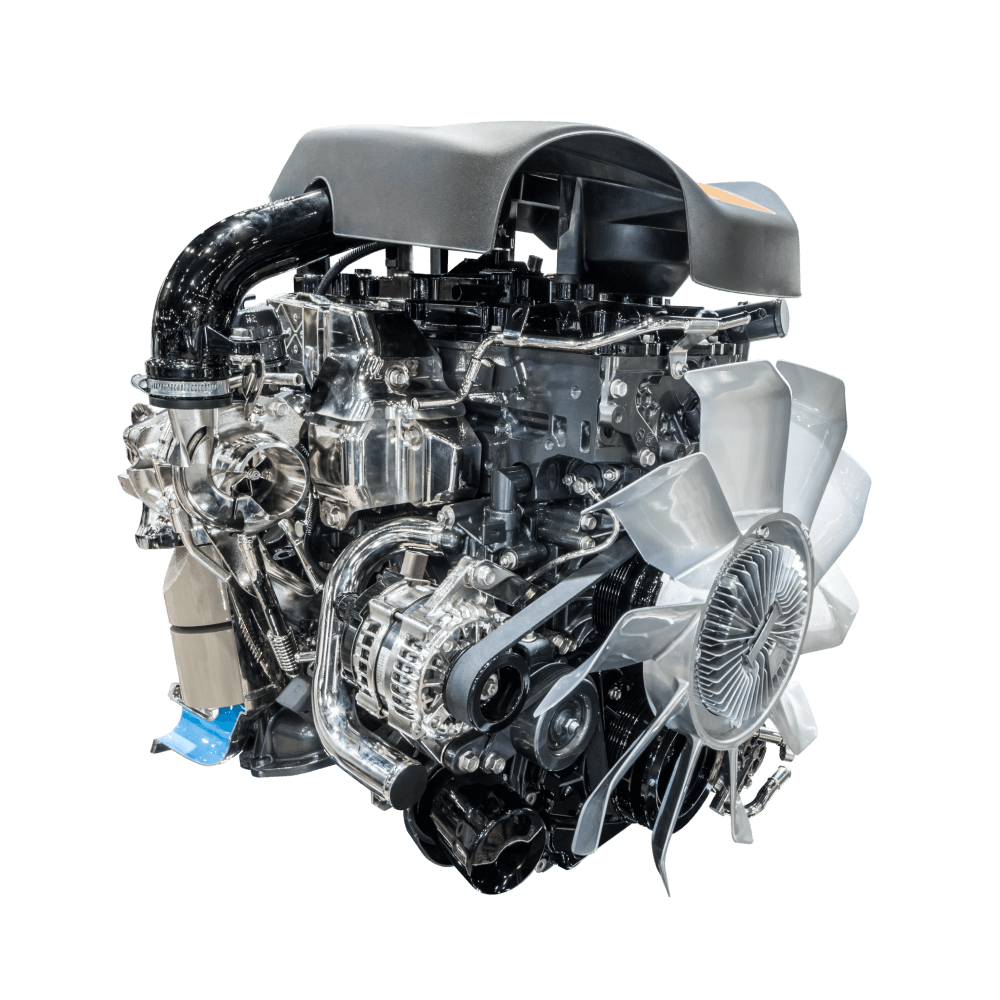
Despite the more recent move of Formula 1 to the use of more sustainable fuels and a hybrid engine, the iconic sound of the V10 engine has led to some people advocating for the use of “a simpler, lighter and more affordable” V10 engine which would run on fully sustainable fuel
However, the inability of electric cars to replicate the engine sound of Formula 1 cars is a key disadvantage in its position in the world of motorsport. Although V12 and V10 engines were used before my time, I remember the V8 engines used up until the switch to V6 hybrid engines in 2014. This makes for drastically quieter races, a key source of complaint at the time.
Indeed, despite the more recent move of Formula 1 to the use of more sustainable fuels and a hybrid engine, the iconic sound of the V10 engine has led to some people advocating for the use of “a simpler, lighter and more affordable” V10 engine which would run on fully sustainable fuel. This compromise would provide fans with the best of both worlds. Regardless, it is clear that the high-pitched whining of Formula E will never compare to the roaring engine noise that is such a key part of Formula 1.
New government regulation concerning electric cars (EVs) is causing confusion regarding the future of electric cars on the road. The government has been advocating for their use, but it has been reported that the Treasury is debating a pay-per-mile tax on EVs from 2028
The first Formula E season took place in 2014, with efficient, but rather slow cars. Now, Formula E acts as a proving ground for electric car technology. However, new government regulation concerning electric cars (EVs) is causing confusion regarding the future of electric cars on the road. The government has been advocating for their use, but it has been reported that the Treasury is debating a pay-per-mile tax on EVs from 2028, ahead of the Budget. This follows Vehicle Excise Duty becoming payable on EVs as of April 2025, the imposition of the ‘luxury car tax’ on cars which meet the criteria, and the new rule that drivers of EVs will have to pay the congestion charge from 2026.
Additionally, Formula 1’s transition to a more electrical focus in the 2026 technical framework has already led to questions about whether Formula E will last long-term. The power output of new Formula 1 engines will be an almost 50/50 split between the internal combustion engine and the MGU-K (a kinetic energy recovery system with the main task of converting kinetic energy into electrical energy), decreasing the V6 output slightly and massively increasingly the MGU-K output.
So, whilst developments in the rapidly evolving and impressive Formula E technology will no doubt result in increases in viewership, Formula E will never surpass Formula 1, especially as Formula 1 continues to increasingly make sustainable and environmentally friendly changes.
Your email address will not be published.
This site uses Akismet to reduce spam. Learn how your comment data is processed.
© 2025 Copyright The Boar. Powered by Tom, Hamish & Aaron.
Related Article