Angel Sergeev is a seasoned automotive journalist with over 15 years of experience covering the automotive industry. Born in Sofia, Bulgaria, he began his writing career in 2010 while pursuing a degree in Transportation Engineering.
His early work included contributions to the local edition of F1 Racing magazine (now GP Racing magazine) and roles at various automotive websites and magazines.
In 2013, Angel joined Motor1.com (formerly WorldCarFans), where he dedicated over a decade to delivering daily news and feature articles. His expertise spans a wide range of topics, including electric vehicles, classic cars, and industry topics. Angel’s commitment to automotive journalism is further demonstrated by his membership in the Bulgarian Car of the Year jury since 2013.
Performance sedans used to feel like the sweet spot. Big power, real comfort, and just enough tech to help without taking over. Then the years rolled on, cars got heavier, screens spread across dashboards like a flu, and steering feel got filtered. And a lot of modern “sport sedans” started to feel like fast appliances that also happen to cost a mortgage payment.
That’s the good news for shoppers. If someone wants a used performance sedan with an old-school vibe, the menu looks stacked. The trick is finding one that brings real speed, real personality, and a price that doesn’t hurt. One unexpected option nails the performance-per-dollar math so hard it feels like cheating. It packs about 500 horsepower, hides in plain sight, and now sells for the kind of money people pay for a new V8 pony car. Or, sometimes, much less.
These sleeper sedans pack a serious punch and won’t drain your wallet.
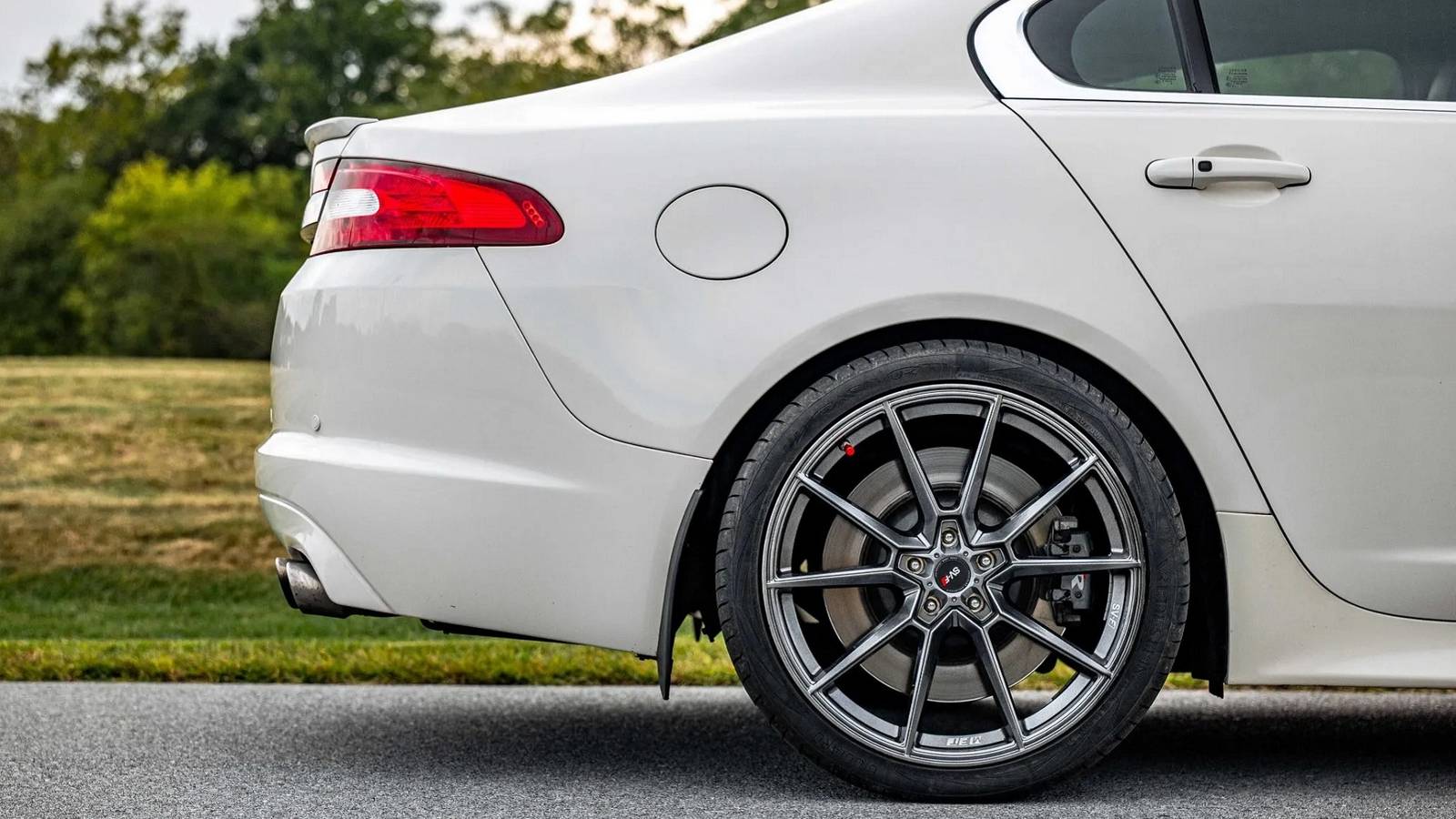
Meet the Jaguar XFR, sold in the U.S. mainly for the 2010–2015 run. It arrived as the muscle-brain version of the XF luxury sedan, with a supercharged 5.0-liter V8 and a mission that sounded simple – run with the big dogs, but do it with British style and a straight face. It didn’t wear giant wings and didn’t shout through neon trim. It just showed up in a nice suit and threw haymakers.
Back then, it aimed its claws at the usual suspects – the BMW M5 Sedan, the Mercedes-Benz E63 AMG, and the Cadillac CTS-V. On paper, the pitch still reads like a dare. Jaguar quoted 510 horsepower and 461 lb-ft of torque, plus a 155-mph limiter and a 0–60 time in the mid-4s. In instrumented testing, it hit 60 mph in the low-to-mid 4-second range and ran the quarter-mile in the 12s. That’s properly fast, even today.
It also played the sleeper card better than most. From 20 feet away, plenty of people read it as “nice Jaguar sedan.” The details stayed subtle – a more aggressive front bumper, quad exhaust tips, big wheels, and just enough badging to whisper, not yell. It’s the kind of car that could sit in the office parking lot all week, then jump onto the on-ramp Friday night and ruin someone’s plans.
Now let’s talk money, because that’s where the story gets fun. A new Mustang GT isn’t cheap anymore – it’s listed with a starting MSRP of around $48,555 for 2026. And that’s before taxes, fees, and the dealer adding a “Market Adjustment” sticker the size of a pizza box. Yikes.
Meanwhile, real-world XFR prices land in used-car bargain territory for the speed you get. Classic.com shows comps for a 2010 XFR in a rough range around $7,633 to $16,093, and it even shows a 44,000-mile example selling for $17,077 in October 2025. A 2012 XFR report shows comps from about $10,000 to $23,531. Call it “low teens to low twenties” for many cars, depending on miles and condition. That’s less than half the cost of a new Mustang GT, and sometimes closer to one-third.
The wild part – these cars cost big money when new. An XFR carried an MSRP of around $82,000 for 2012. By 2015, the sticker sat at around $83,550. So yes, this is one of those rare moments where depreciation works like a cheat code for enthusiasts. Someone else paid the big bill, and the next owner gets the punchline.
Engine
Power
Torque
0-60 MPH
Top Speed
5.0-liter Supercharged V8
510 hp
461 lb/ft
4.3 seconds
155 mph
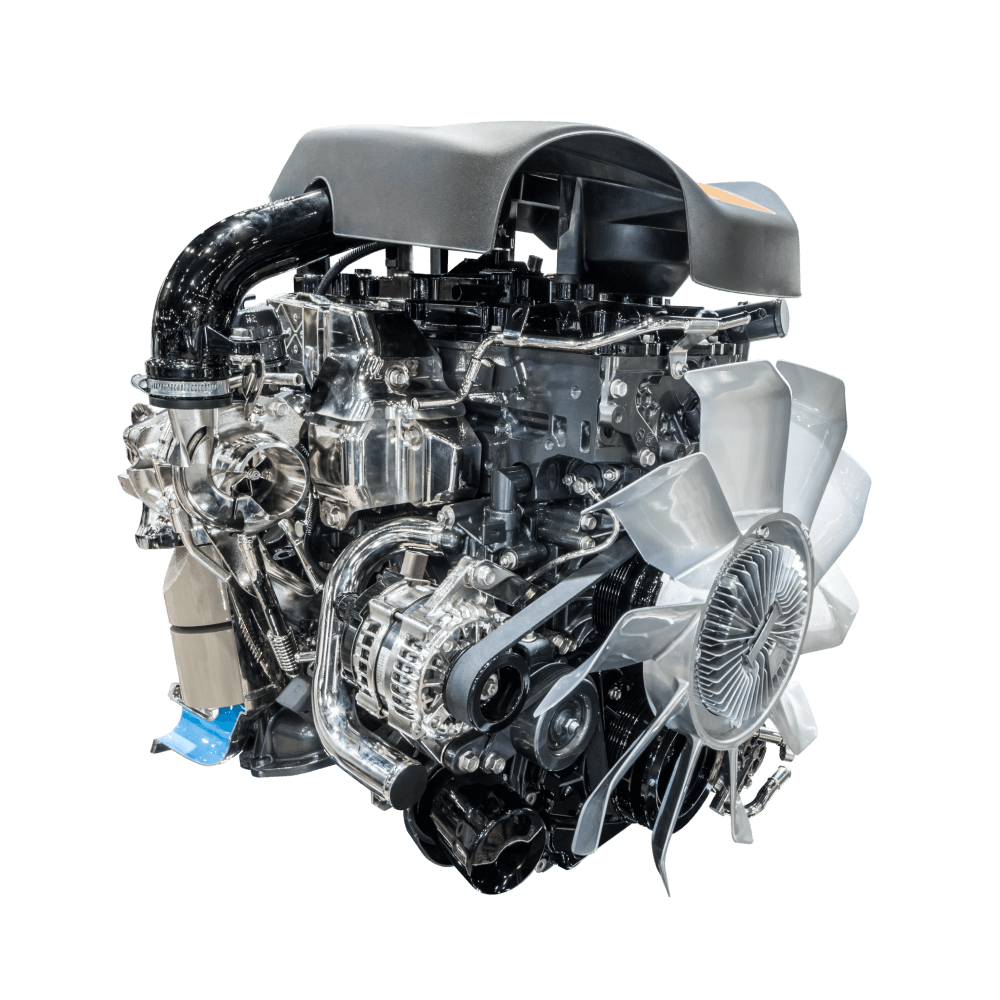
The heart of the XFR is Jaguar’s supercharged 5.0-liter V8. It uses port fuel injection and a blower to make big power without needing sky-high revs. Jaguar rated it at 510 hp and 461 lb-ft, and it sends that grunt to the rear wheels. In real driving, it feels like a strong arm on your shoulder that says, “Go ahead, merge. I dare you.”
The transmission story depends on the model year. Early cars used a 6-speed shiftable automatic, while later cars moved to an 8-speed automatic. The 8-speed helps the car feel more modern without killing the vibe, and keeps the engine in the sweet spot, and calms highway cruising. For us, that’s the better choice between the two options.
There’s one number from the XFR’s specs that hits quite hard – the 0-60 mph time. Car and Driver logged 0–60 mph in about 4.4 seconds and a quarter-mile in 12.7 seconds at 114 mph in one test. Another C/D piece mentioned 4.3 seconds to 60 and 12.7 at 115 mph during early testing. Either way, it runs like a serious performance car, not a soft luxo-barge that happened to drink an energy drink.
The best trick is how it delivers that speed. The XFR doesn’t feel like it tries to impress a stopwatch at every second. It feels calm until the driver leans in, then it shoves hard. That split personality is the whole appeal – it can do school drop-off without drama, then do a 60–100 pull that makes passengers go quiet and suddenly “remember” they left something at home.
A twin-turbo performance sedan that delivers Porsche-like balance with durability that makes long-term ownership far less stressful.
Let’s take a deeper look at the market reality. The XFR sits in a weird spot – it’s not old enough to qualify as a lovable classic to most buyers, but it’s not new enough to feel “safe” to the average used luxury shopper. And it wears a Jaguar badge, which makes some folks clutch their wallets like the car might pickpocket them.
But pricing data shows the upside for brave enthusiasts. Hagerty also shows that these can go in the right venue. One XF R sale result listed by Hagerty landed at $13,483 in December 2022. That number won’t match every XFR, but it matches the bigger pattern: the market doesn’t price these like their performance peers.
So why the cheap tickets? First, Jaguars don’t hold value like the German brands in this segment. Buyers who spend big on used luxury cars often want the “safe” choice. They know what a used M5 is, even if it terrifies their mechanic. A used Jaguar performance sedan confuses them. Confusion kills resale.
Second, the ownership reputation hits hard, even when the reality varies by car. RepairPal puts the average annual repairs and maintenance cost for the Jaguar XF at around $1,066, higher than the average for luxury midsize cars. The XFR sits at the spicy end of the XF family, so shoppers assume the worst. Sometimes they overreact, sometimes they don’t.
Third, some issues show up often enough to scare people off. Jaguar issued a recall for certain 2010 XF models (and XK models) tied to power steering pipes that could corrode and leak fluid. Even if a specific car already had the fix, the headline still lingers in the background when shoppers do a quick search.
Then there are the “Jaguar party tricks,” which owners love until they don’t. That rising rotary gear selector looks cool, but it can fail and stick, which can leave the car stranded and the driver very late. The fix might be simple or might not. Either way, it’s one more reason cautious buyers walk away.
Cooling system complaints also pop up in owner circles, especially around water pumps and coolant crossover parts on 5.0-liter cars. Owners talk about leaks and pump failures often enough that smart shoppers should treat a spotless cooling system as a must-have, not a bonus. Of course, that doesn’t mean every XFR turns into a driveway fountain, but you need to be careful when inspecting one.
Also, keep in mind that the XFR drinks premium fuel. Tires and brakes cost “fast luxury sedan” money, not “used Camry” money. Oil changes usually cost more than a normal car because of oil capacity and shop rates. All of this means you have to be prepared for what you are buying and budget accordingly. If someone buys an XFR because it costs $15,000 and then maintains it like a $15,000 car, the car will teach them a lesson. The lesson won’t feel cheap.
V8 performance sedans don’t all wear the same suit. Some go full track weapon, some lean into luxury, and a few simply chase the most horsepower for the least cash. If the XFR feels like the sneaky choice, it’s not the only one – there are a few other used four-door bruisers that can deliver big shove, rear-drive fun, and grin-worthy noise without demanding new-car money.
Engine
Power
Torque
0-60 MPH
Top Speed
6.2-liter Supercharged V8
556 hp
551 lb/ft
3.9 seconds
191 mph
The CTS-V is the loud friend in this group. It brings a supercharged 6.2-liter V8, a reputation for brutal speed, and a vibe that screams “track day” even when it’s just going to Target. It also offers a more obvious performance identity than the XFR. Nobody mistakes a CTS-V for the regular commute special.
The trade-off comes down to taste and condition. The CTS-V often costs more than the cheapest XFR deals, especially for clean cars. And because so many owners drove them hard (shocking, right?), buyers need to inspect them like they plan to adopt a retired police dog – sweet, fast, and possibly full of surprises.
Engine
Power
Torque
0-60 MPH
Top Speed
6.2-liter V8
518 hp
465 lb/ft
4.0 seconds
155 mph
The E63 AMG brings the classic AMG formula – huge torque, huge presence, and a cabin that feels like a bank vault with heated seats. It’s less “sleeper” than the Jaguar, but it still blends in better than most modern performance cars.
The downside is simple – parts and repairs can get expensive fast, and the market knows the badge. That usually keeps prices higher than the Jaguar for similar condition. Buyers also need to watch for deferred maintenance, because some owners treat these cars like leased rockets and hand them off right before the bill comes due.
Engine
Power
Torque
0-60 MPH
Top Speed
6.4-liter HEMI V8
470 hp
470 lb/ft
4.5 seconds
175 mph
Here’s the budget brawler. The 300 SRT8 delivers big V8 power with a simple, old-school feel and a strong aftermarket. It won’t feel as polished as the Jaguar, but it does feel honest. It’s a muscle sedan, full stop.
The upside is cost and simplicity. The downside is that it lacks the XFR’s stealth wealth charm and its high-speed refinement. Still, for someone who wants a V8 sedan that sounds like Saturday morning and costs like Friday night, it’s hard not to grin.
Source: Jaguar, Chrysler, Mercedes-Benz, Cadillac, Car and Driver, Hagerty, Classic.com
We want to hear from you! Share your opinions in the thread below and remember to keep it respectful.
Your comment has not been saved
This thread is open for discussion.
Be the first to post your thoughts.