What’s your favorite muscle car? There are plenty of great options from the 1960s and early ‘70s to choose from. Top-shelf nameplates like the Ford Mustang, Chevy Camaro, Dodge Charger, and Pontiac GTO are familiar to probably every car enthusiast on the planet. Beyond those vehicles, there’s a wide range of second-tier models that aren’t quite as famous. This includes cars like the Mercury Cyclone, AMC Javelin, Ford Torino GT, and perhaps even the Oldsmobile “Rocket” 88.
Getting even farther into the weeds, there are some American muscle cars that have been largely forgotten. The AMC Rambler Rebel, Dodge Polara and Studebaker Golden Hawk are but a few of these nameplates that folks may not remember. In this group, there’s also a Mopar model that is almost completely forgotten, and this is because staggeringly few examples were built. And that’s a real shame because this car offered 440 big-block power and can be had for less than the price of a new Toyota Corolla.
For the price of a glorified golf cart, these honest-to-goodness old-school V8 muscle cars can bring meaning to your life.
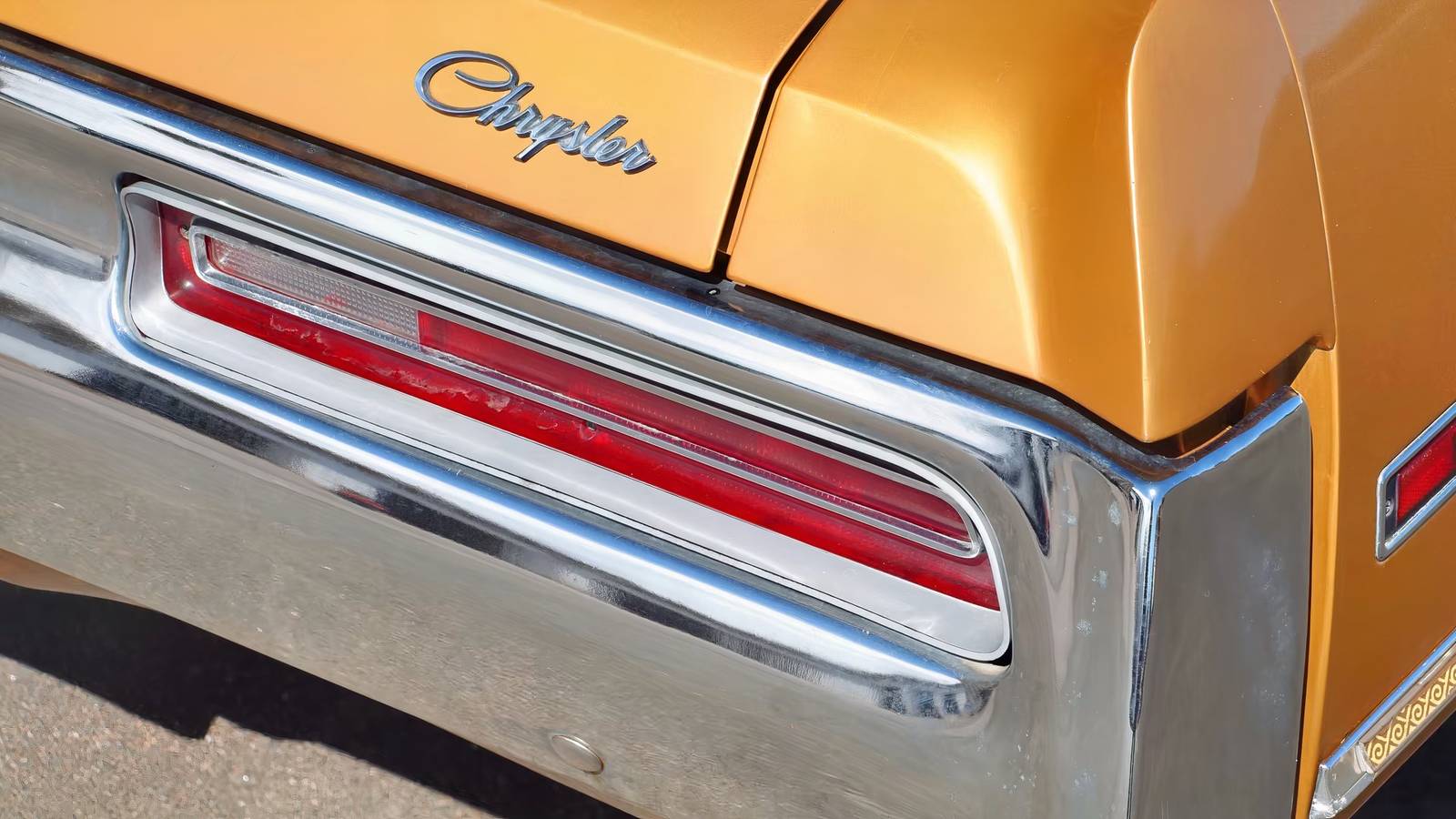
And this mystery Mopar is none other than the Chrysler Cordoba, but not the Cordoba you’re thinking of. Instead of the version that was offered for nearly a decade over two generations, the first version of this car was essentially a fancy trim level. The Newport Cordoba was offered for just one year as an offshoot of the Newport range in 1970.
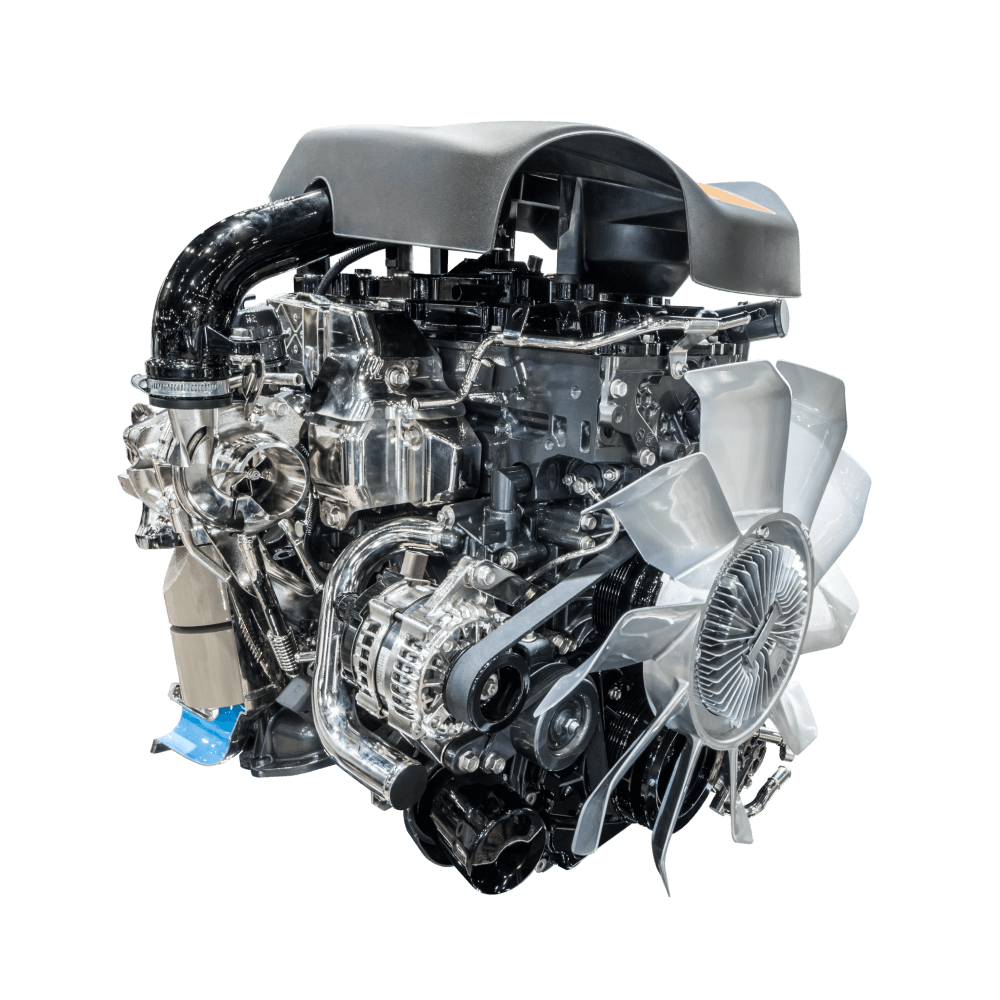
Setting this model apart from the regular Newport lineup, the Cordoba was offered exclusively with big-block giddy-up, either a standard 383 V8 or Chrysler’s famed 440-cubic-inch engine, powerplants that were used to great effect in other much more well-known muscle cars of the period. These V8s are powerful, incredibly tough, and sound amazing, too. However, despite the engines, the Newport Cordoba was more of a full-size luxury-performance car than a traditional muscle car, weighing well over two tons and prioritizing comfort over outright aggression.
An incredibly rare model, it’s nearly impossible to find an example of a 1970 Chrysler Newport Cordoba today; however, other Newports are available, if not quite plentiful. Naturally, pricing depends on myriad factors – overall condition, mileage, features, location, and more – but these cars are quite reasonable. You can grab a good example of this relatively obscure muscle car for less than the price of a new Toyota Corolla sedan.
But again, very few examples of the Newport Cordoba were produced, reportedly fewer than 4,000 examples in 1970, a minuscule amount. According to Hemmings, the production run counted just 1,866 two-door hardtops and 1,873 four-door hardtops, making for a grand total of 3,739. No convertible or sedan versions of the Cordoba were ever produced.
Digging a little deeper into the pricing, 1970 Newports go for anywhere between roughly $8,000 on the low end to around $24,000 for a pristine convertible model. If you happen to find a Cordoba – and that’s a big if these days – expect a decent example to be priced somewhere between those extremes, making this a relative bargain in the muscle car world.
The Newport Cordoba featured big block power as standard equipment. Chrysler’s RB engine family was represented under this vehicle’s hood, with the 383 serving as the base offering. In the Cordoba trim, this powerplant was reportedly good for 290 horsepower and 380 pound-feet of torque. Other Newports were available with a slightly spicier 383 that was rated at 330 hp and 425 lb-ft.
But for motorists who want it all, the mighty Chrysler 440 was optional. When new, this engine should have cranked out 375 horses and 480 pounds of twist, stout figures to be certain. Regardless of engine, however, this car was fitted with a three-speed transmission, either a manual in more basic models or Chrysler’s legendary TorqueFlite automatic, a bulletproof gearbox that served the automaker faithfully for decades.
Chrysler billed its 1970 Newport as premium but approachable. “Luxury cars should be this luxurious and this affordable,” the automaker trumpeted in a sales brochure from the period. This booklet went on to extoll the virtues of Torsion-Quiet ride, the “thickly padded cloth-and-vinyl seating,” the chassis that needed no lubrication before 36,000 miles, and even that 383 V8 engine that happily ran on regular-grade gas.
Naturally, a few styling elements set the Cordoba trim level apart from other Newport models, but perhaps not as many as there should have been. These cars were gussied up with special “Aztec” body moldings and interior trim, an “Espanol” (note the lack of tilde over the n) vinyl roof, and unique gold paint.
Given its paltry production figures, it’s no surprise the Newport Cordoba is largely forgotten. This car will never be as well-known as other muscle cars, even other Mopar models like the Charger, Road Runner, 300, or Duster, but this car is still undeniably cool.
Aside from the Cordoba’s unique trim and accents, the car wears the same clean “Fuselage Styling” of other Chryslers from the period. This generation of Newport looks clean and classy, with smooth, uninterrupted flanks, tastefully integrated bumpers, elegant grilles, and little visual bric-a-brac.
A full-size car, the 1970 Newport rolls on a massive 124-inch wheelbase. The overall length of this land yacht is 224.7 inches or nearly 19 feet! Inside, you get more than 38 inches of headroom in both rows of seats and more than 42 inches of legroom in the back.
This forgotten grocery getter from 1969 packed serious muscle car punch under the woodgrain.
The Newport Cordoba was only offered for one model year, but Chrysler did not jettison this name after the car went out of production. Five years later, the Cordoba was reborn as a standalone model based on the downsized Chrysler B-body platform. This model, which was in production from 1975 until 1979, was 9.4 inches shorter than the Newport-based Cordoba, and its wheelbase was reduced by 9 inches.
Three engines were offered in this car: two versions of Chrysler’s sturdy small block V8 and even a big block, just not the 440. Drivers could get a 318 or 360 in this version of the Cordoba or even a 400-cubic-inch V8.
A second-generation of the Cordoba was also offered by Chrysler, from 1980 to 1983. While still rear-wheel-drive, this car was even smaller than its predecessor, being based on the J-platform. Available engines included the familiar 318 and 360, but the legendary 225 slant-six was the base offering, a powerplant famed for its incredible durability if not spicy performance.
The 1970 Newport Cordoba was produced in such limited numbers that it’s basically a historical footnote, but the first generation of the standalone Cordoba was much more popular, though it remains a bit of a misunderstood car.
This nameplate will never be as well-known as the Mustang, Chevelle, or Challenger. The Cordoba is also probably not as attractive as these other muscle cars, but it’s by no means ugly, and that available 400-cubic-inch big block offers some intriguing performance potential – hell, even the small blocks can be built to deliver staggering performance without too much effort.
The Chrysler Cordoba is kind of a cultural curiosity, both because it’s something of an unknown to a lot of people but also because it’s perhaps most famous for a TV commercial, one starring none other than actor Ricardo Montalbán. Back in the 1970s, he was singing this downsized Chrysler’s praises on TV screens across the nation, extolling the car’s workmanship, thickly padded seats, and, most famously, “soft Corinthian leather.” Continuing, Montalbán says, “I have much more in this small Chrysler than great comfort at a most pleasant price: I have great confidence for which there can be no price.” Seemingly damning the car with faint praise, he signs off at the end of the spot, “In Cordoba, I have what I need.” Shouldn’t a car meet your needs and give you what you want?
Sources: Chrysler, Hemmings.
We want to hear from you! Share your opinions in the thread below and remember to keep it respectful.
Your comment has not been saved
This thread is open for discussion.
Be the first to post your thoughts.