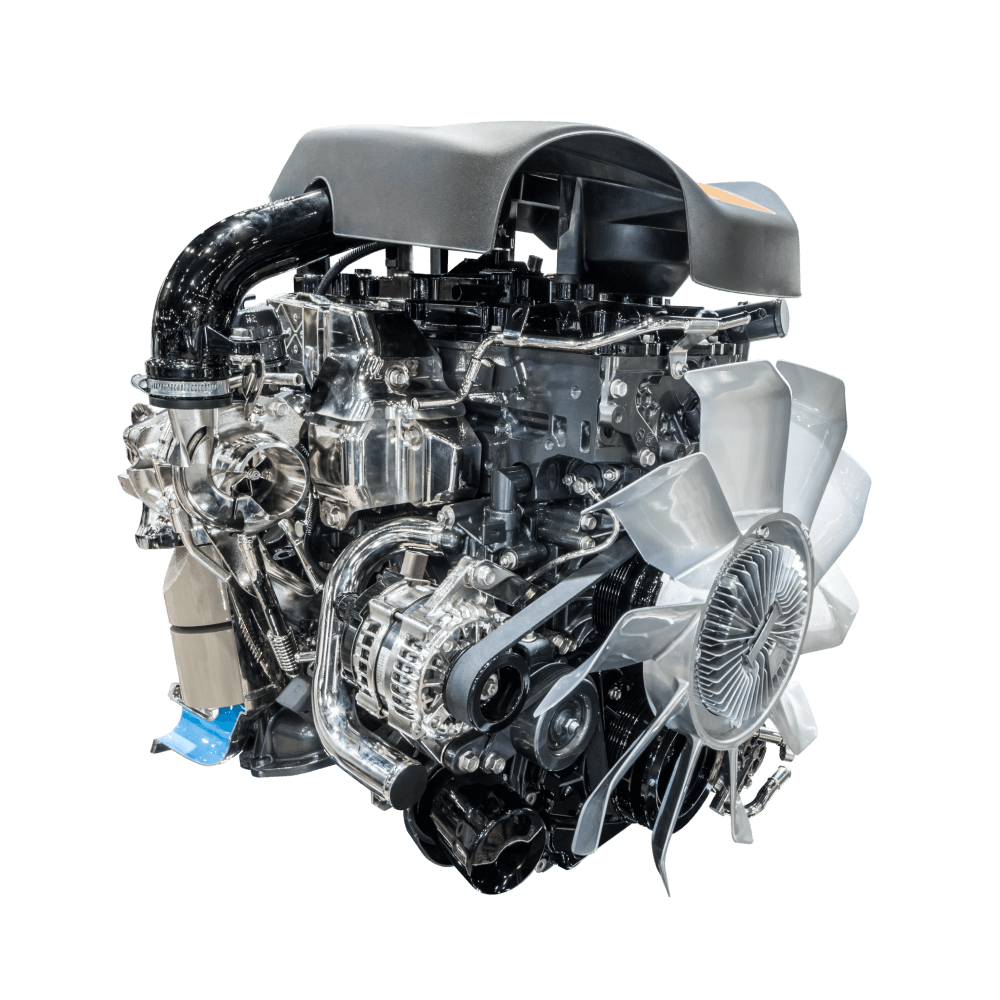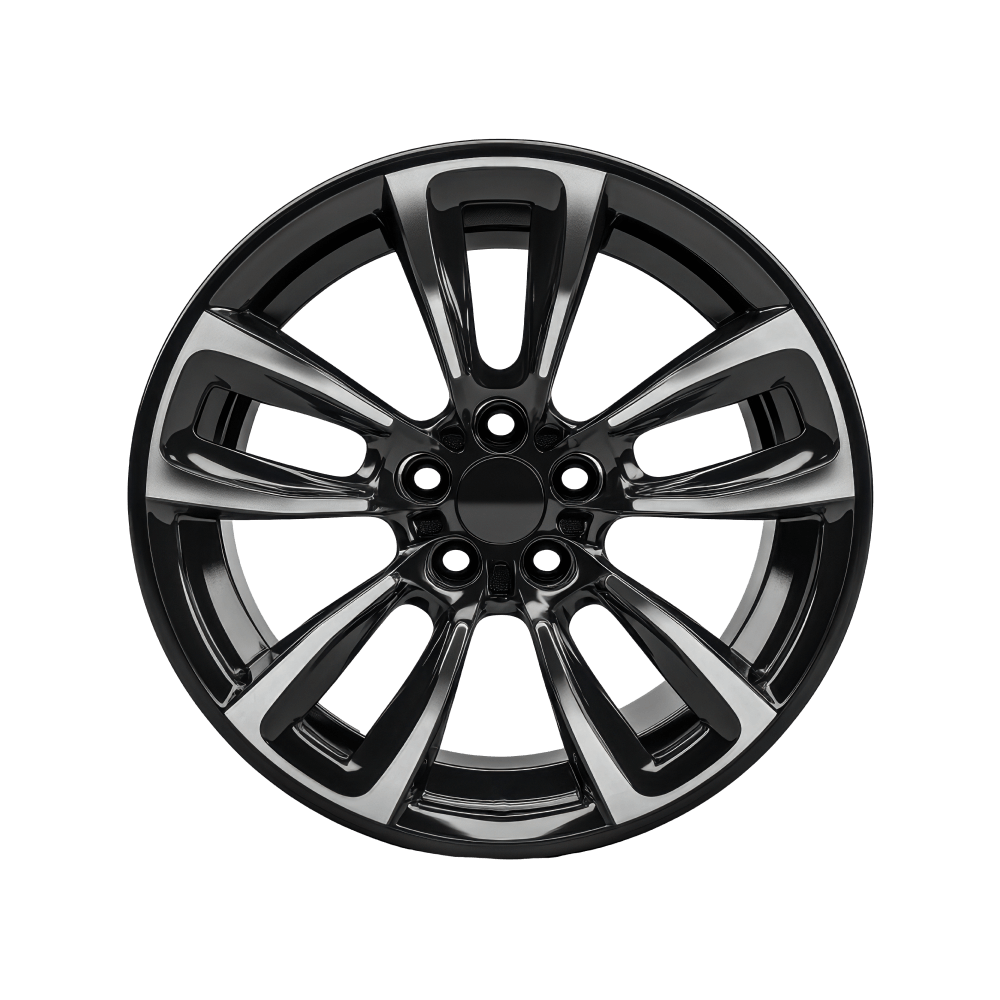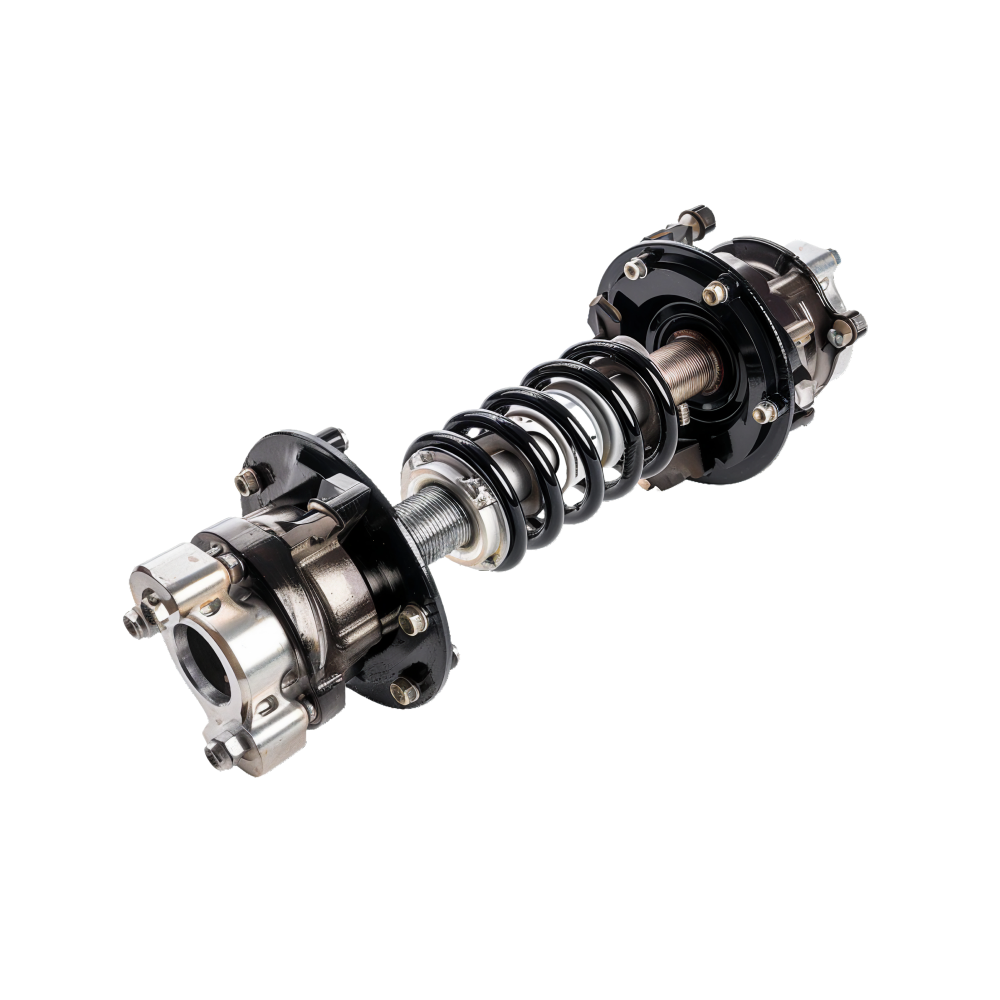

Spare-parts head explains how the automaker’s newly independent Heritage division weighs its options in a low-profit market
You can save this article by registering for free here. Or sign-in if you have an account.
“Every running classic Mercedes-Benz on the streets is proof of the quality of the cars, and that underlies our brand,” primes the spokesperson as he escorts me through Stuttgart to interview Thomas Euchner, head of Mercedes-Benz Classic’s spare parts team. It’s an argument he’s unusually qualified to make: himself the owner of an R129 SL500, a first-generation CLS, and until recently a 190E, the towering Peter Becker is as familiar as many of us in the trials of keeping atop the quirks, inconveniences, and heartbreaks of classic-car ownership.
To hear him tell it though, it seems Becker’s had an easier go of the usual spare-parts headache than most. We settle in and share rare-part war stories as Herr Euchner arrives, as-yet unaware that our scheduled-for-one-hour interview would nearly double its allotted time. Some 13,000 handily transcribed words later, Euchner and Becker detailed to Driving how Mercedes’ newly independent Heritage division starts new production of old parts, who influences their focus and selection, what obstacles bog them down, and why the mothership lets the team take significant losses on certain critical components.
Through it all, the headline talking points — 24-hour international availability of some 160,000 historic parts for 57 model lines spanning 124 years of cars — seem the least stimulating details of the whole ordeal.
Automakers don’t typically concern themselves with much of this old-product faff. Classic cars have already been sold, after all, and only survive in limited numbers among middle-class enthusiast-owner communities without the resources to ping market researchers’ radar. A distraction at best, if not an outright inconvenience.
3.50
out of 5
MSRP $60,450 to $111,500
3.25
out of 5
MSRP $85,400 to $165,400
3.50
out of 5
MSRP $54,500 to $81,800
3.00
out of 5
MSRP $79,500 to $192,600
2.88
out of 5
MSRP $143,600 to $304,500
More recently however, premium marques have recognized the brand value and social cachet classics’ endurance can impart. The classic-Porsche boom of the 2010s, for instance, bolstered Porsche’s visibility on roads and prestige in enthusiast communities. In turn, this reinforced Stuttgart’s modern technological showroom selling points with an ever-important sense of historical continuity, a narrative for prospective clients to desire their own role in. Porsche was the first major outfit to aggressively expand a tangible classic parts and service effort. Instead of leaving people to the inconsistency of independent shops fitting aftermarket parts of unknown quality, Porsche offered a way for anyone with the spend to pull into a regular retailer for a conventional dealer-centred ownership process, with first-party expertise and a supply of OEM parts they could sign off on.
Get your instant cash offer in under 2 minutes.
Elsewhere in Stuttgart, Porsche’s neighbours at Mercedes-Benz took notice. Merc’s old Classic department revitalized its German Mercedes-Benz Classic Centre and M-B U.S.A. relocated its Californian peer to a new-for-2022 facility, each to accommodate expanded restoration, sales, and display efforts. Come 2023, Stuttgart took a step further by establishing the independent ‘Mercedes-Benz Heritage GmbH’ subsidiary.
No longer funded at the mercy of a line in daddy Benz’s marketing budget, this reorganization transformed the classic outfit from a when-we-feel-like-it side project into a dedicated business. The classic team tripled in size to 20, its office atop the company’s two-storey archive of engineering drawings and documents.
With that came a new mandate: according to Thomas Euchner, Heritage’s head of spare parts, “we pretty much changed the strategy 180 degrees, from focusing on blue-chips like the 300SL Gullwing and other high-potential classics, to pretty much every car older than 15 years… So from 1886 until 2010, we are responsible for the spare-part supply.”
Custodians of concours fodder then, but now also with a broader sense of brand, an embrace of ‘youngtimer’ modern classics built this side of Y2K, and a daunting mountain of market research.
Before diving into how Merc identifies which parts to resurrect and how it goes about it, it’s worth appreciating what a challenge part inventories are even at the best of times.
Automakers are obliged to support any car they sell with a full catalogue of service and replacement parts for a decade after manufacture. This means calculating probable failure or damage-replacement demand for each model year’s every individual bit — perhaps more than 20,000 per vehicle, all wicked in from hundreds or even thousands of individual suppliers.
This comes easier for some parts than others. Basic bits like grommets may serve across lines and for several generations, given little need to reinvent the wiper; others are generation-specific but reasonably estimable toward the end of a run based on order history and how many VINs are still on the road, tallied by how many are still rolling into shops for maintenance with OEM parts.
Incremental updates to advancing technologies in the latest models make this tougher, though. Year-over-year changes to highlights like LED lighting might mean maintaining several part numbers within a single product line — expensive line items at that.
The accountabilities aren’t just to consumers: most parts and modules are farmed out to arms-length subsidiaries and third-party suppliers, who wait with tapping feet for word on what’s left to run before they can re-tool their lines and machines for the next high-volume order. Once wrapped, these original equipment manufacturers (OEMs) typically haven’t the space nor business interest in storing older tooling, let alone in the engineered configurations of the stamps, forges, and injectors that enabled them to fit those moulds and tools in the first place. Automakers have to keep OEMs in the loop, and they have to know when to release them.
Past that obligatory decade, neither an automaker nor its suppliers have much incentive to wrest the headache of tracking, ordering, and warehousing a century’s worth of inventories — let alone tooling, or even blueprints.
To illustrate, Euchner raises the R107 SL of 1971-1989, a car whose designers deferred to the outside expertise of engineers at a radiator supplier the brand has used for a century. Engineering materials retrieved from the M-B archive thus specified performance, packaging, and connection points, but because its actual design between these was left to the supplier, no original blueprints were on hand. The supplier having long since lost or discarded the drawings for this obsolete unit, Benz had to reverse-engineer an original unit to blueprint a limited run of roughly 1,000 pieces — just enough to spread the cost of the undertaking, but certainly not enough to pass them on for cheap. Still, it seems a worthwhile enough project that Heritage is now readying a run of radiators for W108/W109s like the 6.3-litre ‘banker’s hot rod’ pictured and driven here.
When planners can count on producing tens or hundreds of thousands of a new vehicle, economies of scale effectively offset the cost of each part’s manufacture engineering, tooling, production, and logistics. And indeed, some more ubiquitous classics (think standard-issue midlife-crisis Detroit chromers) sustain reasonably affordable full-line aftermarkets eager to cash in. To produce limited numbers for more niche vehicles, however, Heritage recognizes that costs must be calculated differently. Not every part can hope to make money, so it falls to Heritage as an independent team to balance its portfolio according to different priorities.
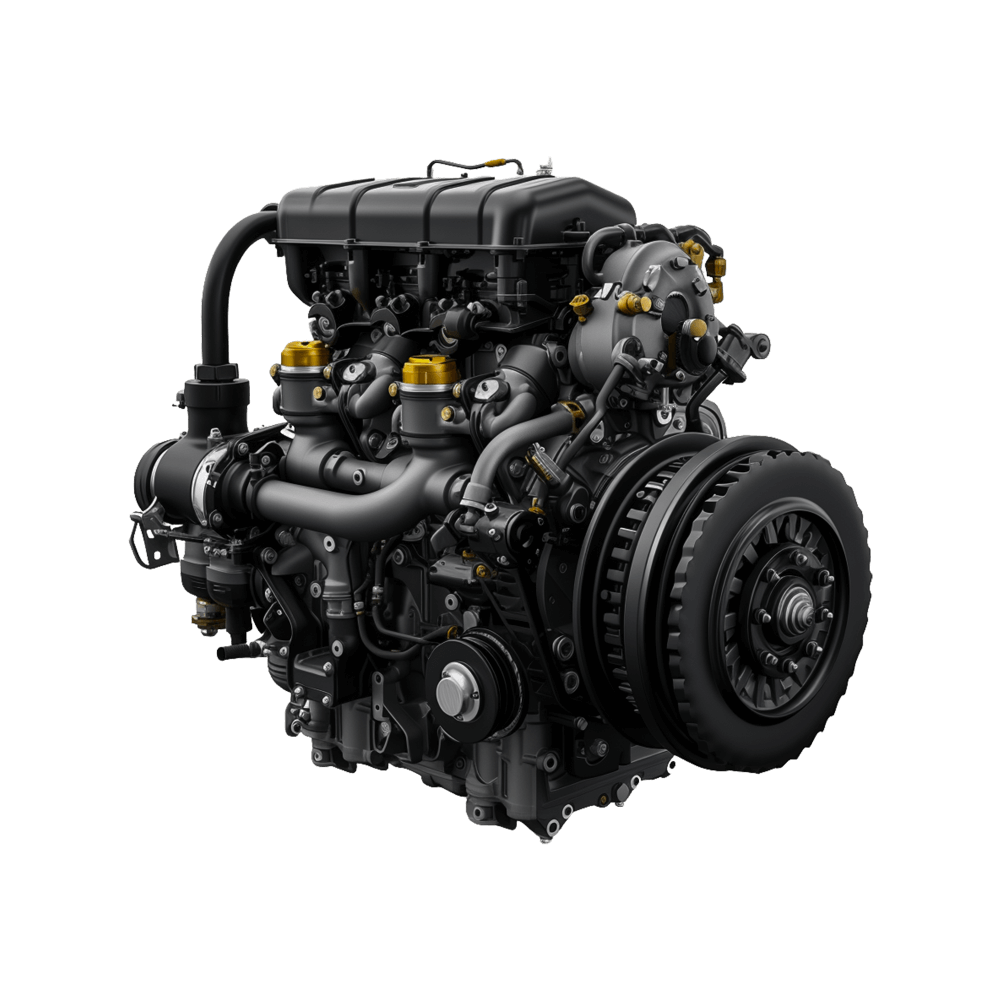
Narrowing focus across 124 years and so many products each demanding so many bits is an enormous task, so Heritage is not looking to spread itself thin or worry about complete inventory. Instead, the strategy is to triage models and their respective parts based on production and estimated survivor numbers, community-expert consultation, present and historical demand data, aftermarket quality and availability, market feasibility, and whether examples are typically driven frequently or only once per year. Depending on the car then, anything from suspension links to engine-management computers might be considered, while desirable but non-essential projects like cosmetic trim can be left for later or reserved for already well-served models.
Identifying interest draws on a few data-points, including demand through the last 15 years or until the end of original inventory. But whereas Porsche tracks dealer search queries as one flag for potential demand, Euchner clarifies that Mercedes doesn’t calculate from this, because one customer might call several retailers in search of available stock.
Some parts are easy calls, such as a trio of configurable sensors that together consolidated and resurrected roughly 80 part numbers for various models. Heritage returned these sensors to production as adaptable kits with instructions for a technician to adapt to fit the peculiarities of any one of their respective models.
Particularly in the case of more modern classics, acknowledgement that a check-engine light can fail an older car’s annual E.U. inspection and doom it to sit has put particular attention on vehicle electronics. The R230 SL (2002-2011)’s ECU (conveniently shared with the SLR McLaren) has been reproduced, for instance, and Heritage has also worked with Bosch to refurbish old-stock or used ECUs for other models.
In Germany, Mercedes looks to 20-odd officially recognized brand clubs, many of them model-specific and rich in technical expertise. Farther afield, Euchner says that the team has engaged with some 80 total clubs, including Mercedes-Benz Club Canada, our one ‘official’ brand club.
Euchner explains that “We told them: you can give us a wish list, but it’s not to wish all you want. So prioritize the top 10, 15, maybe 20 parts, depending on the model, give us that list — like really high level — and then we’ll talk about reproduction.”
Listening to clubs also means acknowledging when efforts might be better spent elsewhere, as in consultation with the German W123 (1975-1986) group and a request for window cranks. In the case of this part, Euchner explains that “it used to cost nine euros, just the plastic handle. Now we talk to the supplier, it’s €150. Then there are different colours. So if it’s the most common, like black and brown, would [they] find it okay to pay €50 for each? We wouldn’t earn any money, so it’s a zero business case. It’s just like, we’d offer it.
“And then they said clearly, ‘let’s skip this, we’ll go to the scrap yard or the used market on eBay and just rebuild one from those.’ So we skipped it, but we include [the clubs], not for each part, but just to make some decisions more transparent.”
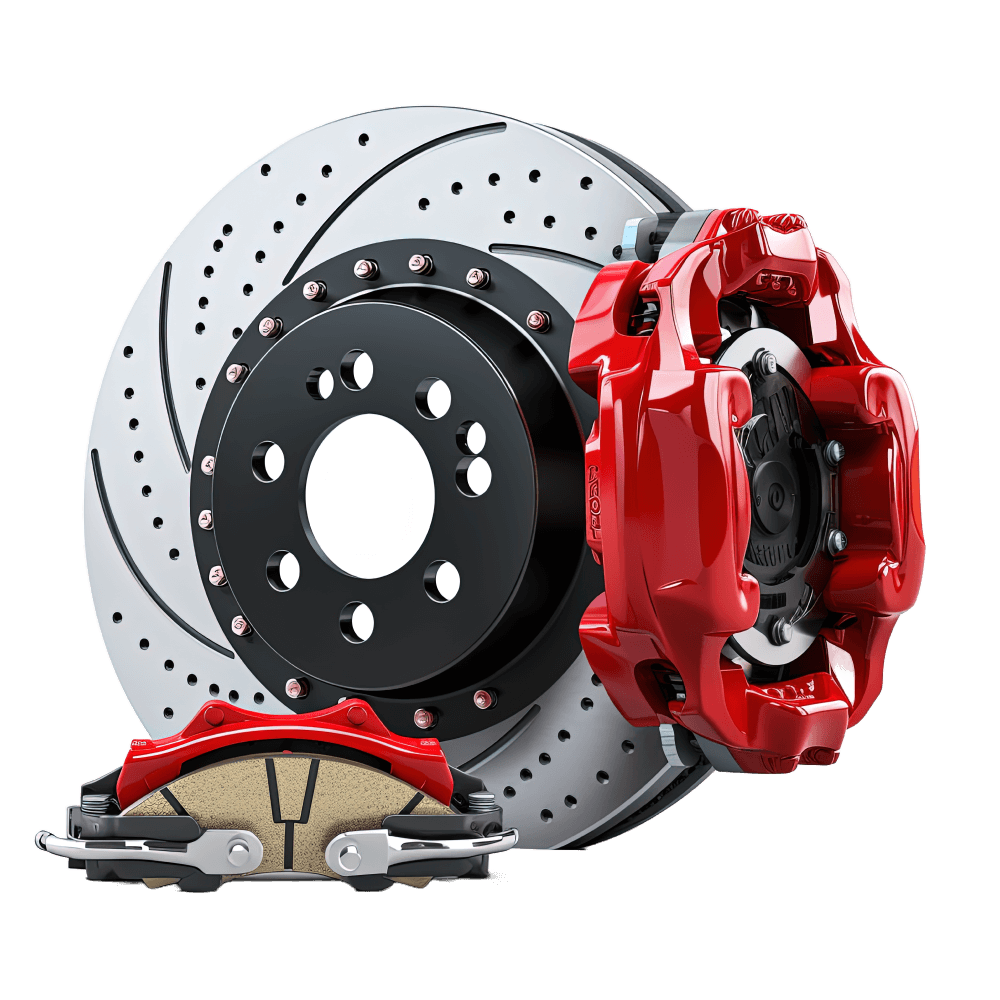
Euchner’s team may also decide when to invest effort in a part depending on the existing aftermarket. “We don’t have brake discs for the SL 500 in supply… We asked our original supplier to bring it back, [but] because you have to do everything again, you have to retool, to test and certify, this would be an investment of €100,000.”
Though a relatively recent and popular vehicle, Heritage doubted it would sell more than a few thousand units to its owners. Between investment and production costs across such a limited economy of scale, “we would have asked for €500 per disc without any margin, zero margin. And at the same time, a pretty okay [German] supplier is offering it for €90… If [that] product is good, it’s not a market we have to go into. It’s necessary to focus our resources elsewhere, where the need is bigger.”
Longer-term, Euchner suggests that Heritage even intends to work some of these into the team’s web shop due to launch within the next one to two years. Euchner says this “will have an extended portfolio of parts which we do not have in the supply, which we cannot offer [as a] 100% Mercedes-Benz fit, but maybe 85% Mercedes-Benz fit? We’ll say okay, that’s the best thing you can have with our warranty, our experts checked it, and you can use it. But that’s the future picture.”
That so many aftermarket parts are satisfactory for integration into the Mercedes Classic ecosystem should be as much a relief to owners as to the Heritage team. Aftermarket parts remain inconsistent, however — at times so dangerously that Mercedes has intervened and resurrected safe alternatives themselves.
Euchner recounts a trade show several years ago, where staff found aftermarket reproduction wheels for the 300 SL Gullwing: “We bought one of those parts and brought it to R&D… It completely destroyed the test bench. Because the quality was so bad, we made a decision… to bring back those rims to offer a very secure, safe part to the customers. Because it wasn’t acceptable.”
Reading the subtext rather frankly, a certain set of old tires showed what high-visibility chaos a tragedy can bring back to Stuttgart — substandard parts or maintenance or not. Compound the Gullwing’s iconic profile with the harsh treatment some 300 SLs still regularly enjoy in historic racing events, and this response counts out quite logically. Brand promotion is all plenty well, but maintaining legacy and image also means protecting against liabilities.
Liability can also take the form of grounded or needlessly condemned vehicles, each one fewer brand ambassador for other drivers to witness. “We are the only ones who [can produce keys]. So it’s [essential for drivability], and if you don’t offer it to the customer, that vehicle is just scrap.”
Though little trouble for the oldies with basic tumblers and barrels, the immobilizers and anti-theft technologies of the ‘90s and oughts introduced more complexity than just their portable circuits’ secure digital handshakes. Still, why are keys so expensive that Mercedes would see fit to subsidize them?
Think about what computer you were using in 1995, 2000, even 2010. Remember how big they were, or how programs would stop working after system updates, even though you had to update to continue running other programs? Or how evolving processor designs wouldn’t run x64 or x86 software, a headache still faced today when upgrading to new-generation Macs?
Now imagine the generations of specialized systems used to build and service cars back then, and the realities of maintaining them well past hardware or software relevance. Hackers, slackers, code crackers… chillin’ at Hewlett-Packard; it’s all about the Pentiums, baby. Where standard production machinery might be retooled to make new runs of plastic or metal parts, period software protocols and security won’t accept just any analogue.
Maintaining so many generations of digital infrastructure for such infrequent but critical use is inordinately costly and labour-intensive. For this reason, Euchner explains that
“If you were to give the price directly to the customers and ask for, €1,000 (~CAD$1,600) for an electronic key with new antitheft and so on, it wouldn’t be okay. So we ask for the original price and subsidize it with money from other parts we earn money from.”
This casts a new appreciation for some of the apparent frivolities in the catalogue. Heritage introduced a ski rack for the 300SL Roadster at Retromobile 2024, for instance, capitalizing on the frenzied trend of accessorizing classics with period accoutrements. In a similarly non-critical vein, Mercedes-Benz Classic offers ‘data cards’ to owners willing to trade ~$200 for their car’s original build data. Such non-critical products illustrate how different priorities can offset one another, and in service of plenty more than just keys.
Sticking to a part’s original design and manufacturer is always preferred, Euchner says. Still, variations are sometimes required, such as substituting toxic materials like old brakes’ asbestos linings. He also reassures that while Heritage has access to R&D and engineering teams as needed, most ‘trouble’ component designs were revised or corrected over the course of original production.
But despite direct connections to vendors with deep, historic relationships, Heritage still has to convince a vendor to open valuable manufacturing capacity for small runs. Taking the example of rubber engine seals for more recent E-Classes, Euchner breaks down how a vendor that might’ve run two million rubber engine seals when a given E-Class was originally produced must be pitched on running perhaps just 5,000 over the next five years — this still setting aside the process of tooling, certification, and the limited shelf life of rubbers before they decay and must be discarded.
Given that so many components from Bosch, Mahle, et al. were minor variations of core designs, one might hope that the experience of consolidating those 80 adaptable sensors might lend to cooperation between manufacturers. Euchner explains that it’s been considered, for “in the classic area, we’re not competitors, so to say.”
But as ever, the ghost of Dieselgate rears to frustrate.
Additional scrutiny and industry arbeitsgruppen [working groups] in the wake of the Volkswagen emissions scandal have steered manufacturers wary of any whiff of antitrust. While direct coordination with competitors is largely taboo, some coordination through suppliers remains possible.
“You always have to be quite aware of antitrust regulation, but then if a part is needed, like ABS sensors which were built in their vehicle as well as our vehicles, of course there is an exchange. But [any exchange is] through the supplier. So we talk to Bosch; Bosch knows there is demand from Mercedes, [so if there is] other demand from Zuffenhausen [Porsche]… Let’s combine it and make [a larger batch]. And then [there is no] trouble with antitrust, because after the scandal, of course, everyone is quite sensitive regarding that.”
Looking toward inheritance of care for this generation’s high-performance models, the team also anticipates competition for exotic materials. Asked about future considerations for the current M177 V8 used in many of the AMG 63 (and Aston Martin) models, Euchner highlights that “they have a lot of magnesium parts. And now we have a different focus from some suppliers [which now use those materials] for defence [contracts], for example.”
Still beyond scale is how or whether legacy vendors still exist. Particularly for the collector and concours crowds, these brand marks can be enormously important — but Mercedes can only fulfill that if a company or its successors are willing to produce or licence their name. Asked about VDO, for instance, the gauge and instrument manufacturer seen throughout generations of Mercedes products, Euchner acknowledges one such example of this uncertainty: VDO is now owned by Continental Tire, which seems to be winding down its part-sector businesses and prioritizing tire production.
Similarly, dashboard staple Becker has changed ownership three times in recent years. The current incarnation of the brand offers a generic line of classic-styled radios, but Mercedes wanted its own — a request probably not of much interest under current parent Samsung.
That Heritage has navigated so many of these considerations through these initial years sounds affirmation that the suits downtown recognize and respect its uniqueness as a business. Though still clearly expected to turn enough profit to justify itself, Heritage’s mandate clearly won’t deliver anywhere near the tangible yields of Merc’s new-vehicle operations. Instead, Heritage is another (and indeed impressively committed) industry acknowledgement of the intangible brand and protection value in supporting past models.
Embracing a new generation’s interest in the more accessible ‘youngtimer’ market is a refreshing and practical engagement with the future of the hobby. Better still, by consulting the clubs and communities steeped in their models’ challenge and condition, and in the humility of acknowledging the value of some unofficial alternatives to build out a richer service infrastructure, Mercedes-Benz’s new Heritage office evinces a refreshingly grounded approach to classic support.
That understood, the realities of such a broad mandate mean Heritage can still only ever hope to fill a small cross-section of enthusiast demand. And though some items like keys might be subsidized by others’ indulgences, nobody ought anticipate bargain or charity prices. Resurrecting old parts to first-party standards and spec is an enormously expensive proposition even before competition for scarce materials or industrial capacity. Heritage is unlikely to find much relief as it targets palatable costs with such high investment for such low volumes.
For all its costs, challenges, and reality checks, investment in and autonomy of these efforts is a rare bit of good business for automakers that’s simultaneously encouraging for hobbyists. As modern vehicles feel increasingly alienating to purists, Porsche, Mercedes-Benz, Toyota, and now Honda are lifting tides with recommitment across different classes and disciplines within classic motoring. Desirable classics’ halo effect is strong, and we can only hope that this upswing in manufacturer engagement continues to spread.
Author’s note: This unusually long story is the product of a double-time interview spanning 90 minutes and a transcript of some 13,000 words. If you’ve made it this far because you find this topic as fascinating as I do, I appreciate your company nerding out through to the end.
No impact on your credit score
Elle Alder is a staff editor and automotive journalist at National Post Driving. Educated in History, Alder’s resume spans international archival research, skilled trades, humanitarian organization, photography and videography, freelance feature and script writing, on-camera presentation, copy editing, and editorial content planning and assignment.
Online Editor, Driving.ca
Trained researcher and writer
Bylines at National Post Driving, Donut Media, Autostrada Magazine, Porsche Provinz Magazine, and in syndication to newspapers across Canada
10+ years of experience as a working photographer
H.BA, History — Wilfrid Laurier University
Educated in History, Alder’s resume spans international archival research, skilled trades, humanitarian organization, photography and videography, freelance writing, copy editing, and editorial content planning and assignment.
Having picked up a camera as a distraction from oft-gloomy subject matter in university, Alder’s combination of photo skills and writing ability caught the attention of Canadian automotive publishers. Starting with classic-car special-interest stories and galleries in Porsche Provinz, Autostrada, and Hagerty Driver’s Club magazines, Alder later went on to photograph high-profile galleries for Driving before being hired as a staff editor. Elle Alder has also researched and written scripts for Donut Media productions, and has earned awards in Environmental Journalism, Feature Writing, and Photography from the Automobile Journalists Association of Canada.
As a full-time automotive journalist, Elle Alder’s professional scope has broadened from the romance of classic motoring into both modern consumer vehicles and high-performance supercars, and to their on-camera presentation for video audiences. Alder also contributes as a videographer for other Driving reviewers, and has found mentorship to continue to expand on all of these skills.
Off-hours, Elle Alder drives and maintains a small collection of classic vehicles including a 1983 Porsche 944, 1997 Lada Niva, 1983 AMC Eagle wagon, 1959 Citroen ID 19, 1952 Tucker Sno-Cat, and a 1971 Massey-Ferguson Ski Whiz. Further hobbies include film development, fountain-pen and typewriter restoration, vinyl and cassette mixing, and model railroading.
Elle Alder earned an Honours BA in History from Wilfrid Laurier University, with focuses on Soviet industrial planning and the modern Middle East. Between coursework, Alder worked as a Research Assistant both for faculty members and under third-party contract.
While a student, Alder also co-founded the University’s International Students Overcoming War (ISOW) scholarship fund. Funded through an administration-matched student levy, this initiative partners with NGOs in regions of conflict to offer full scholarships to students whose studies have been impacted by war. ISOW remains a student-managed program more than a decade on, and has continued to grow its staff, budgets, and student rosters.
Email: ealder@postmedia.com
LinkedIn: www.linkedin.com/in/ellealder
Instagram: www.instagram.com/analogmotoring
Postmedia is committed to maintaining a lively but civil forum for discussion. Please keep comments relevant and respectful. Comments may take up to an hour to appear on the site. You will receive an email if there is a reply to your comment, an update to a thread you follow or if a user you follow comments. Visit our Community Guidelines for more information.
365 Bloor Street East, Toronto, Ontario, M4W 3L4
© 2025 Driving, a division of Postmedia Network Inc. All rights reserved. Unauthorized distribution, transmission or republication strictly prohibited.
This website uses cookies to personalize your content (including ads), and allows us to analyze our traffic. Read more about cookies here. By continuing to use our site, you agree to our Terms of Use and Privacy Policy.
Edit your picks to remove vehicles if you want to add different ones.
You can only add up to 5 vehicles to your picks.
You can manage your saved articles in your account and clicking the X located at the bottom right of the article.
You can manage your saved articles in your account and clicking the X located at the bottom right of the article.