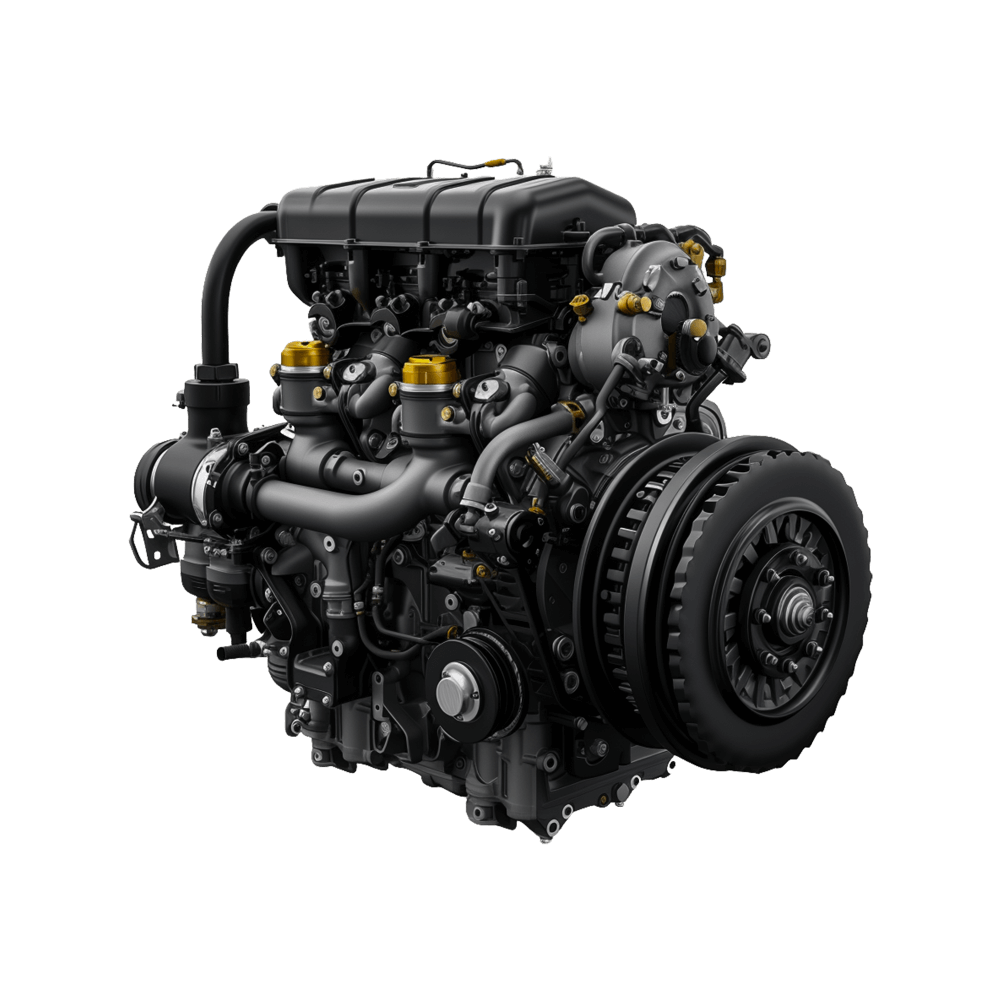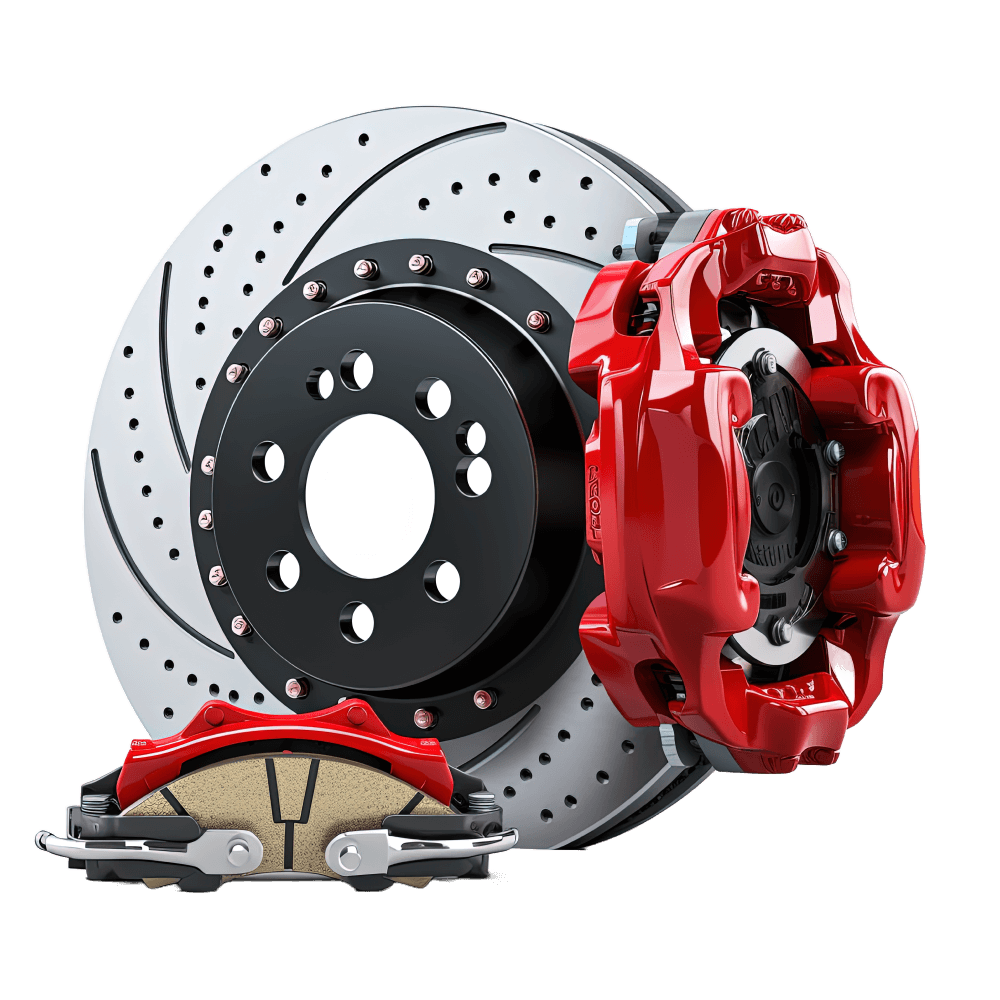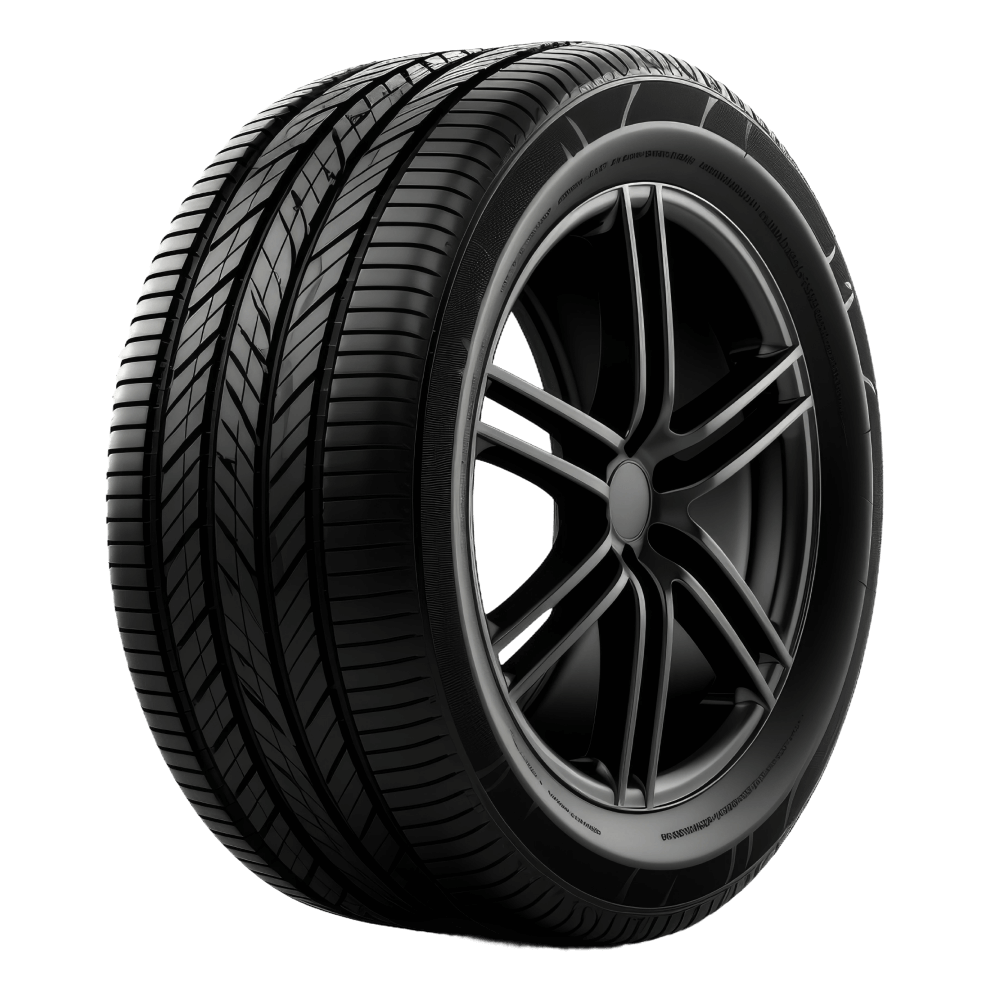
Like auto racing or not, you’ve likely benefited from decades of advancements that made their way from the track to your garage.
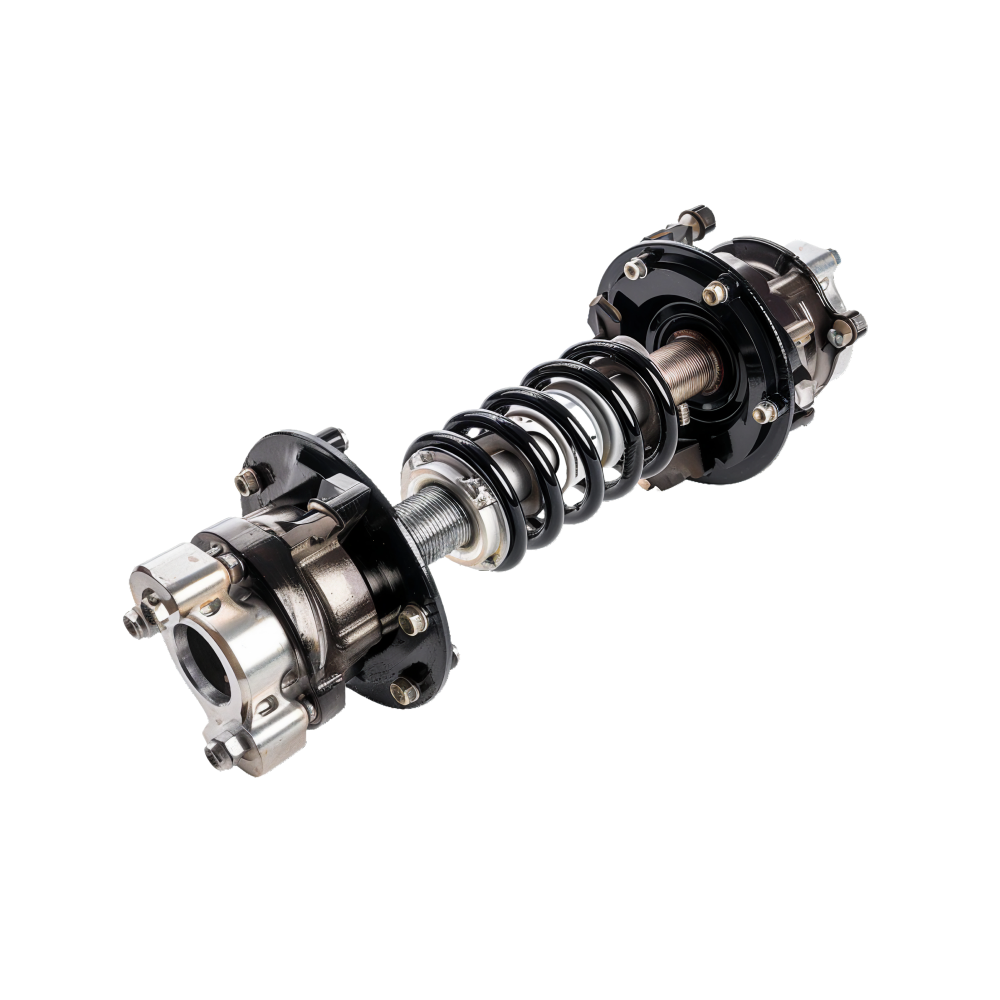
Fuel efficiency, tire life, hydraulics, suspension, safety and good ol’ fashioned horsepower. That’s just a sliver of automotive necessities field-tested on the speedways before working their way to the Buicks, VWs and F-150s on the roads.
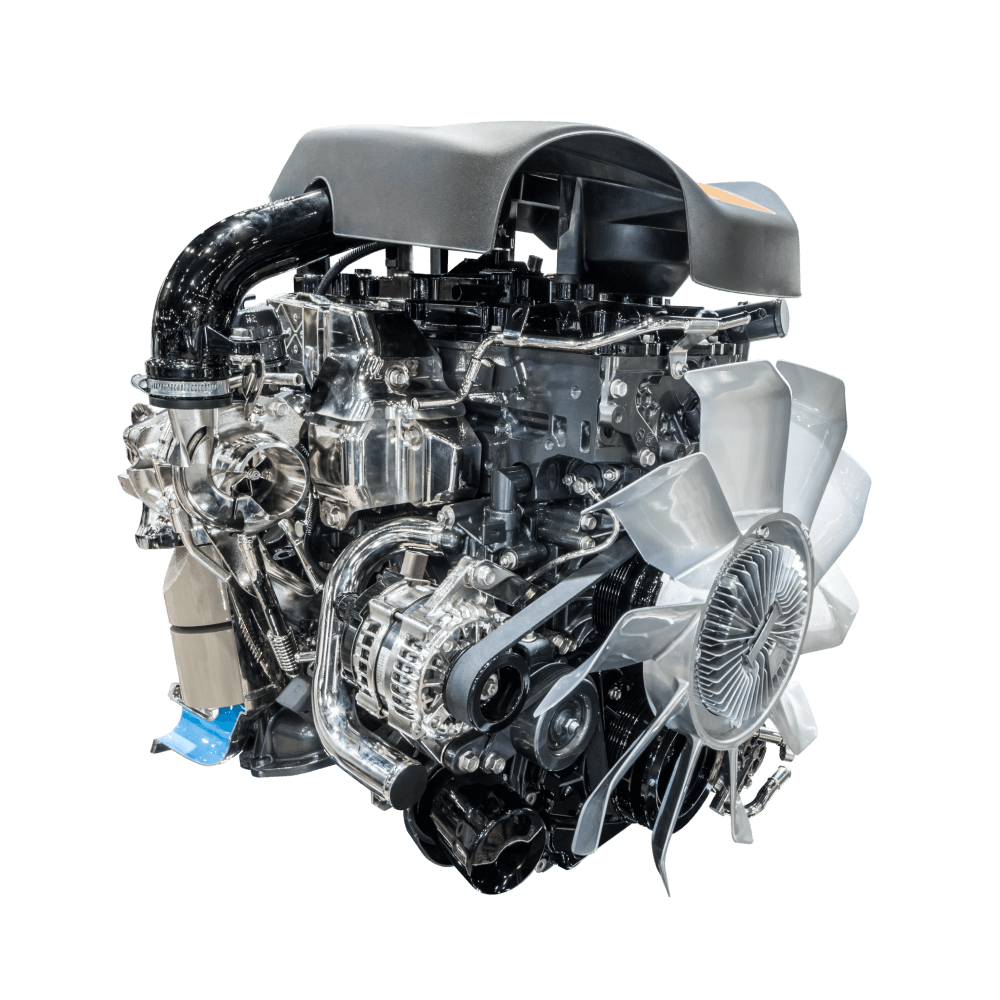
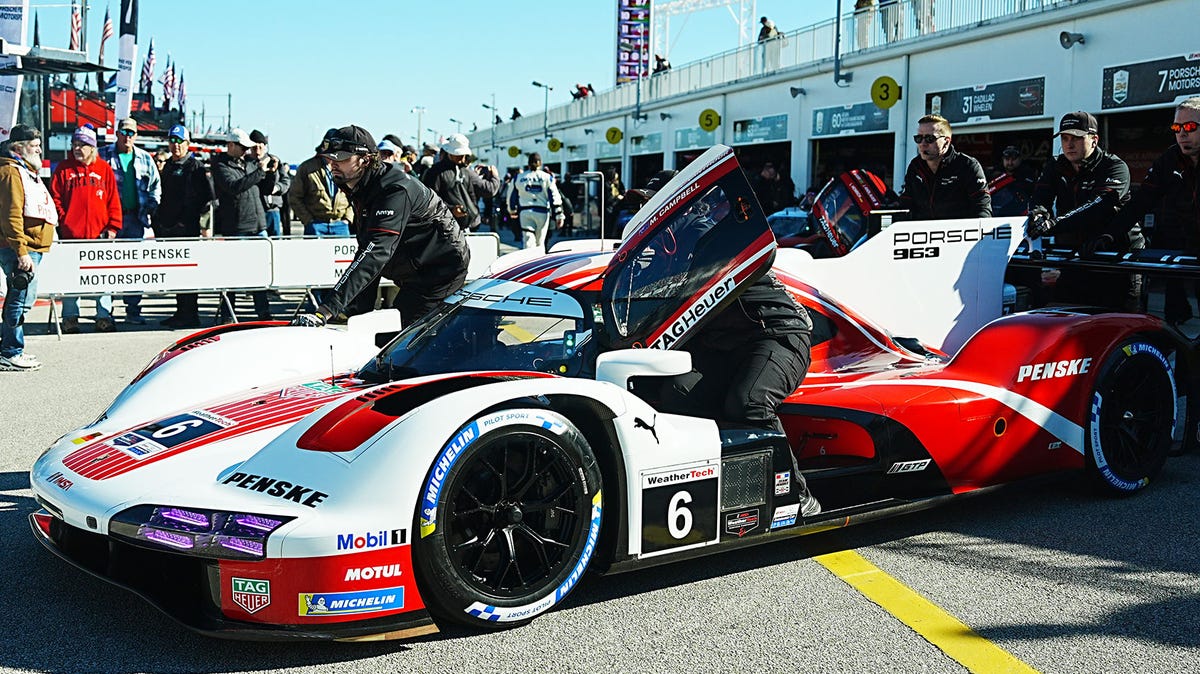
So you have to assume this high-tech and high-end hybrid technology, a big part of the recipe in IMSA’s marquee prototype class, will eventually improve the hybrid technology gaining momentum in today’s automotive climate.
Well, yeah, but it’s not as automatic as it was in grandpa’s day.
“The hybrid system here is a spec system. We’re not allowed to modify it,” says Thomas Laudenbach, a Porsche Penske Motorsports VP and longtime engineer who’s spent much of his life tuning powertrains.
In older times, with more latitude in the rulebooks, mechanics and their cohorts had a bigger playground than today, when a variety of restrictions exist in the name of cost containment.
“In the past, we had more freedom in racing,” Laudenbach says. “And don’t get me wrong, I’m not one to say bring the old times back. Today, with the restrictions, we also need it for cost control. So the technical freedom has become less …
“But it still applies.”
In the GTP class, hybrid power is harvested as it is regularly on the streets — through braking — and then stored in a battery. The GTP teams can use that power to fill in gaps caused by turbo lag, but it also can add boost on the top end to help with passing, while serving as main source of power on the pit lane.
Lessons learned on race day will still pay benefits to your future grocery runs or interstate travels, but it’s not an “A-to-B” transfer, the engineer says.
“Functionalities, a lot of software, a lot of calibration work .. how you handle it, you can learn a lot, and that you can transfer,” Laudenbach says. “We still have the freedom in racing to try things, always within the framework of the rules.
“Racing is about going to the edge and probably a little bit further. And also, the tools we use to develop. Sometimes in racing, we use new tools to develop something, and if it works out, we sit together with our road-car colleagues and then they take over.”
Unlike the differences you can easily eyeball or utilize if comparing today’s new vehicle to, say, a 2010 model, modern advances are often buried in a motherboard.
“I wouldn’t say the transfer is less than in the past, but it’s less obvious, because it’s more hidden in the software,” Laudenbach says. “I’m a mechanical engineer. I love to touch parts, but you cannot with software. It’s not very likely that something in the spec system will find its way to a road car, but everything we learn with that system will.”
Bottom line: Yes, your driving experience still benefits from gains made in competitive driving.
“Yes, 100%,” Laudenbach says.
And as it’s been with generations of serious manufacturers, that’s not simply happenstance.
“I can tell you one thing, and I can only talk for Porsche,” Laudenbach says. “If we do factory racing, which does cost money, there has to be a contribution to the brand.
“It has to make a contribution to the technology and be beneficial to the road car. Or we would not do it. We would not race.”
Related Article