
The biggest car news and reviews, no BS
Our free daily newsletter sends the stories that really matter directly to you, every weekday.
Terms of Service & Privacy Policy.
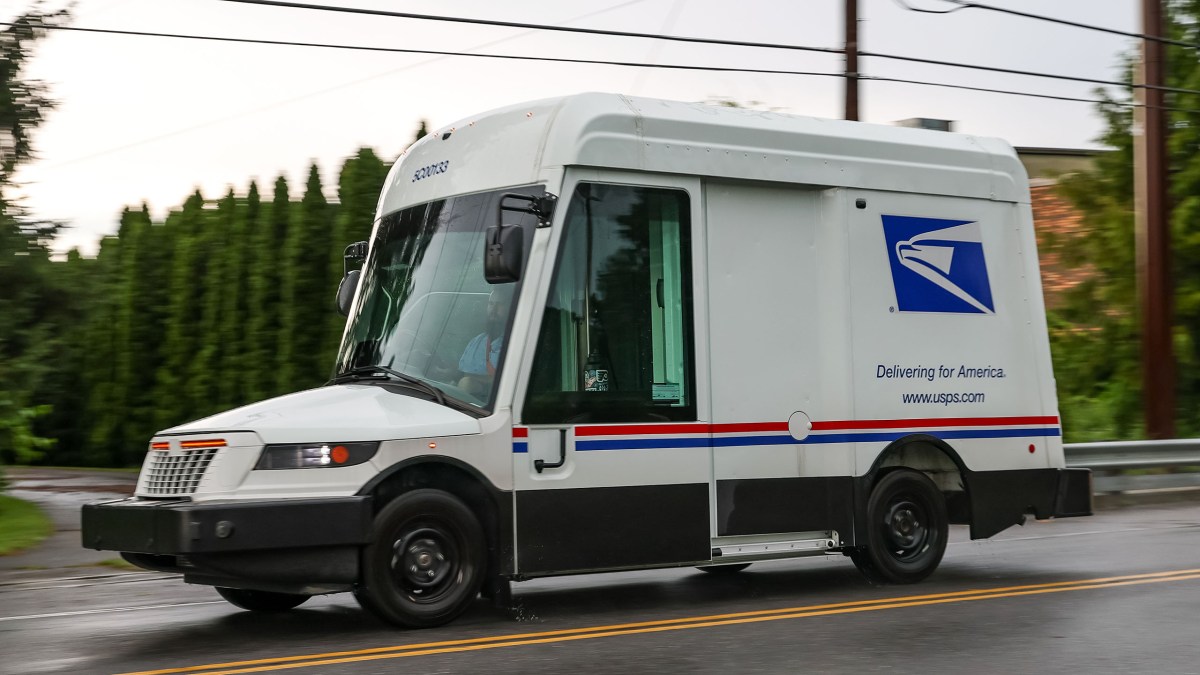
With Thanksgiving in the rearview, we’re now firmly entrenched in the season of online shopping. It’s easily the busiest time of the year for the United States Postal Service, but this go around, mail carriers will at least have a new resource at their disposal. Oshkosh’s Next Gen Delivery Vehicles are in the full swing of manufacturing, comprising some of the 24,000 new vehicles that USPS says it’s deployed on roads in time for the holidays this year. Ultimately, the agency is scheduled to receive more than 106,000 vans over the next few years, with 66,000 of them being fully electric.
As of today, USPS has likely added 9,000 to 10,000 all-electric NGDVs to its fleet in 2025. The Postal Service is aiming for a roughly 30/70 split between gas- and battery-powered vans. The idea is that the smaller contingent of ICE-equipped vehicles will serve more difficult routes where an EV wouldn’t be ideal due to range limitations or harsh climates.
However it’s propelled, the NGDV was clearly designed to address blind spots of the old Grumman Long Life Vehicles—beyond their physical blind spots. The LLVs may have been small, but they were difficult to see out of. They also lacked air conditioning, which appears to rank as the most eagerly anticipated new feature among carriers. “I promise you, it felt like heaven blowing in my face,” one USPS employee told the Associated Press last year after working in an air-conditioned truck.
Friend of The Drive John Voelcker recently sampled a prototype NGDV for Car and Driver, giving us a rare look from the wheel of America’s postal future. He found the NGDV easy to maneuver despite its relative size, noting its predictable power delivery and smooth regenerative braking. I was surprised to learn that the electric NGDVs don’t behave like consumer EVs, which are typically intended to be driven primarily with the accelerator pedal alone. The brake pedal is still required to stop the van, and it doesn’t creep at idle.
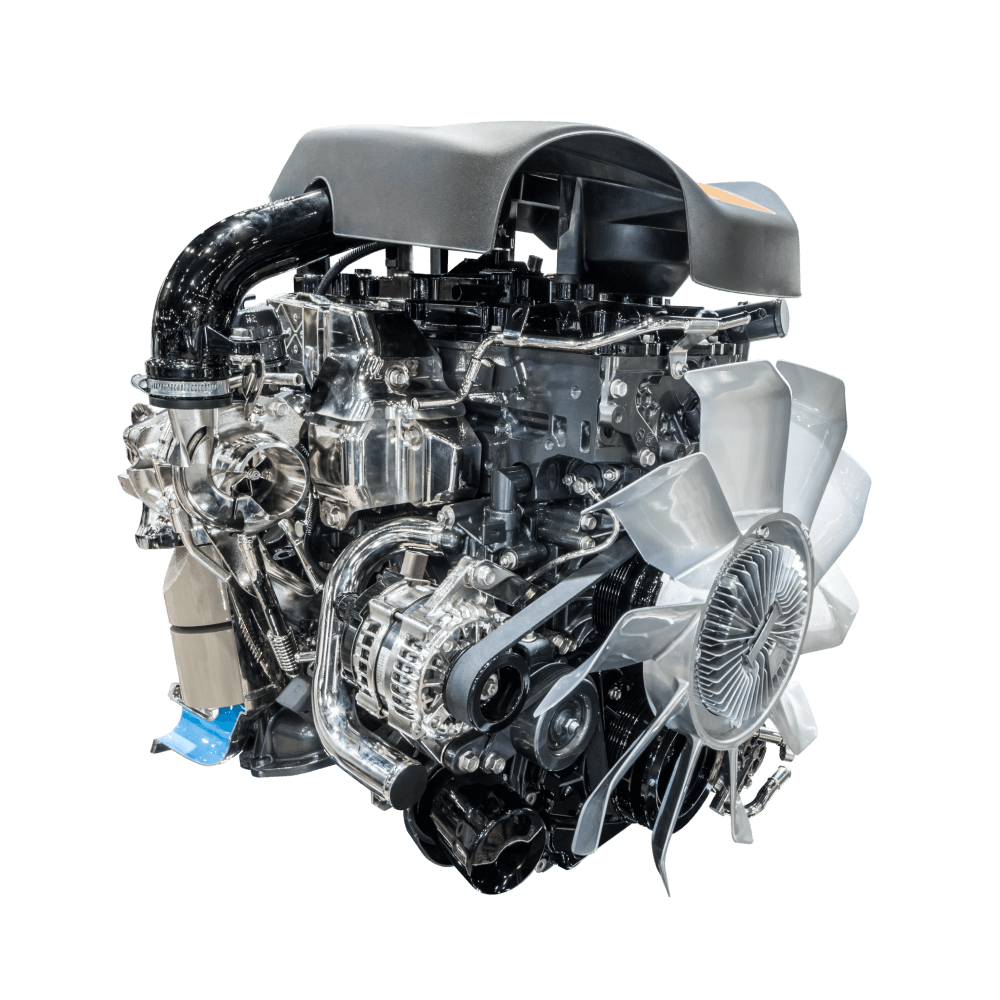
So, don’t be surprised if you see one of these delivering your neighborhood’s many packages over the next four weeks—and also, don’t be surprised if you can’t tell what’s powering it. Whether equipped with a Ford 2.0-liter engine or 94-kilowatt-hour battery pack, all NGDVs share about 90 percent of parts and look more or less identical from the outside.
Got a news tip? Let us know at tips@thedrive.com
Backed by a decade of covering cars and consumer tech, Adam Ismail is a Senior Editor at The Drive, focused on curating and producing the site’s slate of daily stories.
Our free daily newsletter sends the stories that really matter directly to you, every weekday.
By signing up you agree to our Terms of Service and Privacy Policy.
© 2025 Recurrent Ventures. All Rights Reserved.
Articles may contain affiliate links which enable us to share in the revenue of any purchases made.
Some benefits of our Car Shopping program may not be available in your area. Please see terms for details.
Do Not Sell or Share My Personal Information.
Related Article




Very informative read. Bookmarking this for later reference..