In summary
New budget language lays out how Gov. Gavin Newsom plans to structure a $200 million electric vehicle rebate program, including price caps, automaker matching funds and a focus on first-time buyers.
Welcome to CalMatters, the only nonprofit newsroom devoted solely to covering issues that affect all Californians. Sign up for WhatMatters to receive the latest news and commentary on the most important issues in the Golden State.
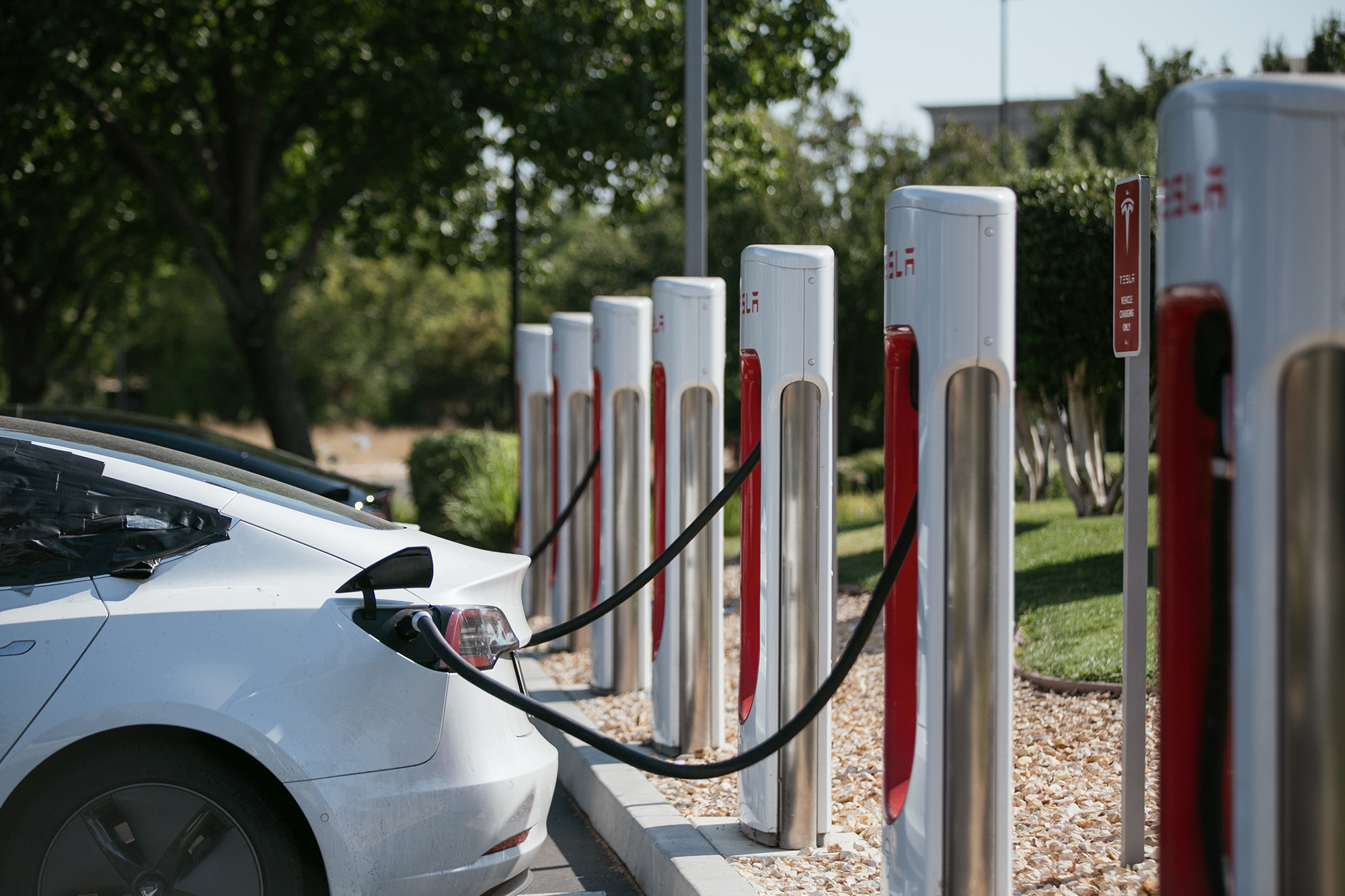
Californians could get instant rebates on electric vehicle purchases under Gov. Gavin Newsom’s $200 million plan, which would require automakers to match state incentives dollar-for-dollar.
The plan, which the Legislature must still approve, lays out for the first time how the governor plans to steer a California-specific rebate program to bolster a slowing electric car market after the Trump administration cancelled federal incentives last year.
The California Air Resources Board would oversee the program, offering rebates at the point of sale to lower upfront costs for buyers instead of reimbursing them later. The draft does not specify rebate amounts, which the air board will determine during program design and discuss at a public workshop this spring, said Lindsay Buckley, a spokesperson for the agency.
The proposal exempts the program from the state’s usual rule-making requirements, allowing California to design and launch the rebates more quickly than typical for new programs.
Newsom first unveiled the incentive proposal as part of his January budget plan but released few initial details. State officials cast the subsidy as a response to President Donald Trump’s dismantling of incentives and blocking of California’s clean-vehicle mandate.
Outside experts and clean vehicle advocates said the details raise new questions about how the program would work in practice and who would benefit.
Ethan Elkind, a climate law expert at UC Berkeley, said structuring the incentives as grants allows the state to set the terms automakers must meet to access the money, giving California leverage over manufacturers.
But Mars Wu, a senior program manager with the Greenlining Institute, which advocates for investments in communities of color, said the draft plans fall short on equity, arguing the proposal does little to ensure the incentives reach the Californians who need them most.
“[The] proposal sets up a first-come, first-serve free-for-all scenario, which is not a prudent use of extremely limited public dollars in a deficit year,” she wrote in an email.
The proposal limits eligibility by vehicle price, not buyer income. New passenger cars qualify only if priced at or below $55,000, while vans, SUVs and pickup trucks are capped at $80,000. Used vehicles are limited to a sales price of $25,000. All vehicles must be registered to California residents.
The newly released details also add context about the size of the program. A CalMatters estimate of the governor’s initial proposal found that the $200 million would cover rebates for only about 20% of last year’s electric vehicle sales.
The proposed matching funds from auto manufacturers could allow the program to cover a larger share of buyers or provide larger point-of-sale rebates, depending on how the incentives are structured.
One clean car advocate said the details aren’t locked in yet — including how the rebates could be targeted. Wu said the state could move quickly without abandoning equity by deciding who qualifies in advance while still offering rebates at the dealership. “There is a way to balance equity and expediency,” Wu wrote.
Read more from CalMatters
Text
Get breaking news on your phone.
Download
Keep up with the latest via our app.
Sign up
Receive free updates in your inbox.
We’re CalMatters, your nonprofit and nonpartisan news guide.
Our journalists are here to empower you and our mission continues to be essential.
But we can’t keep doing this without support from readers like you.
Please give what you can today. Every gift helps.
Alejandro Lazo writes about the impacts of climate change and air pollution and California’s policies to tackle them. He’s written about the state's groundbreaking electric vehicle mandate, the oil… More by Alejandro Lazo
We love that you want to share our stories with your readers. Hundreds of publications republish our work on a regular basis.
All of the articles at CalMatters are available to republish for free, under the following conditions:
If you’d like to regularly republish our stories, we have some other options available. Contact us at republish@calmatters.org if you’re interested.
Have other questions or special requests? Or do you have a great story to share about the impact of one of our stories on your audience? We’d love to hear from you. Contact us at republish@calmatters.org.
info@calmatters.org
membership@calmatters.org
source
New budget language lays out how Gov. Gavin Newsom plans to structure a $200 million electric vehicle rebate program, including price caps, automaker matching funds and a focus on first-time buyers.
Welcome to CalMatters, the only nonprofit newsroom devoted solely to covering issues that affect all Californians. Sign up for WhatMatters to receive the latest news and commentary on the most important issues in the Golden State.
Californians could get instant rebates on electric vehicle purchases under Gov. Gavin Newsom’s $200 million plan, which would require automakers to match state incentives dollar-for-dollar.
The plan, which the Legislature must still approve, lays out for the first time how the governor plans to steer a California-specific rebate program to bolster a slowing electric car market after the Trump administration cancelled federal incentives last year.
The California Air Resources Board would oversee the program, offering rebates at the point of sale to lower upfront costs for buyers instead of reimbursing them later. The draft does not specify rebate amounts, which the air board will determine during program design and discuss at a public workshop this spring, said Lindsay Buckley, a spokesperson for the agency.
The proposal exempts the program from the state’s usual rule-making requirements, allowing California to design and launch the rebates more quickly than typical for new programs.
Newsom first unveiled the incentive proposal as part of his January budget plan but released few initial details. State officials cast the subsidy as a response to President Donald Trump’s dismantling of incentives and blocking of California’s clean-vehicle mandate.
Outside experts and clean vehicle advocates said the details raise new questions about how the program would work in practice and who would benefit.
Ethan Elkind, a climate law expert at UC Berkeley, said structuring the incentives as grants allows the state to set the terms automakers must meet to access the money, giving California leverage over manufacturers.
But Mars Wu, a senior program manager with the Greenlining Institute, which advocates for investments in communities of color, said the draft plans fall short on equity, arguing the proposal does little to ensure the incentives reach the Californians who need them most.
“[The] proposal sets up a first-come, first-serve free-for-all scenario, which is not a prudent use of extremely limited public dollars in a deficit year,” she wrote in an email.
The proposal limits eligibility by vehicle price, not buyer income. New passenger cars qualify only if priced at or below $55,000, while vans, SUVs and pickup trucks are capped at $80,000. Used vehicles are limited to a sales price of $25,000. All vehicles must be registered to California residents.
The newly released details also add context about the size of the program. A CalMatters estimate of the governor’s initial proposal found that the $200 million would cover rebates for only about 20% of last year’s electric vehicle sales.
The proposed matching funds from auto manufacturers could allow the program to cover a larger share of buyers or provide larger point-of-sale rebates, depending on how the incentives are structured.
One clean car advocate said the details aren’t locked in yet — including how the rebates could be targeted. Wu said the state could move quickly without abandoning equity by deciding who qualifies in advance while still offering rebates at the dealership. “There is a way to balance equity and expediency,” Wu wrote.
Read more from CalMatters
Text
Get breaking news on your phone.
Download
Keep up with the latest via our app.
Sign up
Receive free updates in your inbox.
We’re CalMatters, your nonprofit and nonpartisan news guide.
Our journalists are here to empower you and our mission continues to be essential.
But we can’t keep doing this without support from readers like you.
Please give what you can today. Every gift helps.
Alejandro Lazo writes about the impacts of climate change and air pollution and California’s policies to tackle them. He’s written about the state's groundbreaking electric vehicle mandate, the oil… More by Alejandro Lazo
We love that you want to share our stories with your readers. Hundreds of publications republish our work on a regular basis.
All of the articles at CalMatters are available to republish for free, under the following conditions:
If you’d like to regularly republish our stories, we have some other options available. Contact us at republish@calmatters.org if you’re interested.
Have other questions or special requests? Or do you have a great story to share about the impact of one of our stories on your audience? We’d love to hear from you. Contact us at republish@calmatters.org.
info@calmatters.org
membership@calmatters.org
source